
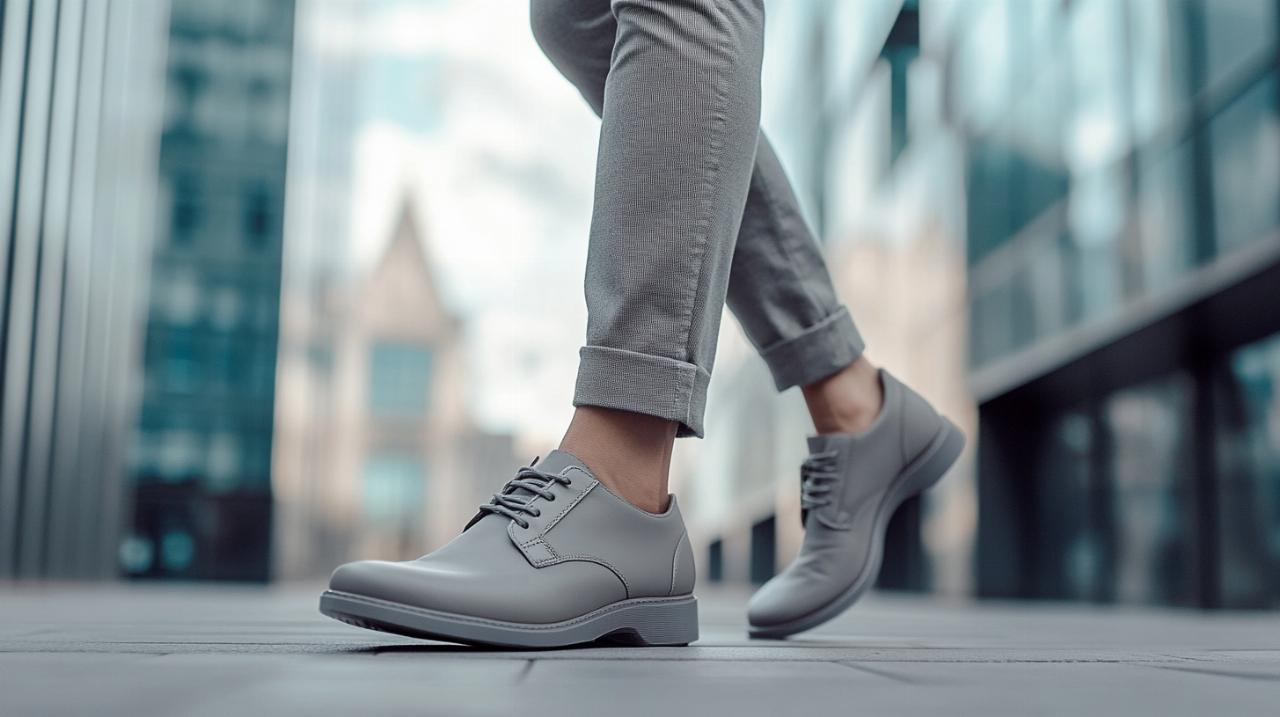
Grey footwear has emerged as a cornerstone of modern wardrobes, bridging the gap between casual comfort and refined elegance. This neutral tone offers a unique advantage, allowing individuals to experiment with a variety of colour palettes and styles without the rigidity often associated with traditional black or brown options. Whether stepping into a professional meeting or enjoying a relaxed weekend gathering, understanding the nuances of grey shoes can elevate any ensemble with effortless sophistication.
Understanding grey footwear: versatility meets sophistication
Grey shoes possess an inherent adaptability that makes them suitable for a wide range of occasions and outfits. Unlike stark black, which can sometimes feel overly formal, or brown, which leans towards traditional warmth, grey occupies a middle ground that is both contemporary and timeless. This neutrality allows the wearer to integrate grey footwear into diverse looks, from sharp office attire to laid-back weekend ensembles. The key to mastering how to wear grey shoes lies in appreciating the different shades and materials available, each bringing its own character to an outfit.
The Spectrum of Grey: From Light to Dark Shades
The spectrum of grey spans from pale, almost silver tones to deep charcoal hues, and each shade serves a distinct purpose in styling. Lighter shades of grey, such as those reminiscent of soft stone or misty mornings, are ideal for casual and semi-formal settings. They work particularly well during warmer months, pairing beautifully with pastel shirts, beige trousers, or even crisp white jeans. These lighter tones convey an approachable, relaxed vibe, making them perfect for garden parties or daytime social gatherings. On the other end of the spectrum, dark grey and charcoal shoes exude formality and gravitas. These deeper shades are best reserved for professional environments, evening events, or formal occasions where a polished appearance is paramount. Charcoal grey shoes can seamlessly replace black in many formal contexts, offering a subtle point of difference that still respects dress codes.
Material matters: leather, suede, and canvas options
The material of grey footwear significantly influences the overall aesthetic and appropriateness for different settings. Leather grey shoes, whether polished or with a matte finish, project a sense of refinement and structure. They are the go-to choice for business environments, formal events, or any occasion requiring a smart appearance. Suede, with its soft texture and slightly more relaxed feel, introduces an element of sophistication that is less rigid than leather. Suede grey shoes are excellent for smart-casual outings, adding depth and interest to an outfit without appearing overly formal. Canvas grey shoes, often seen in trainers or plimsolls, are the most casual option. They are perfect for leisurely activities, weekend errands, or social gatherings where comfort and a laid-back style are prioritised. Each material offers unique opportunities to experiment with textures and visual contrasts, enhancing the overall impact of an ensemble.
Colour coordination: pairing grey shoes with your wardrobe
Successfully incorporating grey footwear into one’s wardrobe hinges on thoughtful colour coordination. The neutrality of grey allows it to harmonise with a broad spectrum of colours, but certain pairings stand out for their visual coherence and stylistic impact. Understanding which colours complement grey shoes can transform an ordinary outfit into a carefully curated look that exudes confidence and taste.
Classic combinations: blues, blacks, and whites
One of the most reliable pairings for grey shoes involves shades of blue, from deep navy to lighter denim tones. Navy trousers or jeans with grey footwear create a balanced, sophisticated look suitable for both professional and casual contexts. The coolness of both colours works in harmony, offering a refined alternative to the more common brown or black shoe combinations. Black trousers also pair exceptionally well with grey shoes, particularly darker charcoal shades. This pairing is ideal for formal settings, providing a sleek, monochromatic aesthetic that is both modern and understated. White, whether in the form of shirts, trousers, or even trainers with white accents, offers a crisp contrast that highlights the subtlety of grey. A white shirt paired with grey shoes and dark trousers is a timeless choice for business-casual environments, while white jeans with lighter grey trainers create a fresh, summery vibe.
Stepping Outside the Box: Muted Reds and Complementary Hues
For those willing to venture beyond classic pairings, muted reds such as burgundy or oxblood can introduce a striking yet sophisticated contrast to grey shoes. Burgundy trousers or accessories paired with dark grey footwear add depth and warmth to an outfit, making it suitable for smart-casual and semi-formal occasions. Earth tones, including beige, khaki, and olive, also complement grey beautifully. These colours create a natural, grounded aesthetic that is particularly effective in casual and relaxed settings. Pastel shirts in shades of pink, lavender, or mint green can add a subtle touch of colour without overwhelming the understated elegance of grey shoes. Grey jackets in similar or contrasting tones, along with camel or navy outerwear, further enhance the versatility of grey footwear, allowing for layered looks that remain cohesive and stylish.
Occasion-appropriate grey footwear selection

Choosing the right style of grey shoe is as important as selecting the appropriate shade and colour pairings. Different occasions call for varying levels of formality, and understanding which grey shoe styles suit specific contexts ensures that one always appears appropriately dressed. From casual weekend outings to high-stakes professional meetings, the right footwear can make all the difference.
Casual outings: trainers and canvas grey shoes
For relaxed, informal settings, grey trainers and canvas shoes offer both comfort and style. These options are perfect for weekend errands, casual meet-ups with friends, or leisurely strolls in the park. Grey trainers, with their sporty yet understated design, pair effortlessly with jeans, chinos, or even joggers, providing a laid-back aesthetic that remains polished. Canvas grey shoes, often seen in slip-on or lace-up styles, evoke a summery, carefree vibe that works well with shorts, casual trousers, or even lightweight summer suits. The key to successfully wearing grey trainers or canvas shoes lies in ensuring the rest of the outfit maintains a similarly relaxed tone, avoiding overly formal or structured pieces that would clash with the casual nature of the footwear.
Smart-Casual to Formal: Loafers and Oxford Styles
As the formality of an occasion increases, so too should the sophistication of one’s footwear. Grey loafers occupy a versatile middle ground, suitable for smart-casual events where comfort and style must coexist. They pair beautifully with tailored trousers, chinos, or even well-fitted jeans, offering a refined yet approachable look. Loafers are particularly effective for daytime events, business-casual environments, or social gatherings that require a polished appearance without the rigidity of full formal dress. For formal occasions, grey Oxfords and Derby shoes are the ideal choice. These classic styles project professionalism and elegance, making them suitable for business meetings, formal weddings, or evening events. Charcoal or dark grey Oxfords paired with a well-tailored suit create a sleek, modern look that respects traditional dress codes while introducing a subtle point of distinction. Brogues and monk straps in grey offer stylish alternatives for those seeking a bit more personality in their formal footwear, adding visual interest through detailing and unique closures.
The finishing touch: selecting the perfect socks
While often overlooked, the choice of socks can significantly influence the overall impact of an outfit featuring grey shoes. Socks serve as a bridge between footwear and trousers, and selecting the right colour and style can either enhance cohesion or add an unexpected element of personality. Understanding the principles of sock coordination ensures that every detail of an ensemble is carefully considered and contributes to a polished final look.
Matching your hosiery: creating a cohesive look
For formal and professional settings, matching socks to the colour of one’s trousers is the safest and most elegant approach. This creates a seamless line from the leg to the shoe, elongating the silhouette and maintaining a sense of visual unity. When wearing grey shoes with dark trousers, opting for socks in a similar shade or a neutral tone such as charcoal, black, or navy ensures a cohesive appearance. This approach is particularly important in business environments or formal events where understated elegance is valued. Neutral socks also complement the versatility of grey shoes, allowing the footwear to remain the focal point without competing with bold or mismatched hosiery.
Contrasting socks: adding personality to your ensemble
In more casual or creative contexts, contrasting socks can introduce a playful element that reflects personal style. Brightly coloured socks or those with subtle patterns can add a pop of interest to an otherwise muted outfit, drawing attention to the footwear and showcasing a confident approach to styling. When choosing contrasting socks, it is important to ensure they still harmonise with the overall colour palette of the outfit. For example, burgundy socks with grey shoes and navy trousers create a sophisticated contrast, while patterned socks in coordinating tones can add visual intrigue without appearing chaotic. The key is to strike a balance between individuality and cohesion, ensuring that even bold choices remain intentional and stylish rather than jarring or mismatched.