
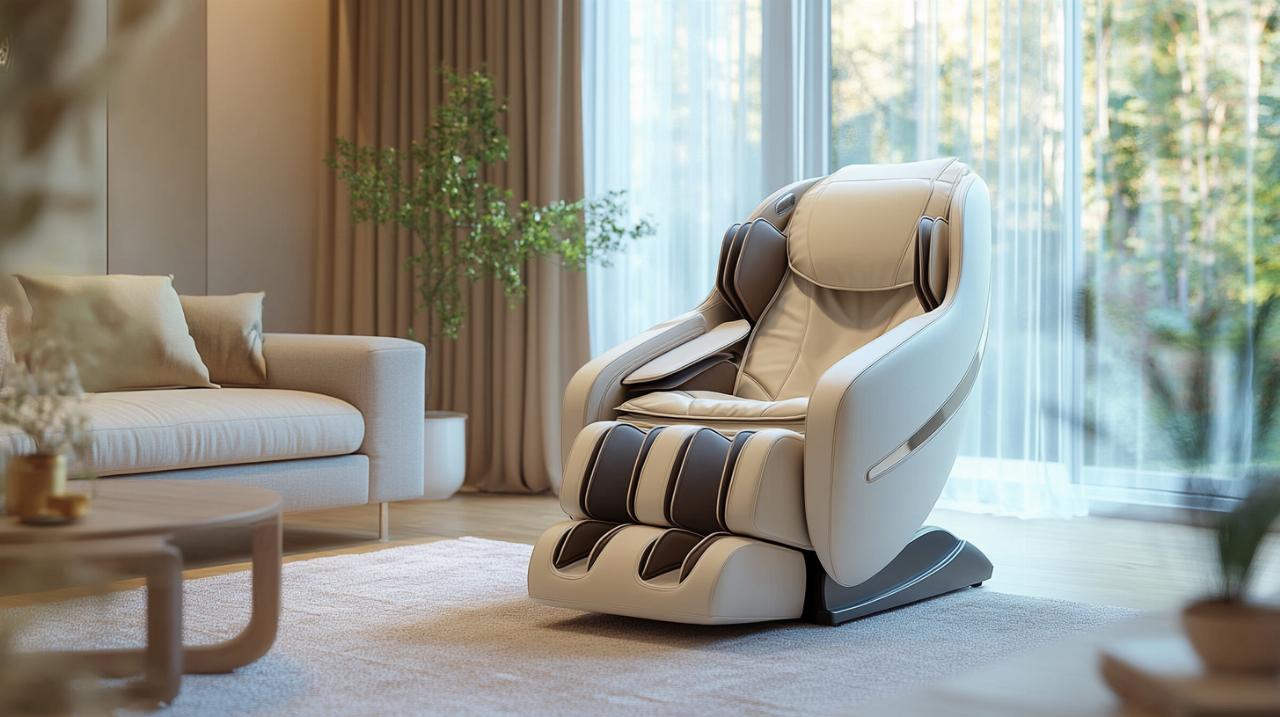
In homes across the country, families are increasingly recognising the value of investing in a quality massage chair that can serve everyone from the youngest to the eldest members. These sophisticated pieces of furniture have evolved far beyond simple vibrating seats. They now offer a comprehensive range of therapeutic options designed to accommodate diverse needs, preferences, and physical characteristics. Understanding which features truly matter ensures that your purchase becomes a cherished wellness resource rather than an underutilised luxury gathering dust in the corner of your living room.
Customisable settings for every body type
One of the most significant considerations when selecting a massage chair that suits the entire household involves examining how well the device adapts to different body types and comfort requirements. Modern chairs incorporate body scanning technology that automatically detects the unique contours of each user, adjusting the massage rollers to target pressure points precisely. This intelligent feature ensures that whether your teenager needs relief after football practice or your elderly parent requires gentle support for chronic discomfort, the chair responds appropriately without requiring manual recalibration each time someone new sits down.
The best massage chair features for all family members include thoughtful design elements that accommodate varying heights and weights. Many premium models support users up to one hundred and fifty kilogrammes whilst offering adjustment mechanisms that ensure proper alignment for individuals as short as five feet or as tall as six foot four. This flexibility proves essential in households where physical diversity is the norm. Furthermore, the inclusion of lumbar support systems that move vertically allows the chair to address lower back concerns effectively regardless of torso length, ensuring that everyone experiences therapeutic benefits rather than awkward positioning that diminishes the massage experience.
Adjustable intensity levels for different comfort preferences
Not everyone appreciates the same level of pressure during a massage session. Whilst some family members might relish a deep tissue treatment that works vigorously into tense muscles, others may prefer a gentler approach that simply promotes relaxation without causing discomfort. Quality massage chairs address this variation through multiple intensity settings that can be adjusted via remote control, touchscreen interface, or even voice commands in more advanced models. These options typically range from light to vigorous, with several graduated steps in between, allowing each user to find their ideal comfort zone.
Heat therapy represents another adjustable feature that enhances the massage experience for many users. Heating zones positioned at the lumbar region, calves, or feet can reach temperatures around forty-five degrees Celsius, helping to loosen tight muscles before the mechanical massage begins. However, this warmth might prove excessive for younger users or those sensitive to heat, making the ability to disable or modulate these zones particularly valuable. The integration of customisable heating alongside intensity controls ensures that the chair remains comfortable and beneficial regardless of individual sensitivities or seasonal preferences, providing soothing warmth during chilly winter evenings whilst remaining comfortably cool during summer months.
Height and Position Adjustments for All Ages and Sizes
Physical stature varies considerably even within a single family, and a truly versatile massage chair must accommodate this reality through comprehensive adjustment capabilities. Beyond simple recline functions, sophisticated models incorporate sliding seat mechanisms that extend or retract to match leg length, ensuring that feet rest properly on footrests rather than dangling uncomfortably or being cramped against resistance. This attention to proportional fit proves especially important for elderly users who may struggle with circulation issues or children whose shorter stature would otherwise leave them poorly positioned in a chair designed primarily for average adult dimensions.
Zero gravity positioning, which elevates the legs to approximately the same level as the heart, represents a particularly beneficial feature for circulation improvement and spine decompression. This position, inspired by the posture astronauts adopt during launch, distributes body weight evenly and reduces strain on the vertebrae. However, reaching this position requires careful calibration of recline angle and leg elevation, which differs based on individual body proportions. Chairs equipped with memory functions allow each family member to save their preferred settings, eliminating the tedious process of manual adjustment each time they wish to enjoy a session. Such convenience encourages regular use, transforming the massage chair from an occasional indulgence into a consistent wellness tool that supports the health of everyone in the household.
Versatile Massage Techniques to Benefit the Entire Household
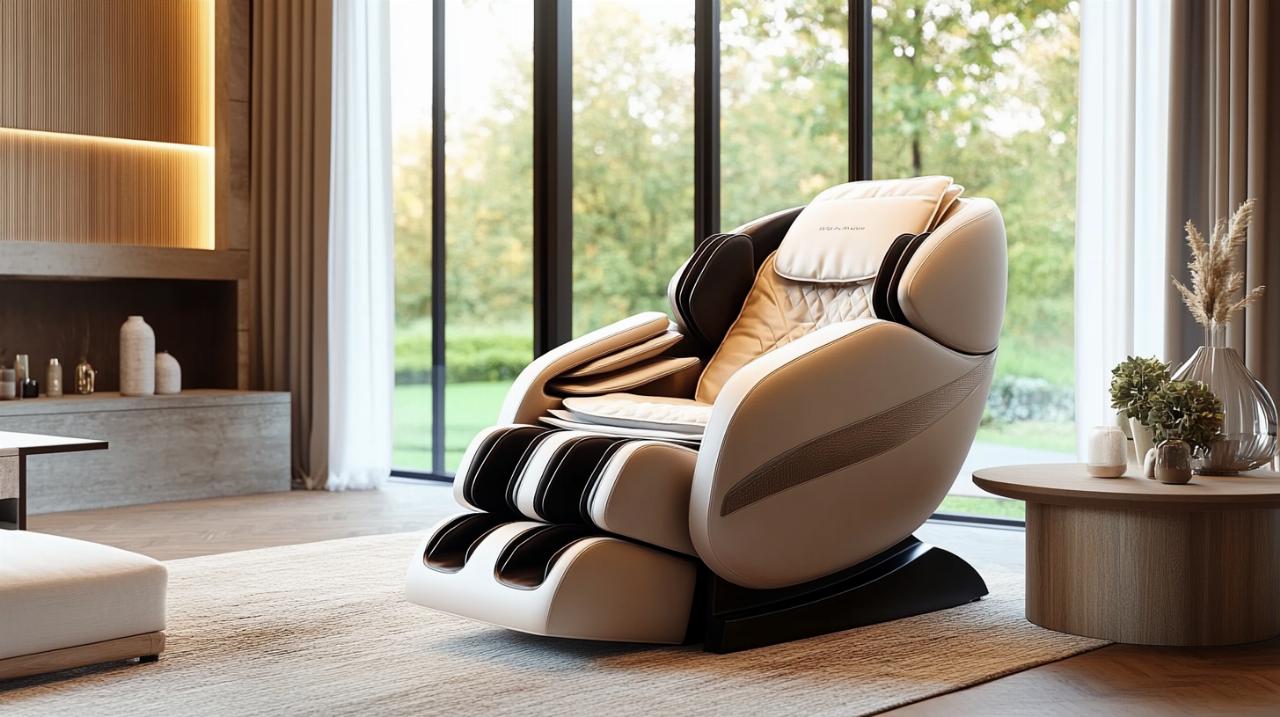
The therapeutic value of a massage chair depends significantly on the variety and quality of techniques it can deliver. Different massage styles address distinct concerns, from muscle tension and poor circulation to stress relief and posture correction. A chair that offers multiple modalities ensures that each family member can select the approach most suited to their current needs, whether that involves vigorous kneading after a strenuous workout or gentle rolling motions to promote relaxation before sleep. The availability of diverse techniques transforms the chair into a comprehensive wellness station capable of addressing the varied demands that arise throughout daily life.
Range of Massage Styles from Shiatsu to Swedish
Traditional massage modalities have been thoughtfully adapted for mechanical reproduction in modern chairs, bringing professionally inspired techniques into the home environment. Shiatsu massage, which originated in Japan and employs firm pressure applied to specific points along the body, proves particularly effective for releasing deep-seated tension and promoting energy flow. Chairs equipped with shiatsu programmes utilise rotating nodes or rollers that press firmly into muscles, mimicking the thumb and palm pressure characteristic of this ancient practice. This technique appeals to those who prefer assertive treatment and can benefit athletes or manual labourers whose work creates substantial muscular strain.
In contrast, Swedish massage techniques emphasise longer, flowing strokes designed to promote relaxation and improve circulation rather than address deep muscle knots. Chairs offering Swedish-style programmes typically employ gentler rolling motions combined with sustained pressure that gradually warms and loosens tissue without the intensity associated with shiatsu or deep tissue work. This approach proves ideal for elderly users, individuals recovering from injury, or anyone seeking stress relief rather than therapeutic intervention for chronic pain. The inclusion of both vigorous and gentle techniques within a single chair ensures that the device remains relevant regardless of changing circumstances, accommodating periods of intense physical activity as well as times when gentler care proves more appropriate.
Targeted relief options for specific muscle groups
Comprehensive massage chairs incorporate mechanisms designed to address distinct areas of the body with specialised attention. Rather than delivering uniform treatment from neck to feet, these sophisticated systems allow users to focus therapeutic effort on regions experiencing particular discomfort or tension. Lumbar massage programmes concentrate on the lower back, utilising both mechanical rollers and airbag compression to address the chronic pain that afflicts millions of office workers who spend extended periods seated at desks. Similarly, dedicated neck and shoulder programmes target the upper trapezius muscles where stress and poor posture commonly manifest as tightness and discomfort.
Foot and calf massage represents another valuable targeted feature, particularly beneficial for individuals who stand throughout their workday or engage in running and cycling. Reflexology-inspired foot rollers stimulate pressure points believed to correspond with various organs and systems throughout the body, whilst airbag compression in the calf region promotes venous return and reduces swelling. These localised treatments can be selected independently or combined with full-body programmes, providing flexibility that accommodates varying needs across different family members. A teenager recovering from sports practice might focus exclusively on leg relief, whilst a parent managing desk-related tension would emphasise neck and shoulder treatment, demonstrating how targeted capabilities enhance the chair’s utility for diverse users.
The integration of L-track and S-track systems further enhances targeted massage effectiveness by ensuring that rollers follow the natural curvature of the spine accurately. S-track designs match the cervical and thoracic spine curves, whilst L-track systems extend this coverage through the lumbar region and into the gluteal muscles, addressing a greater portion of the body’s posterior chain. This extended reach proves particularly valuable for individuals experiencing sciatic nerve irritation or lower back dysfunction, conditions that often require treatment beyond what standard massage chairs can provide. By combining track design sophistication with adjustable intensity and diverse technique options, premium chairs deliver genuinely therapeutic experiences that rival professional treatment in convenience and consistency, making them worthwhile investments in long-term family wellness.