
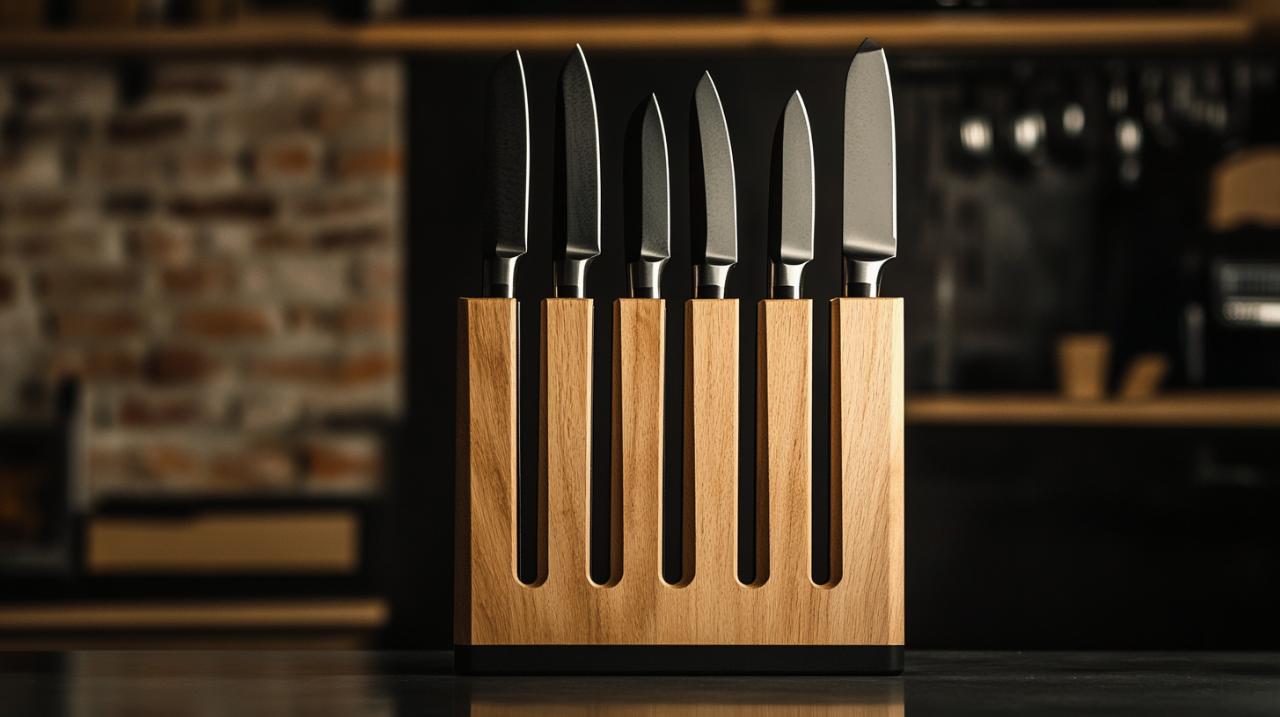
When searching for the perfect addition to your culinary arsenal, understanding how a knife block set actually performs in daily use becomes crucial. From professional chefs to enthusiastic home cooks, the right collection of blades can transform meal preparation from tedious chore into genuine pleasure. This comprehensive examination delves into the technical specifications, real-world capabilities, and overall value offered by premium knife collections available in today’s competitive market.
Cutting performance and blade sharpness assessment
The foundation of any serious knife block set performance analysis rests upon how effectively these tools slice, dice, and prepare ingredients. High-carbon stainless steel blades have emerged as the industry standard for combining edge retention with resistance to corrosion. The testing process for these implements often involves processing substantial quantities of produce and proteins, with some evaluations examining performance across more than twenty-five pounds of various ingredients. This rigorous approach reveals how well each knife maintains its factory edge whilst tackling everything from delicate tomato skins to dense root vegetables. German craftsmanship typically employs FRIODUR ice-hardening technology alongside cryogenic treatment, processes that fundamentally alter the steel’s molecular structure to enhance both durability and sharpness longevity. These advanced manufacturing techniques ensure that blades hardened to approximately fifty-seven on the Rockwell hardness scale deliver consistent performance over extended periods, reducing the frequency of maintenance sessions with your knife sharpener.
Edge retention and long-term sharpness testing
Superior edge retention separates exceptional kitchen knife sets from merely adequate collections. Japanese Damascus steel and VG-10 steel compositions have gained considerable recognition for maintaining their factory-sharp condition through hundreds of cutting tasks. The edge angle plays a vital role in this equation, with fifteen-degree angles on each side offering an optimal balance between keenness and structural integrity. This geometry proves particularly effective when paired with modern metallurgy, as the steel’s composition directly influences how long blades maintain their cutting efficiency. Brands employing cryogenic treatment subject their blades to extreme cold temperatures, aligning the steel’s crystalline structure to resist wear more effectively. For home cooks concerned about maintenance demands, these technological advances translate to fewer trips to the knife sharpening station and more time devoted to actual cooking. Premium knife sets from manufacturers such as Zwilling and HexClad demonstrate that investing in quality metallurgy pays dividends in long-term performance, whilst budget knife sets may require more frequent attention to maintain acceptable sharpness levels.
Precision cutting across different food types
The true measure of cutting performance emerges when blades encounter diverse ingredients requiring different techniques. A chef’s knife must transition seamlessly from chopping vegetables to slicing meat, whilst a paring knife should handle delicate tasks like peeling and deveining with equal facility. Testing protocols evaluate how each blade handles tough-skinned produce, tender proteins, and everything between these extremes. The carving knife within a comprehensive set should glide through roasted joints with minimal resistance, producing uniform slices that showcase both the food and the blade’s capabilities. Similarly, a filleting knife must demonstrate flexibility paired with control when navigating around bones and skin. Japanese knives often excel in precision tasks due to their harder steel and more acute edge angles, though they can prove more brittle if mishandled. Serrated knives address specific challenges presented by crusty bread and certain fruits, though their specialized teeth make them less versatile for general kitchen work. The integrated sharpener featured in some modern knife blocks represents an innovative solution for maintaining optimal performance, allowing quick touch-ups between major sharpening sessions.
Build quality and material construction analysis
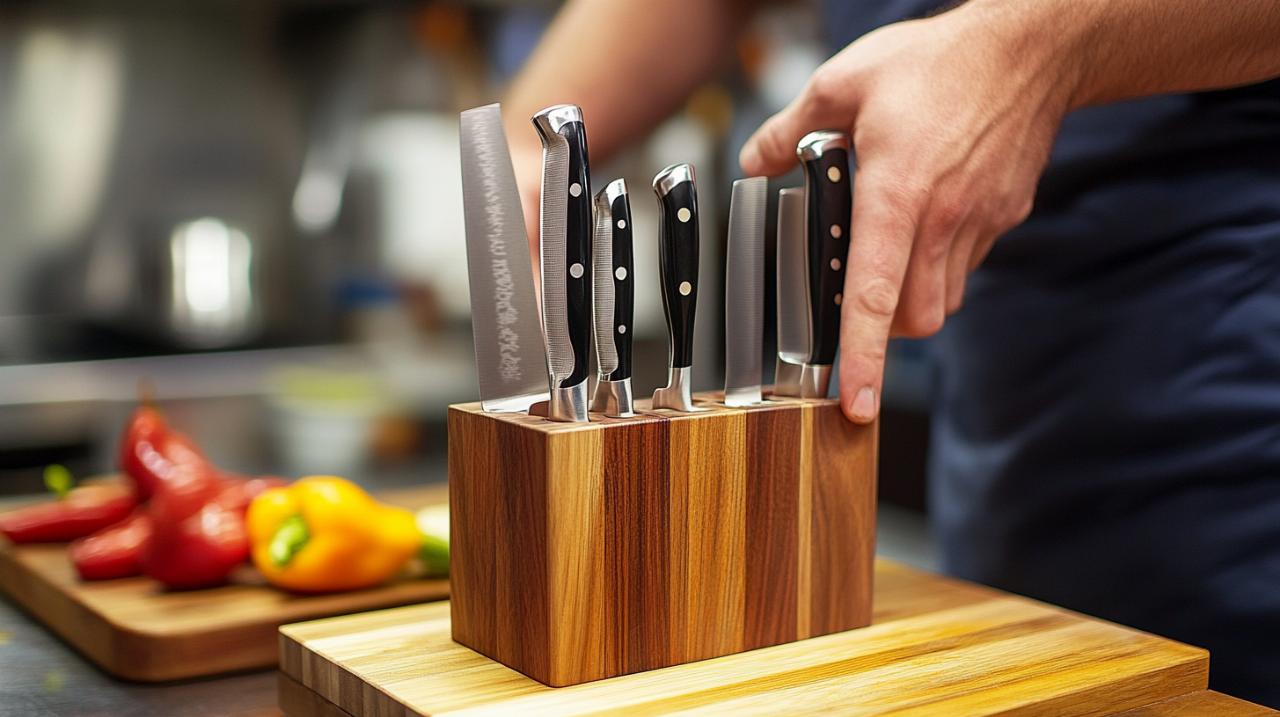
Beyond the cutting edge, the overall construction quality determines whether a knife set delivers lasting value or disappoints after initial enthusiasm fades. Examining how manufacturers assemble these tools reveals their commitment to durability and user satisfaction. The distinction between forged and stamped blades significantly impacts both performance and longevity, with forged construction generally offering superior balance and resilience. Full tang design has become nearly standard in premium knife sets, as extending the blade material throughout the handle enhances structural integrity whilst improving weight distribution. This engineering approach prevents the common failure point where blade and handle meet, ensuring decades of reliable service when properly maintained.
Blade steel composition and durability
The metallurgical choices manufacturers make fundamentally shape how their products perform throughout years of regular use. High-carbon stainless steel blends combine the edge-holding properties of carbon with the corrosion resistance of chromium and other alloying elements. German knives traditionally favour compositions that prioritize toughness and ease of maintenance, creating blades that withstand the rigours of professional kitchens whilst forgiving occasional lapses in care. The Rockwell hardness measurement provides objective comparison between different sets, with readings around fifty-seven indicating steel hard enough to maintain edges yet not so brittle as to chip under normal use. Advanced treatments like ice-hardening and cryogenic processing push these properties further, creating molecular structures that resist wear more effectively than conventionally heat-treated steel. Brands including Victorinox have built reputations on consistent quality control, ensuring each knife leaving their facilities meets exacting standards. Ceramic knives offer an alternative approach, using materials far harder than any steel, though their brittleness requires careful handling to prevent chipping or fracturing. For most cooking applications, properly treated stainless steel provides the optimal combination of performance characteristics and practical durability.
Handle ergonomics and balance distribution
The interface between cook and blade deserves equal consideration alongside steel quality and edge geometry. Ergonomic handles shaped to fit comfortably in various grip styles reduce fatigue during extended preparation sessions whilst promoting safer cutting techniques. Handle length typically measures around thirteen centimetres, providing adequate purchase for most hand sizes without becoming unwieldy. Materials range from traditional wood to modern synthetic polymers, each offering distinct advantages regarding maintenance requirements and grip security. The balance point of a well-designed knife should rest near where blade meets handle, allowing the weight to assist cutting motion rather than fighting against it. Full tang construction naturally improves balance by distributing mass throughout the tool’s length rather than concentrating it in the blade. Testing procedures often involve extended use periods where evaluators prepare complete meals, revealing how handle design affects comfort and control during realistic cooking scenarios. Brands like Global have distinguished themselves with distinctive metal handles that some users adore whilst others find too slippery or cold to the touch. The knife storage solution accompanying these sets also merits attention, as knife blocks should protect blade edges whilst occupying reasonable counter space. Magnetic knife strips offer space-saving alternatives, though they expose blades to potential damage and lack the contained elegance of traditional blocks. Premium sets increasingly include self-sharpening blocks with integrated mechanisms that maintain edges each time knives are removed or returned, addressing maintenance concerns for users less confident with traditional sharpening methods.