

Selecting the right sewing equipment can transform your creative projects from homemade efforts into garments and textiles that rival shop-bought quality. Among the most valuable additions to any sewing enthusiast’s workspace is a machine that excels at finishing edges, working with stretch materials, and delivering rapid, consistent results. When you explore the market for the best serger machines, you quickly discover that this specialised tool offers capabilities far beyond what a standard domestic sewing machine can achieve. Understanding the nuances of these devices, from thread configurations to feed mechanisms, empowers you to make a choice that aligns perfectly with your ambitions and the types of projects you most frequently undertake.
Understanding your sewing requirements and fabric types
Assessing your primary sewing projects
Before committing to any particular model, it is essential to reflect on the nature of your sewing activities. If your focus lies predominantly in creating garments from lightweight materials such as silk, chiffon, or jersey, your requirements will differ significantly from someone who regularly tackles heavy-duty textiles like denim or canvas. The power and robustness of the machine must correspond to the weight and density of the fabrics you handle. For instance, those working with delicate materials benefit from precise tension controls and gentle feed mechanisms, whilst those dealing with thicker layers need a motor and frame capable of consistent performance under stress. Considering whether your work involves garment construction, home decor items, quilting embellishments, or sportswear will guide you towards features that truly matter for your specific applications.
Matching machine power to fabric weight
The relationship between machine capability and fabric characteristics cannot be overstated. A serger designed for robust performance typically operates at speeds exceeding one thousand stitches per minute, with some models reaching up to fifteen hundred stitches per minute. This speed, combined with a sturdy metal frame, ensures stability when working through multiple layers or dense weaves. Stretchy fabrics present their own challenges, as they can easily distort or wave during stitching if the equipment lacks proper control mechanisms. Therefore, assessing the weight and stretch properties of your most common materials helps narrow down the options to machines engineered for those demands. A model that handles jersey and lycra with ease may not struggle with heavier cotton twill, but the reverse is not always true, making this evaluation a critical first step in your decision-making process.
Essential thread configurations for optimal results
Comparing 3-thread and 4-thread capabilities
One of the defining characteristics of any serger is the number of threads it can accommodate simultaneously. Basic models operate with three threads, which suffices for straightforward edge finishing and lighter seaming tasks. This configuration creates a clean, professional appearance and prevents fraying on fabric edges effectively. However, when greater strength and durability are required, a four-thread setup proves superior. The additional thread reinforces the seam, making it more resistant to stress and wear, particularly valuable for garments that undergo frequent washing or physical activity. Many versatile machines offer both options, allowing you to switch between configurations depending on the project at hand. Some advanced sergers extend this capability further, incorporating five threads for specialised applications such as sportswear or professional garment construction, where both coverstitch and overlocking functions combine to deliver exceptionally robust finishes.
Selecting the Right Thread Count for Durability
The thread count you choose directly influences the longevity and appearance of your finished work. For everyday sewing projects, a three or four thread configuration strikes a balance between functionality and simplicity. When working on items that demand extra resilience, such as activewear or heavily used household textiles, opting for a machine capable of five threads provides added security. The Singer Overlock Professional 5, for example, offers fourteen stitch types with its five-thread capability, making it a formidable choice for those who require flexibility and strength. Understanding that each additional thread increases both the complexity of threading and the time required for setup encourages a pragmatic approach. For beginners or those with occasional needs, a three or four thread serger offers an accessible entry point, whilst experienced sewers or professionals may find the investment in a higher thread count machine worthwhile for the expanded creative possibilities and superior durability it affords.
Key technical features that matter most
The importance of differential feed mechanisms
Among the technical innovations that distinguish superior sergers from basic models, the differential feed mechanism stands out as particularly crucial. This feature controls the rate at which fabric is fed through the machine, with adjustable ratios typically ranging from 0.7 to 2. When working with stretchy fabrics, the differential feed prevents unwanted puckering or stretching, ensuring that the finished edge lies flat and maintains its intended shape. Materials like jersey, lycra, or knit garments benefit enormously from this capability, as the machine can accommodate the natural give of the fabric without distorting it. Conversely, when sewing woven textiles that tend to bunch or wave, adjusting the feed ratio in the opposite direction helps gather the fabric gently, creating controlled fullness or easing excess material into a seam. Without this mechanism, achieving consistent results across different fabric types becomes significantly more challenging, making it a feature worth prioritising when comparing models.
Adjustable stitch parameters for versatile finishing
The ability to modify stitch length and width provides the flexibility needed to adapt to various fabrics and desired outcomes. Stitch length typically ranges from one to four millimetres, whilst width adjustments span from two to six millimetres. Shorter, narrower stitches create delicate, refined edges suitable for lightweight or decorative work, whilst longer, wider stitches offer greater coverage and strength for heavier materials. This adjustability ensures that whether you are finishing a silk scarf or reinforcing a denim jacket seam, the machine can be calibrated to deliver optimal results. Additionally, tension adjustment plays a vital role in achieving balanced stitches that neither pull too tightly nor sit too loosely. Machines that offer straightforward, clearly marked tension controls simplify the learning curve and reduce the frustration often associated with dialing in the perfect settings. Investing time to understand these parameters and selecting a serger that provides intuitive access to them will pay dividends in the quality and consistency of your finished projects.
Threading systems and user-friendly design
Colour-coded threading guides
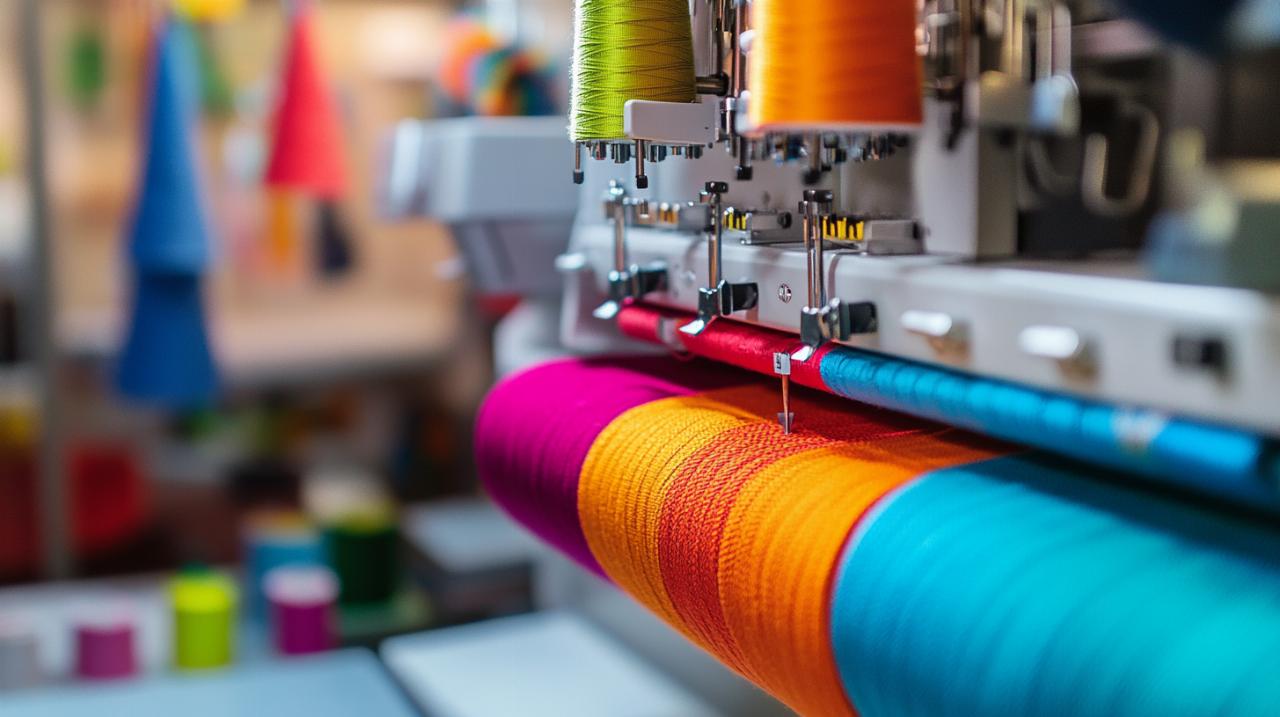
Threading a serger can be one of the most daunting aspects of using these machines, particularly for those new to the equipment. Unlike conventional sewing machines that typically use two threads, sergers require multiple threads to be routed through a complex path involving loopers, needles, and tension discs. To mitigate this challenge, many manufacturers incorporate colour-coded threading guides directly onto the machine. These visual aids match each thread spool to a corresponding coloured path, significantly reducing confusion and speeding up the process. For instance, a red guide might lead you from the red thread cone through the appropriate tension disc and looper, whilst a blue guide does the same for another thread. This intuitive design feature transforms what could be a frustrating trial into a manageable routine, encouraging regular use of the serger rather than letting it gather dust due to threading anxiety. When evaluating models, pay close attention to how clearly these guides are presented and whether they remain visible and legible even in less-than-ideal lighting conditions.
Automatic threading technology benefits
For those seeking the ultimate in convenience, some high-end models incorporate automatic threading technology. The BERNINA Ultimate Overlocker, for example, features a one-step air threader that dramatically simplifies the setup process. This innovation uses a jet of air to guide the thread through the machine’s intricate pathways, eliminating much of the manual dexterity and patience traditionally required. Baby Lock also offers models with automatic threading, making them particularly appealing to sewers who frequently change thread colours or work on multiple projects in quick succession. Whilst these features typically come at a premium price point, the time saved and frustration avoided can justify the investment, especially for professionals or dedicated hobbyists who use their serger regularly. Even without full automation, features such as easy-access loopers and snap-on presser feet contribute to a more user-friendly experience, reducing downtime and allowing you to focus on the creative aspects of your work rather than wrestling with the mechanics of the machine.
Build quality and long-term reliability
Evaluating machine construction and stability
The physical construction of a serger directly impacts its performance and lifespan. Machines built with a metal frame tend to offer superior stability compared to those relying primarily on plastic components. A sturdy frame minimises vibration during high-speed operation, which not only improves stitch quality but also reduces noise and wear on internal components. When assessing potential purchases, a practical test involves giving the machine a gentle wobble to gauge its solidity. Models such as the Brother Sturdy Metal Frame Serger live up to their name, providing a reassuring heft and firmness that inspire confidence during use. Beyond the frame, consider the quality of internal mechanisms, including gears, feed dogs, and cutting blades. Machines designed for frequent or professional use typically feature more robust components capable of withstanding the demands of extended sewing sessions and varied fabric types. Investing in a well-constructed serger may require a higher initial outlay, but the reduced likelihood of breakdowns and the extended service life make it a sound financial decision in the long run.
Durability considerations for heavy-duty use
For those who plan to use their serger intensively, durability becomes a paramount concern. Brands such as Juki have earned reputations for producing machines that excel in commercial and industrial settings, where reliability cannot be compromised. The Juki MO654DE, for instance, is frequently cited for its resilience and consistent performance even under demanding conditions. Heavy-duty models typically feature reinforced components, enhanced motor power, and cooling systems designed to prevent overheating during prolonged operation. These machines maintain consistent tension and feed rates even when working through thick layers or challenging fabrics, ensuring that your fiftieth seam of the day matches the quality of the first. When evaluating durability, also consider the availability of replacement parts and the manufacturer’s service network. A machine from a well-established brand with a comprehensive support infrastructure offers peace of mind, knowing that should maintenance or repairs become necessary, assistance is readily accessible. Reading reviews from users who have owned their machines for several years provides valuable insight into how well different models hold up over time.
Practical features for professional results
Free arm functionality for detailed work
Certain sewing tasks, such as finishing cuffs, sleeve hems, or trouser legs, become significantly easier with a free arm feature. This design element allows you to slide tubular fabric onto the machine, enabling you to work on cylindrical sections without awkward manoeuvring or the need to unpick and re-sew seams. The free arm configuration proves particularly valuable when constructing garments, as it streamlines the finishing process and helps achieve neat, professional results on challenging areas. Not all sergers include this feature, so if your projects frequently involve sleeves, collars, or other tubular elements, prioritising models that offer a free arm will enhance your efficiency and the quality of your finished work. Additionally, a free arm often indicates a more thoughtfully designed machine overall, suggesting that the manufacturer has considered the practical needs of sewers working on complete garments rather than solely edge finishing tasks.
Built-in rolled hem and specialty finishes
The rolled hem function represents one of the most elegant finishing techniques available on a serger, creating a narrow, tightly rolled edge that works beautifully on delicate fabrics such as chiffon, georgette, or fine knits. This feature requires precise tension adjustment and often a specific needle plate or throat plate configuration, which some machines include as standard whilst others offer as optional accessories. Models that incorporate built-in rolled hem capabilities without requiring you to purchase additional components or perform complex adjustments offer excellent value and versatility. Beyond rolled hems, some sergers provide specialty stitches for decorative purposes, reinforcement, or specific fabric types. The ability to produce flatlock seams, for example, proves useful for sportswear and decorative topstitching, whilst coverstitch functionality allows for professional hem finishes on knit garments. When identifying the best serger machines for your needs, consider which specialty finishes align with your typical projects and whether the cost of a machine offering these features outweighs the convenience and quality they provide.
Making an informed purchase decision
Reading reviews and comparing models
In the digital age, prospective buyers have access to an unprecedented wealth of information through online reviews, comparison articles, and user forums. Taking the time to research thoroughly before committing to a purchase can prevent costly mistakes and ensure you select a machine well-suited to your requirements. Look for reviews that go beyond surface-level features and provide insights into real-world performance, including how machines handle different fabric types, how intuitive their controls are, and how they perform after months or years of use. Comparing specific models side by side helps clarify the trade-offs between price, features, and brand reputation. For instance, whilst Singer and Brother models often represent excellent value for money, Juki machines are frequently praised for their durability, and Baby Lock sergers are celebrated for their user-friendly automatic threading. Understanding these distinctions enables you to weigh factors such as initial cost against long-term satisfaction and reliability. Additionally, seeking out video demonstrations or visiting retailers where you can see machines in operation provides valuable context that written specifications alone cannot convey.
Understanding maintenance requirements
Like any precision equipment, sergers require regular maintenance to continue performing at their best. This includes routine cleaning to remove lint and thread fragments, periodic oiling of moving parts, and occasional blade replacement. Different models vary in how accessible their internal components are for cleaning and how frequently they require attention. Machines with clear maintenance instructions and easily removable covers simplify upkeep, encouraging you to perform necessary tasks rather than neglecting them until performance suffers. Some manufacturers design their sergers with self-cleaning features or enhanced dust protection, reducing the burden on the user. When evaluating potential purchases, consider not only the machine’s capabilities but also your willingness and ability to maintain it properly. A slightly more expensive model that requires less frequent or less complex maintenance may ultimately prove more economical and satisfying than a bargain machine that demands constant attention. Additionally, verify what warranty coverage the manufacturer provides and what it includes, as comprehensive warranties reflect confidence in build quality and offer protection for your investment.
Budget planning for your investment
Price ranges across different quality levels
Sergers are available across a broad price spectrum, from entry-level models costing around two hundred pounds to professional machines exceeding eight hundred pounds. Understanding what each price bracket typically offers helps align your budget with realistic expectations. At the lower end, machines such as the Viola Look T8 or Singer 14SH 654 provide essential functionality, including three or four thread capability, adjustable stitch parameters, and respectable stitching speeds around thirteen hundred stitches per minute. These represent solid choices for beginners or those with occasional needs, offering a practical introduction to serging without a substantial financial commitment. Mid-range options, including the Brother M343D and Alfa 8707, incorporate enhanced stability, additional features, and improved build quality, typically priced between two hundred fifty and four hundred pounds. At the premium level, models such as the Juki 654DE and Singer Overlock Professional 5 deliver advanced capabilities, superior durability, and comprehensive accessory packages, justifying their higher price tags through extended functionality and reliability.
Balancing cost with professional quality
Determining how much to spend requires honest assessment of your skill level, frequency of use, and the importance of particular features to your work. For hobbyists who sew intermittently, a budget-friendly model that covers the basics may suffice, allowing you to explore serging without significant financial risk. However, for those who sew regularly or aspire to produce garments for sale or professional presentation, investing in a higher-quality machine pays dividends through improved results, reduced frustration, and greater creative possibilities. Consider the cost not merely as an expense but as an investment in your craft. A machine that encourages frequent use by being reliable, user-friendly, and capable of producing consistently excellent results will ultimately provide better value than a cheaper alternative that languishes unused due to threading difficulties or inconsistent performance. When making your decision, factor in the included accessories, warranty length, and availability of customer support, as these elements contribute significantly to the overall value proposition. Aim for at least a two-year warranty, as this demonstrates the manufacturer’s confidence in their product and provides peace of mind as you familiarise yourself with your new equipment. By carefully balancing initial cost against features, build quality, and long-term satisfaction, you position yourself to select a serger that not only meets your current needs but continues to serve you well as your skills and ambitions grow.