
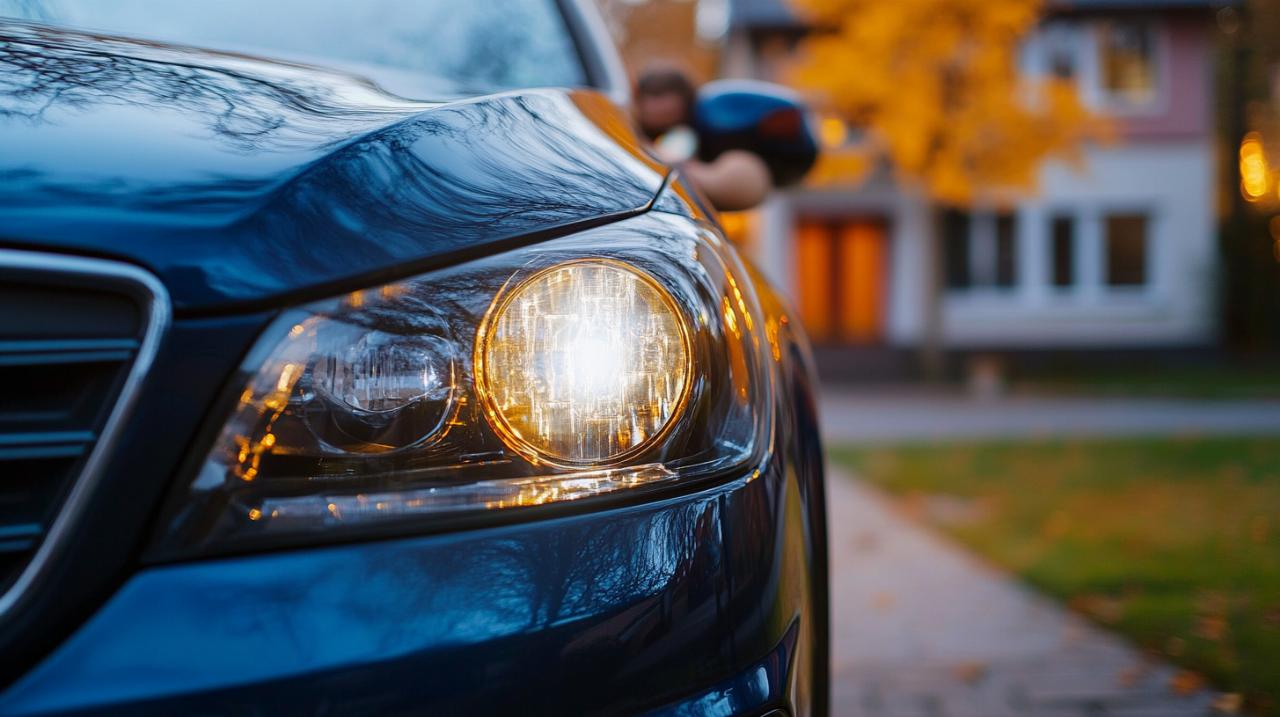
Driving through the night or in poor weather conditions can be challenging, especially when your headlights fail to illuminate the road ahead as they should. Over time, the plastic lenses covering your headlights become cloudy and yellowed, diminishing the light output and compromising your safety. Fortunately, there is a practical solution that does not involve expensive replacements. Understanding how to select the right product for this task can make all the difference in restoring clarity and ensuring you have the best possible visibility when it matters most.
Understanding the Importance of Headlight Restoration for Road Safety
Clear headlights are not merely a cosmetic feature of your vehicle. They play a critical role in ensuring that you can see the road ahead and that other drivers can see you. When headlights become clouded or oxidised, the amount of light they emit is significantly reduced, which can create dangerous driving conditions. This issue is particularly pronounced at night or during adverse weather, where visibility is already compromised. Investing in the best headlight restoration kit can restore your headlights to a condition where they once again provide the illumination necessary for safe travel.
How oxidised headlights affect your night-time visibility
The primary culprit behind cloudy headlights is exposure to ultraviolet rays from the sun, combined with environmental factors such as road debris, moisture, and heat. Over time, these elements cause the plastic lenses to oxidise, resulting in a dull, yellowed appearance that obstructs the light from your bulbs. Studies have shown that restored headlights can regain up to ninety per cent of their original light output, which is a substantial improvement that directly enhances your ability to see and be seen on the road. For drivers who frequently travel at night, the difference between cloudy and clear headlights can be the difference between a safe journey and a hazardous one.
The impact of oxidised headlights extends beyond just reduced brightness. The cloudiness scatters the light in unpredictable ways, creating glare that can be distracting and even blinding to oncoming traffic. This scattering effect reduces the effective range of your headlights, meaning that objects and obstacles on the road become visible at a much shorter distance. Given that halogen headlights typically illuminate a distance of eighty to one hundred feet, any reduction in clarity can significantly compromise your reaction time. By contrast, LED headlights, which can light up distances of two hundred to three hundred metres, are similarly affected when oxidation sets in.
The connection between clear headlights and accident prevention
Clear headlights are an essential component of accident prevention. When your headlights are functioning at their best, you have more time to react to unexpected hazards, whether it is a pedestrian stepping onto the road, an animal crossing, or debris that has fallen onto the carriageway. Moreover, well-maintained headlights ensure that other drivers are aware of your presence, reducing the likelihood of collisions. The visibility improvement achieved through headlight restoration is not just about aesthetics; it is a safety enhancement that can protect you and your passengers.
Beyond the immediate safety benefits, maintaining clear headlights can also have a positive impact on your vehicle’s resale value. Prospective buyers are more likely to be impressed by a car that looks well cared for, and cloudy headlights can give the impression of neglect. Additionally, headlight restoration is an eco-friendly choice, as it reduces waste by avoiding the need to replace entire headlight assemblies. Given that professional restoration services can cost anywhere from twenty to over two thousand pounds, a DIY restoration kit offers a cost-effective alternative that delivers professional-grade results.
Key Features to Look for When Selecting a Headlight Restoration Kit
Not all headlight restoration kits are created equal. To ensure that you achieve the best possible results, it is important to understand the key features that distinguish a high-quality product from a substandard one. The right kit should include a range of sandpaper grits, a polishing compound, and a UV protective coating. These components work together to remove oxidation, restore transparency, and protect against future damage. Additionally, some kits are designed for hand application, while others require the use of a drill, so it is worth considering which method suits your level of experience and the tools you have available.
Evaluating uv protection and long-lasting results
One of the most critical features of any headlight restoration kit is the inclusion of a UV sealant or ceramic coating. Without this protective layer, your newly restored headlights will quickly succumb to the same oxidation that caused the cloudiness in the first place. UV damage is an ongoing issue, and any restoration work that does not address this will only provide temporary relief. A high-quality UV protective coating can extend the life of your restoration work by several years, ensuring that your headlights remain clear and effective for as long as possible.
When evaluating different products, look for those that explicitly mention UV protection and offer a guarantee of durability. Some brands, including NAOEVO, Carlightvision, OSRAM, Philips, Novsight, and Luxfighter, provide warranties of up to five years, which is a strong indication of the product’s quality and longevity. The application of a ceramic coating is particularly effective, as it forms a hard, protective layer that resists both UV rays and environmental contaminants. This type of coating is a hallmark of professional-grade results and is increasingly being included in consumer kits designed for DIY use.

Comparing professional-grade versus diy restoration solutions
The choice between a professional-grade restoration service and a DIY kit often comes down to cost and convenience. Professional services can deliver excellent results, but they come with a hefty price tag that can range from twenty pounds to over two thousand pounds, depending on the severity of the damage and the type of vehicle. For most drivers, this expense is unnecessary, as modern DIY kits are capable of achieving results that are nearly indistinguishable from those provided by professionals. The key is to choose a kit that includes all the necessary tools and materials, and to follow the instructions carefully.
DIY restoration kits typically include varying grit sandpaper, a polishing compound, and a UV-resistant coating, along with applicator pads and masking tape to protect the surrounding paintwork. Some kits, such as the Autoglym Headlight Restoration Complete Kit, are designed for use with a drill, which can speed up the process and reduce the amount of elbow grease required. Others, like the Quixx Headlight Restoration Kit, are designed for hand application, making them ideal for those who prefer a more hands-on approach. Regardless of the method, the most important factor is taking your time and ensuring that each step is completed thoroughly.
Wet sanding is a crucial technique that involves using water to lubricate the sandpaper and prevent scratching. This method allows you to remove the oxidised layer without damaging the underlying plastic. Starting with a coarser grit, such as one thousand or fifteen hundred, and gradually moving to finer grits, such as two thousand or three thousand, will give you a smooth, clear surface. After sanding, the polishing compound is applied to restore the lens to its original transparency, and finally, the UV sealant is applied to lock in the results and provide long-term protection.
Another consideration is the ease of use and the comprehensiveness of the kit. A good kit should include everything you need, from sandpaper and polishing compound to applicator pads and masking tape. Some kits also include detailed instructions and even online tutorials to guide you through the process. The Sheen Genie Headlight Lens Restoration Kit, for example, is noted for its user-friendly application and comprehensive contents, making it an excellent choice for those new to headlight restoration. By contrast, kits that require additional purchases or lack clear instructions can lead to frustration and suboptimal results.
Price is another factor to consider, although it should not be the only one. Headlight restoration kits are available at a wide range of price points, from as little as nine pounds ninety-nine to over forty-three pounds ninety-nine. While it is tempting to opt for the cheapest option, it is worth investing in a kit that offers UV protection and a durable finish. The cost of a quality kit is still a fraction of what you would pay for a professional service or for replacing the headlight assemblies entirely, making it a wise investment in both safety and vehicle maintenance.
In conclusion, selecting the best headlight restoration kit involves evaluating several key features, including the quality of the materials, the inclusion of UV protection, and the ease of use. Whether you opt for a drill-based system or a hand application method, the goal is to restore your headlights to a condition where they provide optimal light output and enhance your safety on the road. By taking the time to choose the right product and following the recommended techniques, you can achieve professional-grade results at a fraction of the cost, ensuring that your headlights remain clear and effective for years to come.