
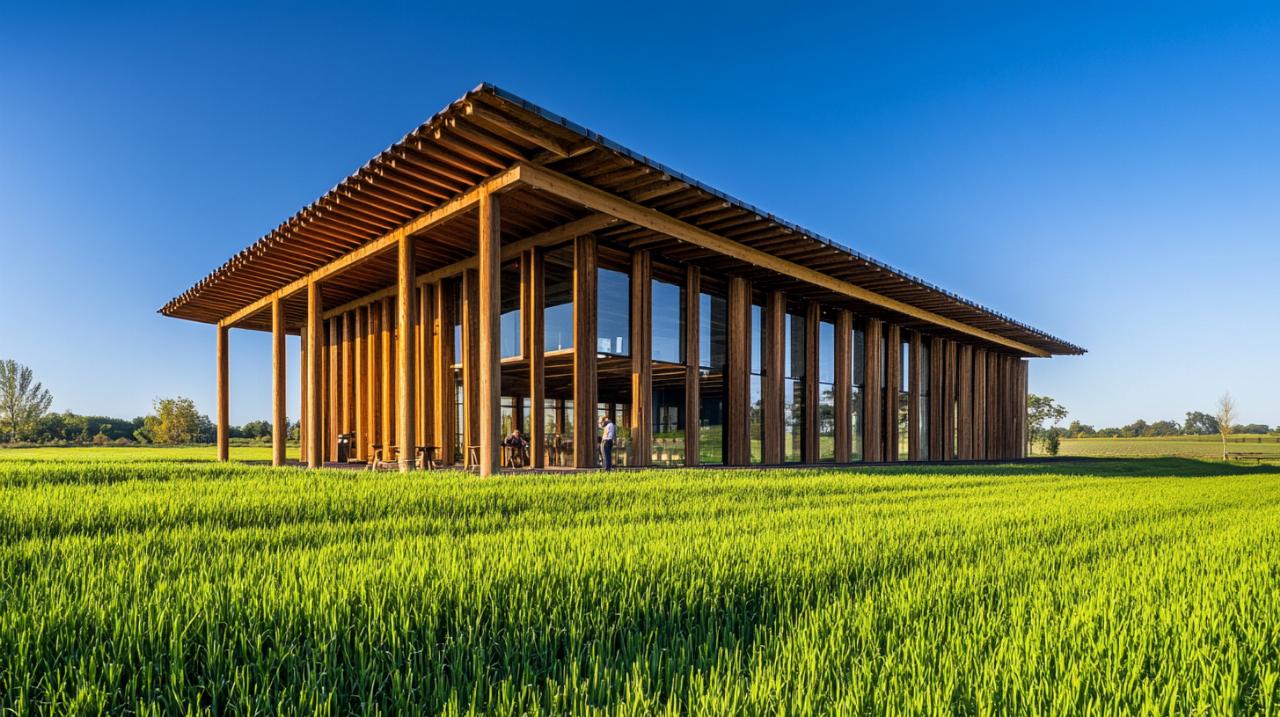
The timber market in the United Kingdom has experienced unprecedented volatility in recent years, leaving farmers and agricultural businesses grappling with escalating costs and uncertain supply chains. As wooden structures remain a cornerstone of farm infrastructure, understanding the forces driving these price changes has become essential for those planning new construction or expansion projects. From transport bottlenecks to international trade dynamics, the factors influencing timber availability and affordability are both complex and interconnected, requiring careful consideration and strategic planning.
Understanding current supply chain disruptions affecting timber costs
Global Timber Market Pressures and Their Impact on UK Agricultural Sectors
The agricultural sector faces mounting challenges as global timber markets experience significant strain. Brexit has reshaped trade relationships, introducing new complexities for imports and altering the competitive landscape for UK farmers. Trade agreements with countries such as Australia and New Zealand have introduced uneven risks, with devolved nations like Scotland and Wales having limited influence over trade policymaking despite their heavy reliance on agriculture. In Wales alone, 84% of land is dedicated to agricultural use, underscoring how deeply intertwined farming and rural economies remain. These shifting trade dynamics mean that the UK agricultural production may increasingly depend on imports by 2040, which could further influence domestic food security and the availability of construction materials like timber.
Climate change and disrupted supply chains compound these difficulties, as extreme weather events and shifting market conditions create unpredictability in both production and logistics. The agricultural sector is increasingly viewed as a standard economic sector, no longer benefiting from the special support it once received. This shift in perception places additional pressure on farmers to operate with greater efficiency and resilience, even as they face higher costs for essential materials. Market intelligence has become critical, enabling farmers to transition from price-takers to price-makers by leveraging collective marketing strategies and community collaboration. Yet the volatility in timber supply chains continues to undermine these efforts, as fluctuating availability and cost make long-term planning more challenging.
Transport and logistics challenges driving wood price fluctuations
Transport and logistics represent another major driver of timber price instability. Bottlenecks at ports, shortages of shipping containers, and rising fuel costs have all contributed to delays and increased expenses in moving timber from suppliers to end users. Contractor services and haulage rates have risen sharply, reflecting broader inflationary pressures and heightened demand for freight capacity. For farmers, these logistical challenges translate directly into higher costs for wooden agricultural buildings, whether they are constructing new livestock housing, storage facilities, or workshops. The ripple effects of these disruptions extend beyond initial purchase prices, affecting project timelines and the overall feasibility of farm infrastructure investments.
Moreover, the interconnected nature of global supply chains means that disruptions in one region can quickly impact availability and pricing in the UK. Shortages in North American or Scandinavian timber markets, for example, can lead to reduced export volumes and higher prices for UK buyers. Compliance with environmental standards and sustainability criteria adds another layer of complexity, as farmers seek to source timber from responsibly managed forests while contending with limited availability and premium pricing. These converging pressures underscore the importance of forward planning and flexibility in procurement strategies, enabling farmers to navigate a market characterised by rapid change and uncertainty.
Key cost factors when selecting timber for agricultural buildings
Hardwood versus softwood: balancing quality and budget considerations
Choosing between hardwood and softwood is one of the most significant decisions farmers face when planning wooden agricultural structures. Hardwoods, prized for their durability and resistance to wear, generally command higher prices than softwoods. This cost differential reflects not only the intrinsic qualities of the materials but also the longer growth cycles and more limited availability of many hardwood species. For applications requiring exceptional longevity, such as structural beams in larger livestock buildings or dairy facilities, hardwoods may justify the additional expense through reduced maintenance and replacement needs over time.
Softwoods, on the other hand, offer a more budget-friendly option for many farm construction projects. While they may not match the longevity of hardwoods, modern treatment processes have significantly improved their resistance to decay and insect damage, making them a practical choice for sheds, poultry housing, and other structures where initial cost savings are a priority. The type of wood selected must align with the specific requirements of the agricultural zone and the intended use of the building. Arable farming operations may prioritise cost efficiency for storage sheds, while dairy or livestock enterprises might invest more heavily in durable materials that can withstand heavy use and exposure to moisture. Balancing quality and budget considerations requires a clear understanding of both immediate financial constraints and long-term operational needs.
Additional Materials and Installation Expenses for Sheds and Larger Structures
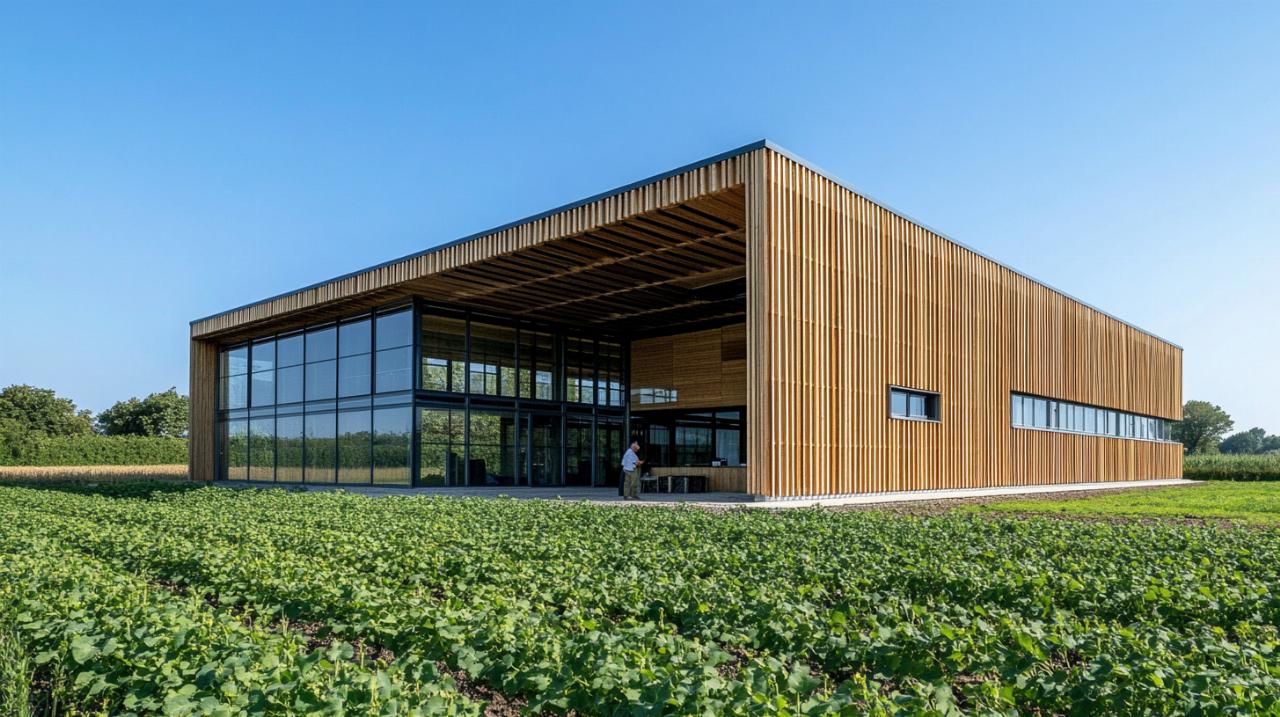
The overall cost of wooden agricultural buildings extends well beyond the price of timber itself. Additional materials such as purlins, roofing panels, insulation, and fixings contribute substantially to the final expense. For larger structures, the complexity of design and the need for robust foundations and structural support systems can significantly increase both material and labour costs. Installation represents another major cost component, as professional construction services are often necessary to ensure compliance with local building regulations and to achieve the structural integrity required for long-term performance. Farm management decisions regarding whether to undertake construction in-house or to engage specialist contractors will have a direct impact on both project costs and timelines.
Furthermore, incorporating additional features such as photovoltaic panels can increase the initial investment but offer substantial long-term savings on electricity costs. Such energy-saving features align with broader sustainability goals and may also provide opportunities for diversification and revenue growth through renewable energy generation. The specific requirements of the agricultural transition, including adherence to environmental standards and animal welfare regulations, may necessitate additional design considerations and material choices, further influencing overall costs. Farmers must carefully evaluate these factors, weighing upfront expenses against potential revenues and long-term benefits to ensure that their investment delivers optimal value and supports their operational objectives.
Strategic Planning to Mitigate Rising Timber Prices in Farm Construction
Evaluating kit buildings versus bespoke designs for cost efficiency
One of the most effective strategies for managing costs in agricultural building projects is to carefully evaluate the trade-offs between kit buildings and bespoke designs. Kit buildings offer a standardised, often more affordable solution, with pre-engineered components that streamline construction and reduce labour requirements. For farmers seeking to minimise upfront costs and accelerate project completion, kit structures represent an attractive option, particularly for straightforward applications such as machinery storage or smaller livestock housing. The predictability of pricing and lead times associated with kit buildings can also simplify budgeting and planning, reducing exposure to market volatility.
Bespoke designs, while typically more expensive, provide greater flexibility to tailor structures to specific operational needs and site conditions. Custom buildings can accommodate unique requirements related to animal welfare, biosecurity, or integration with existing farm infrastructure. For enterprises focused on diversification or seeking to optimise workflow and efficiency, the additional investment in a bespoke solution may yield significant returns through improved productivity and functionality. The decision between kit and custom construction should be informed by a comprehensive assessment of operational priorities, budgetary constraints, and long-term strategic goals. Engaging with professional advisers and leveraging market analysis can help farmers identify the most cost-effective approach while ensuring that their investment supports broader business objectives.
Long-Term Revenue Opportunities and Energy-Saving Features in Agricultural Buildings
Strategic planning for agricultural buildings should also consider the potential for long-term revenue opportunities and cost savings through the integration of energy-efficient and multifunctional features. New reports highlight growth opportunities for revenue from biodiversity and climate change initiatives, suggesting that farm structures designed with sustainability in mind can contribute to both environmental and financial outcomes. Features such as solar panels, rainwater harvesting systems, and advanced insulation not only reduce operational costs but may also enable farmers to access grant funding or participate in environmental schemes that reward sustainable practices.
Lloyds Bank's commitment to support farmers through Agricultural Transition Finance loans reflects a recognition of the financial pressures facing the sector and the need for targeted support to facilitate investment in infrastructure. By planning projects that incorporate revenue-generating or cost-saving features, farmers can improve the overall return on investment and enhance the resilience of their operations in the face of ongoing market uncertainty and policy change. Community collaboration and collective marketing strategies can further amplify these benefits, enabling farmers to share knowledge, negotiate better prices for materials and services, and access opportunities that might be beyond the reach of individual enterprises. As the UK agricultural sector navigates a perfect storm of uncertainty, strategic investment in well-designed, sustainable infrastructure will be essential for long-term success and competitiveness.