
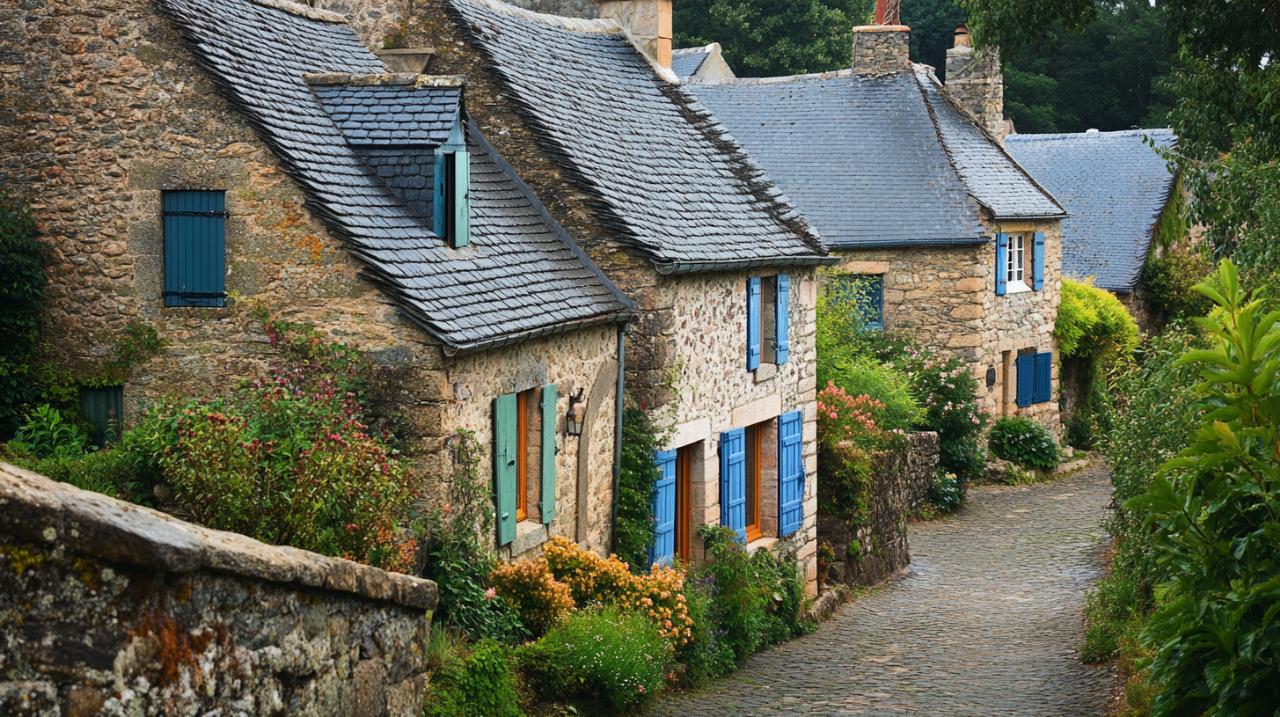
Nestled within the rugged charm of France's Brittany region, the distinctive architecture of traditional Breton houses stands as a testament to centuries of craftsmanship, resilience, and cultural pride. These dwellings, with their half-timbered frames, colourful facades, and slate roofs, weave together stories of medieval origins, Victorian embellishments, and a living heritage that continues to captivate both locals and visitors alike. From the cobblestone streets of Saint-Malo to the quiet hamlets dotted along the coast, every house echoes a narrative of community, history, and a deeply rooted connection to the land and sea.
The architectural character of traditional breton dwellings
Half-Timbered Designs and Colourful Facades: Defining Features of Breton Homes
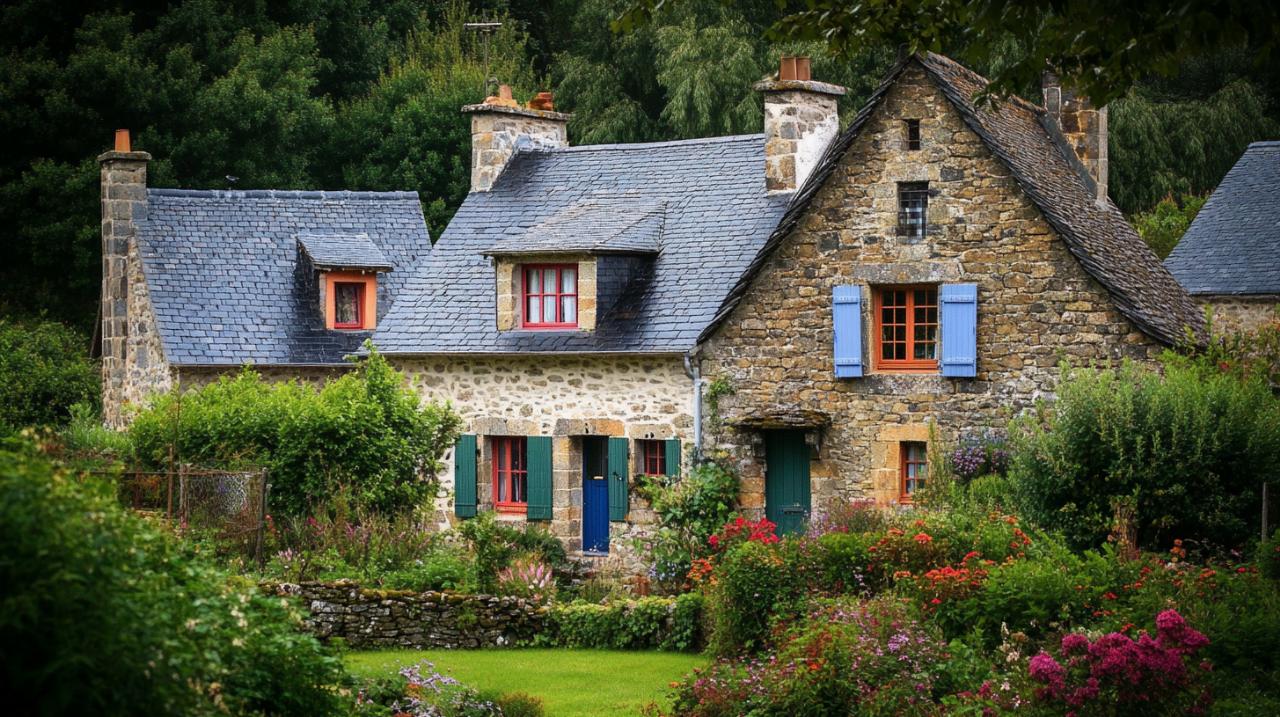
The visual identity of Breton houses is immediately recognisable, characterised by half-timbered construction that reveals the skeleton of wooden beams against rendered walls. These timber frames, often left exposed or painted in contrasting hues, create a striking pattern that has become synonymous with the region's architectural heritage. The facades are frequently adorned with vibrant colours, from deep blues and greens to warm ochres and reds, reflecting both the maritime culture and the artistic sensibilities of the inhabitants. This tradition of colourful exteriors not only enhances the aesthetic appeal but also serves as a protective layer against the harsh coastal weather that batters the region throughout much of the year.
Beyond mere decoration, the use of half-timbering in Breton homes was a practical solution born from the availability of local materials and the need for structural flexibility. The timber framework allowed walls to shift and settle without cracking, an important consideration in a region where the ground can be uneven and the climate unpredictable. The spaces between the beams were typically filled with a mixture of clay, straw, and sometimes stone rubble, providing insulation and stability. Over time, these functional elements became celebrated features, and the careful restoration of such details is now central to preserving the character of these historic buildings.
Materials and Craftsmanship: The Role of Stone, Wood, and Slate in Construction
Stone is the cornerstone of Breton residential architecture, sourced from the abundant granite and schist quarries that dot the landscape. The use of local stone not only ensured that homes were robust enough to withstand the region's tempestuous weather but also created a harmonious relationship between the buildings and their natural surroundings. Stonemasons employed traditional techniques passed down through generations, shaping each block by hand and fitting them together with minimal mortar, a skill that required precision and an intimate understanding of the material's properties.
Wood, particularly oak and chestnut, played an equally vital role in the construction of Breton houses. The timber was used extensively in framing, flooring, and interior fittings, with craftsmen selecting the best pieces for load-bearing structures. The durability of these woods meant that many original beams and posts remain intact in buildings that are several centuries old. The interplay between stone and wood is a defining characteristic of Breton architecture, with the solidity of stone providing a foundation and the flexibility of wood offering resilience and warmth.
Slate, quarried from the hills of Brittany, is the traditional roofing material that completes the iconic silhouette of Breton homes. The slate tiles, often laid in overlapping rows, create a waterproof barrier that has proven its worth over hundreds of years. The dark, lustrous surface of slate not only provides practical protection but also adds a distinctive aesthetic quality, contrasting beautifully with the lighter tones of stone walls and the vivid colours of painted facades. The craftsmanship involved in slate roofing is a specialised trade, with skilled roofers ensuring that each tile is precisely positioned to channel rainwater away and maintain the integrity of the structure.
Historical influences shaping breton residential architecture
Medieval Foundations and Victorian Touches: A Fusion of Eras
The architectural landscape of Brittany is a palimpsest of historical influences, with medieval foundations forming the bedrock upon which later styles were built. Many of the oldest Breton houses date back to the 15th century, a period when the region was a semi-independent duchy with its own distinct identity. These early structures were modest in scale, often consisting of a single room with a low ceiling and a central hearth. The simplicity of design reflected the economic realities of the time, yet the quality of construction and the use of durable materials ensured that many of these buildings have survived into the modern era.
As Brittany became more integrated into the kingdom of France following the unification in 1532, architectural styles began to evolve, incorporating elements from the broader French tradition. The Victorian era, in particular, left its mark on Breton houses, with the introduction of more elaborate decorative features such as ornate woodwork, intricate ironwork, and larger windows that allowed for greater light and ventilation. This fusion of medieval robustness and Victorian elegance created a unique aesthetic that is now cherished as a defining feature of Breton heritage. The interplay between old and new, simplicity and embellishment, is a testament to the region's ability to adapt while maintaining a strong sense of identity.
Cultural Heritage Reflected in Every Structure: Stories Embedded in Breton Houses
Each Breton house is more than a physical structure; it is a repository of stories, memories, and cultural traditions. The revival of traditional penty homes, for instance, highlights the enduring appeal of these modest dwellings. Originally built as single-room cottages for poor families, pentys were typically no larger than 25 square metres and featured low ceilings that created a cosy, intimate atmosphere. Despite their humble origins, these buildings are now protected by law due to their historical significance, with the oldest examples dating back to the 15th century. The restoration of pentys has become a specialised field, with architects such as Marion Filâtrre leading efforts to preserve their small scale and village charm while adapting them to modern living standards.
The cultural heritage reflected in Breton houses is also evident in the artistic movements that have influenced their decoration and design. The Seiz Breur art movement, which emerged in 1923, sought to celebrate and promote Breton identity through a distinctive visual language that combined traditional motifs with modern artistic techniques. This movement has left a lasting legacy, with many homeowners incorporating hand-painted plates depicting nautical scenes and Celtic designs, freehand willow motifs on curtains, and other bespoke elements that pay homage to the region's rich artistic traditions. The careful integration of these cultural references ensures that Breton houses remain living expressions of the area's history and identity.
Experiencing brittany's architectural legacy through its towns and streets
Saint-malo and beyond: notable cities showcasing breton architecture
Saint-Malo stands as one of the most celebrated examples of Breton architecture, a fortified coastal city where history and the sea are inextricably linked. The old town, enclosed within imposing ramparts, is a maze of narrow streets lined with tall stone houses, their facades weathered by centuries of salt air and storms. Walking through these streets offers a tangible connection to the past, with every building bearing the marks of its maritime heritage. The city's architecture reflects its strategic importance as a major port, with robust construction designed to withstand both military sieges and the relentless forces of nature.
Beyond Saint-Malo, the architectural riches of Brittany are on display in a multitude of towns and villages. Brest, with its maritime focus and reconstructed harbour quarter, showcases the resilience of the region in the face of wartime destruction and the commitment to honouring its seafaring legacy. The Oceanopolis discovery centre in Brest serves as a modern complement to the historic architecture, providing insight into the natural world that has shaped the region's development. Quimper, the cultural capital, is home to a wealth of historic buildings, including Gothic and Renaissance churches that blend seamlessly with traditional domestic architecture. The town of Locronan, recognised as a 'Small Town of Character', retains its medieval street plan and buildings that once housed the thriving sailcloth industry, a reminder of Brittany's economic importance in centuries past.
Concarneau, with its fortified site dating back to the 11th century, offers another glimpse into the region's architectural heritage. The walled town, accessible only by a narrow causeway, is a perfectly preserved example of medieval defensive architecture, with narrow streets and tightly packed houses that evoke a sense of stepping back in time. Vannes, located by the picturesque Gulf of Morbihan, is renowned for its well-preserved medieval and Renaissance architecture, with timber-framed houses leaning over cobbled streets and a cathedral that dominates the skyline. The Gulf of Morbihan itself, with its numerous islands including Arz Island and Ile aux Moines, provides a natural setting that enhances the architectural beauty of the towns and villages that dot its shores.
Cobblestone streets and interior traditions: the complete breton living experience
The experience of Breton architecture is not confined to the exterior of buildings; it extends into the cobblestone streets and the intimate interiors that define daily life in the region. The cobblestones, worn smooth by centuries of footfall, create a rhythmic texture underfoot, guiding visitors through the historic quarters and past doorways that open onto courtyards and gardens hidden from view. These streets, often too narrow for modern vehicles, foster a sense of community and continuity, linking the present with the past in a way that is both tangible and evocative.
Inside Breton homes, the traditions of craftsmanship and design continue to flourish. While the exteriors may be vibrant and eye-catching, the interiors tend to be more understated, reflecting a respect for tradition and a focus on comfort and functionality. Original features such as exposed timber beams, stone fireplaces, and terracotta floor tiles are carefully preserved during renovations, with modern amenities integrated in ways that do not compromise the historical integrity of the space. The restoration of an 18th-century farmhouse near Audierne by Benoit Rauzy and Anthony Watson during lockdown exemplifies this approach. Their renovation incorporated elements of the Seiz Breur art movement, including hand-painted curtains featuring a Wayne Pate vase design and freehand willow motifs, as well as bespoke plates depicting nautical scenes and Celtic designs. The farmhouse now serves as both a comfortable home and a celebration of Breton cultural identity.
The attention to detail in the interiors of Breton homes is matched by the care taken to preserve and enhance the natural surroundings. In the case of Rauzy and Watson, this extended to planting 2,000 willow seedlings in their yard, working with a local expert to cultivate the petite grisette variety, which is traditionally used for making wicker products. This commitment to eco-friendly production reflects a broader awareness of the challenges posed by climate change and the importance of sustainable practices in preserving the region's heritage. The willow, harvested at the end of winter using careful cutting and planting techniques, is part of a broader effort to maintain the agricultural traditions that have sustained Brittany for centuries, including corn cultivation and the maintenance of pear orchards.
The renovation of traditional Breton houses is not without its challenges, particularly when it comes to balancing modern regulations with the preservation of historical features. Insulation and environmental standards must be met without compromising the character of low-ceilinged pentys or the structural integrity of centuries-old stone walls. Architectural practices now specialise in penty restoration, offering custom solutions that adhere to these regulations while respecting the original design. The costs associated with such work are substantial, averaging around £500 per square metre, which can place these properties beyond the reach of average buyers. However, the investment is justified by the unique character and historical significance of these homes, which are increasingly sought after as second homes and investment properties by both local and international clients.
The revival of traditional Breton dwellings is part of a broader appreciation for the region's architectural legacy, which extends to the conservation of medieval towns, the restoration of ancient standing stones at Carnac, and the preservation of the Breton language, which is spoken by between 250,000 and 500,000 people. This living heritage is supported by a robust tourism infrastructure, with a comprehensive rail network and a variety of accommodation options including guesthouses and camping facilities. The best time to experience Brittany is during the summer months of July and August, when temperatures reach around 25 degrees Celsius, making it ideal for exploring the rugged 2,700 kilometres of coastline and the numerous historical sites that define the region.
As visitors wander through the cobblestone streets of towns such as Dinard, Concarneau, Vannes, Roscoff, and Perros-Guirec, they encounter not just buildings but the tangible expression of a culture that has endured and evolved over centuries. The architectural journey through Brittany is a journey through time, revealing the layers of history, craftsmanship, and community that have shaped the region's identity and continue to inspire admiration and respect.