
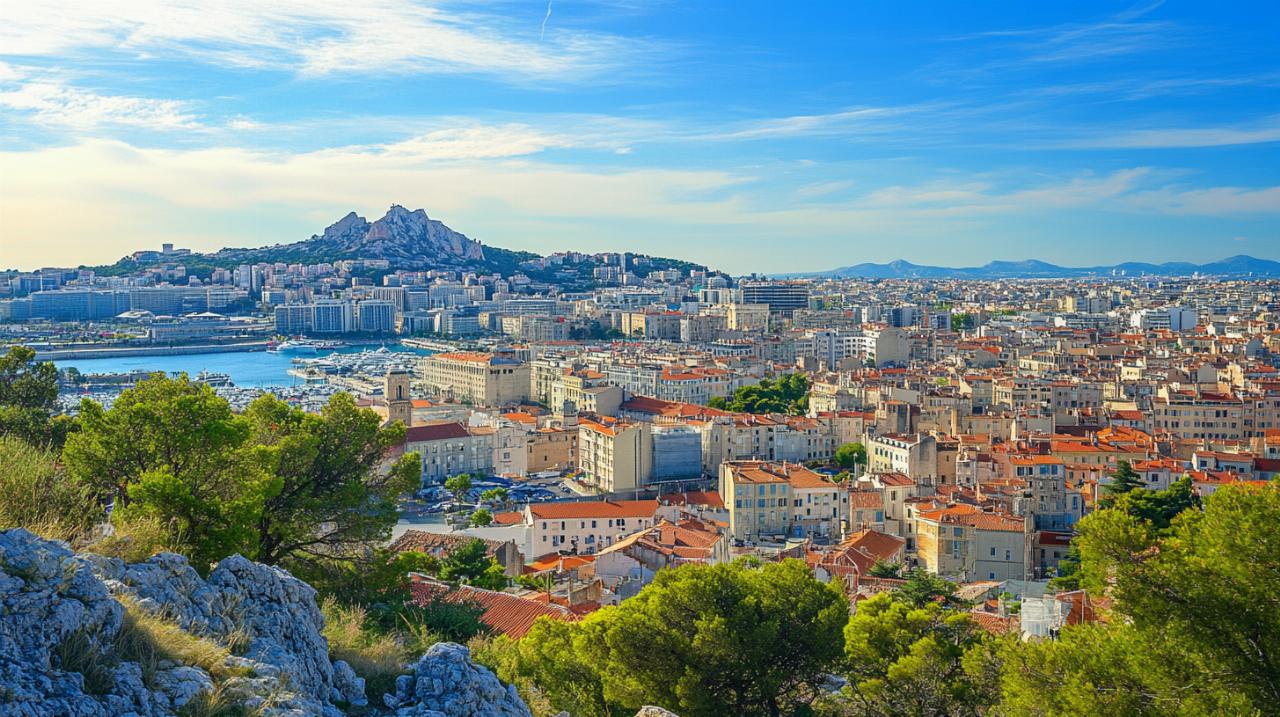
Marseille stands as France's second-largest metropolis, a sun-drenched port city where Mediterranean charm meets urban complexity. For those contemplating a move to this vibrant destination, understanding the geographical and social landscape proves essential. Whilst the city offers remarkable cultural richness, stunning coastal scenery, and a distinct Provençal character, prospective residents must navigate thoughtfully between arrondissements to ensure their new neighbourhood aligns with both lifestyle aspirations and practical safety considerations.
Understanding marseille's arrondissements: a district-by-district safety guide
Marseille divides into sixteen arrondissements, each possessing its own distinct personality and varying degrees of security. The city's reputation as a location with elevated crime concerns stems largely from specific zones rather than the entirety of its urban fabric. Research indicates that Marseille registers a crime index approaching sixty-seven, positioning it among European cities requiring heightened vigilance. This statistic, whilst sobering, does not paint the complete picture, as safety levels fluctuate dramatically depending on which district you choose to call home.
The northern districts: security concerns and practical realities
The Quartiers Nord represent perhaps the most challenging areas for newcomers to Marseille. These northern arrondissements have historically grappled with socioeconomic difficulties, and certain pockets within this zone experience disproportionately high rates of violent incidents and gang-related activity. La Castellane, for instance, has gained notoriety for arms smuggling and organised crime tensions, whilst Felix Pyat witnesses periodic outbreaks of gang warfare that make daily life unpredictable for residents. These realities stem from complex social factors including unemployment, limited opportunities, and historical neglect rather than any intrinsic characteristic of the communities themselves.
Belsunce, situated closer to the city centre, presents a different set of challenges. This district attracts tourists due to its proximity to major landmarks, yet simultaneously experiences elevated rates of street crime and confidence schemes targeting visitors. After darkness falls, the atmosphere transforms considerably, with theft and assault becoming more prevalent concerns. La Canebière, the famous thoroughfare running from the Old Port inland, similarly experiences significant issues with drug trafficking and petty theft, particularly during evening hours. For those considering residence in these areas, enhanced security precautions become non-negotiable aspects of daily routine.
Navigating the Central and Southern Zones: Finding Your Ideal Balance
Marseille's southern and eastern arrondissements offer considerably more reassuring prospects for prospective residents. The seventh and eighth districts, for example, provide access to beaches, the Prado shopping area, and generally calmer residential streets. These zones attract families and professionals seeking proximity to the Mediterranean whilst maintaining reasonable safety standards. The atmospheric Old Port area itself occupies an interesting middle ground: whilst pickpocketing and tourist-focused scams occur with regularity around this landmark, the immediate surroundings have undergone significant regeneration and attract a cosmopolitan mix of residents.
The second arrondissement encompasses diverse micro-neighbourhoods, some charming and others requiring caution. Areas near the renovated docks and cultural institutions like the MuCEM museum demonstrate how investment and cultural programming can transform urban spaces. Meanwhile, the fifth and tenth arrondissements present affordable housing options with improving infrastructure, though prospective tenants should visit multiple times and at different hours before committing to a lease. Understanding these nuances proves crucial, as a mere few streets can separate a thriving, secure neighbourhood from one experiencing persistent challenges.
Property prices and housing quality across marseille's diverse neighbourhoods
The property market in Marseille reflects the city's stark geographical divisions, with pricing varying dramatically based on arrondissement location and specific street addresses. Southern coastal districts command premium rates, whilst northern zones offer significantly more affordable entry points. This economic reality creates both opportunities and dilemmas for newcomers attempting to balance budget constraints against quality of life considerations.
Budget-friendly areas versus premium districts: what your money gets you
In the sought-after seventh and eighth arrondissements, property prices reflect the desirability of beach proximity, green spaces, and generally superior security conditions. Flats in these zones offer modern amenities and well-maintained common areas, though they command correspondingly higher rents and purchase prices. The first arrondissement, encompassing parts of the historic centre and the reformed harbour district, similarly attracts those willing to invest in location and lifestyle, with renovated apartments in character buildings fetching substantial sums.
Conversely, the northern arrondissements present considerably more accessible pricing, which initially appears attractive to budget-conscious movers. However, potential savings must be weighed against factors including building maintenance standards, local amenities, and the previously discussed security considerations. Properties in areas experiencing social difficulties may suffer from deferred maintenance, limited nearby services, and challenges that impact daily comfort. A thorough cost-benefit analysis becomes essential, factoring not merely the monthly rent but also transport expenses, insurance premiums, and the intangible value of peace of mind.
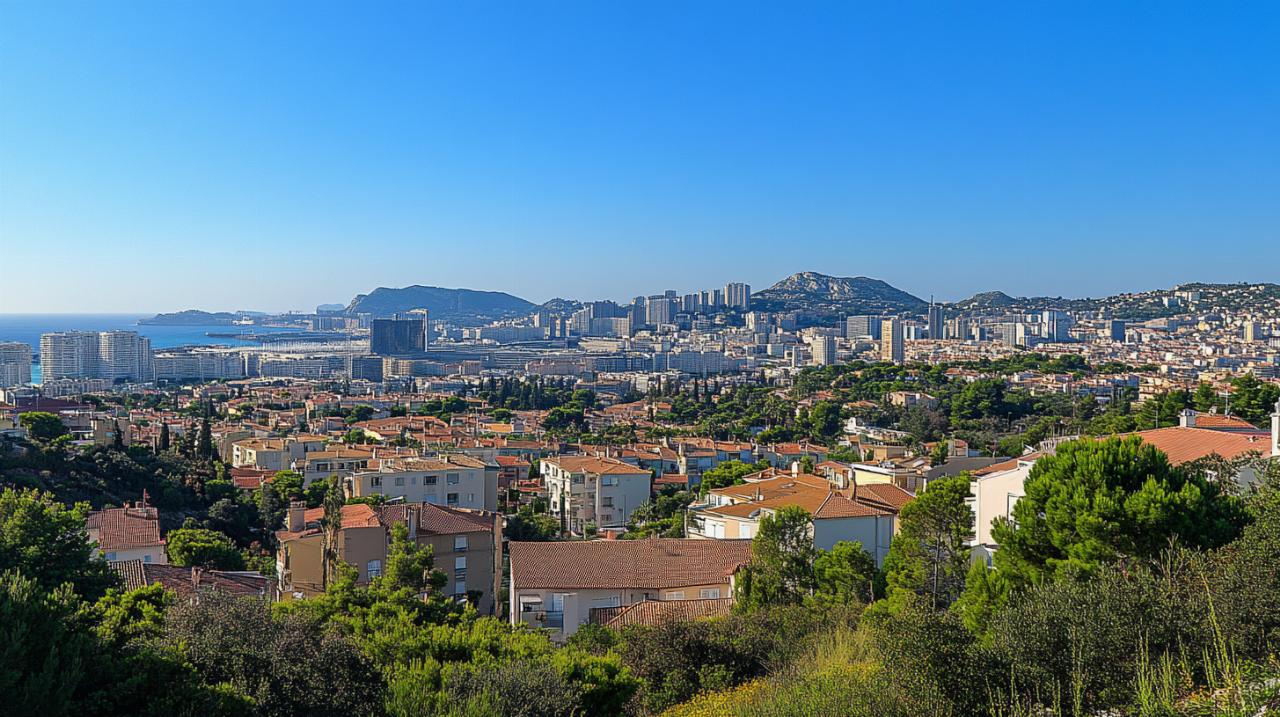
Flat-hunting tips: assessing local amenities and transport links
When searching for accommodation, prospective residents should investigate the immediate environment thoroughly. The presence of quality local shops, reliable pharmacies, welcoming cafés, and community resources indicates a neighbourhood with social cohesion and economic vitality. Areas dominated by shuttered storefronts or lacking basic services may signal underlying difficulties that affect residential satisfaction beyond mere safety statistics.
Transport connectivity matters enormously in a city as geographically spread as Marseille. The metro system, whilst efficient in connecting major zones, unfortunately serves as a frequent location for pickpocketing and mugging, particularly during evening hours. Districts well-served by multiple transport options, including bus routes and proximity to metro stations used by diverse passenger populations, generally indicate better-integrated neighbourhoods. However, reliance on public transportation after dark requires additional vigilance, with many long-term residents opting for alternative arrangements during late hours. Parking availability and road access also merit consideration, as Marseille's topography and traffic patterns can transform a short distance on a map into a lengthy commute in practice.
Lifestyle factors: matching your living preferences to marseille's character
Beyond security and affordability, the question of lifestyle compatibility determines whether a move to Marseille ultimately succeeds. This city possesses an unmistakable character: simultaneously rough-edged and charming, cosmopolitan yet deeply rooted in Provençal traditions. Different arrondissements offer vastly different daily experiences, from bohemian artistic quarters to family-oriented suburbs.
Old port charm versus modern developments: weighing up daily life
The reconstructed areas around the Vieux Port showcase Marseille at its most polished, with pedestrianised zones, cultural venues, and a concentration of restaurants serving the city's famous bouillabaisse. Living near this historic heart places residents within walking distance of architectural landmarks and a genuine sense of Mediterranean urbanism. However, this centrality comes with persistent crowds, higher noise levels, and the aforementioned prevalence of opportunistic crime targeting tourists and distracted locals alike.
Modern residential developments in the southern and eastern fringes offer an entirely different proposition: quieter streets, purpose-built apartment blocks with parking and security features, and a more suburban atmosphere. These zones suit families and those prioritising comfort and safety over immediate access to historic character. The trade-off involves potentially longer commutes to cultural attractions and employment centres, alongside a living experience that may feel somewhat removed from the authentic Marseillaise identity that draws many newcomers to the city initially.
Access to Green Spaces, Calanques, and Cultural Attractions by Area
Marseille's greatest natural asset lies just beyond its urban boundaries: the Calanques National Park, where dramatic limestone cliffs plunge into turquoise Mediterranean waters. Residents of the southern arrondissements enjoy relatively straightforward access to these natural wonders, transforming weekend leisure possibilities. Public parks within the city itself vary considerably by district, with the seventh and eighth arrondissements offering well-maintained green spaces suitable for recreation, whilst some northern zones lack equivalent facilities.
Cultural life in Marseille concentrates around specific hubs, including the rejuvenated dock areas, the Panier historic quarter, and the Cours Julien district known for its street art and alternative venues. Choosing accommodation with consideration for accessing these cultural resources enhances daily satisfaction significantly. The city's multicultural character manifests differently across arrondissements, with certain districts showcasing remarkable diversity through markets, restaurants, and community spaces that reflect Marseille's position as a historic gateway between Europe and the Mediterranean world. Embracing this cosmopolitan dimension, whilst remaining informed about practical realities, allows newcomers to experience the city's genuine richness rather than retreating into isolated enclaves. Ultimately, successful relocation to Marseille demands careful research, realistic expectations, and a willingness to engage thoughtfully with both the opportunities and challenges this complex, captivating city presents.