

Urban living has undergone a remarkable transformation in recent years, with more individuals seeking out distinctive spaces that blend character with convenience. For those who thrive on connection and community, loft apartments present an intriguing proposition. These open-plan dwellings, often nestled in the heart of bustling city centres, offer a lifestyle that is as much about socialising as it is about personal retreat. Yet, the decision to embrace loft living involves weighing a range of factors, from the joy of high ceilings and expansive layouts to the practical concerns of heating and privacy.
The Allure of Loft Living: Why Social Butterflies Are Drawn to Open-Plan Urban Spaces
Architectural Character and Artistic Flair in City Centre Locations
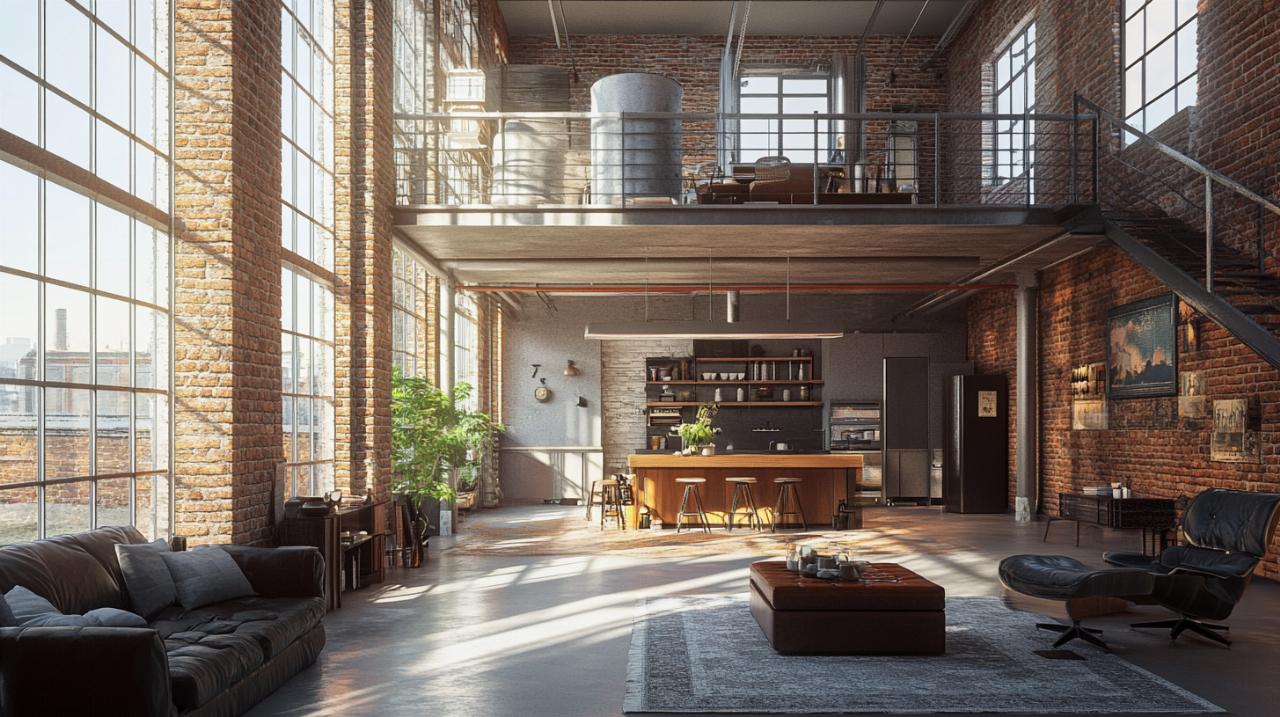
Loft apartments have captured the imagination of urbanites who appreciate the fusion of historical charm and contemporary design. These spaces, often converted from former industrial buildings, retain features such as exposed brickwork, large windows, and robust structural elements that tell a story of their past. The aesthetic appeal is undeniable, with interiors that lend themselves to creative expression and personalisation. For individuals who enjoy hosting gatherings or simply relish the idea of living in a space that feels more like an art gallery than a conventional flat, lofts offer an environment that is both inspiring and adaptable.
The location of many loft developments further enhances their appeal. Situated in vibrant city centres, these properties provide immediate access to cafes, cultural venues, and thriving social scenes. For those who thrive on interaction and spontaneity, the proximity to such amenities makes loft living an ideal choice. The very structure of these urban spaces invites exploration and engagement, whether it is a leisurely stroll to a nearby gallery or an impromptu evening at a local eatery. The lifestyle afforded by loft living is one that celebrates connectivity and the pulse of city life, making it a magnet for social butterflies seeking to immerse themselves in a dynamic community.
How open layouts and high ceilings facilitate social gatherings
One of the most celebrated features of loft apartments is their open-plan layout. Unlike traditional homes with segmented rooms, lofts present a fluid space where living, dining, and kitchen areas merge seamlessly. This design philosophy not only maximises the sense of space but also creates an environment that is inherently social. When friends and family visit, the absence of walls means that conversation flows naturally, and hosts can engage with guests while preparing meals or moving between different areas. The result is an atmosphere that feels inclusive and welcoming, perfectly suited to those who enjoy entertaining.
High ceilings further amplify the grandeur of loft living. The vertical space not only contributes to an airy and light-filled environment but also allows for creative interior design choices. Whether it is the installation of statement lighting fixtures or the use of mezzanine levels to delineate different zones, the possibilities are vast. For social gatherings, these generous proportions mean that even larger groups can be accommodated comfortably without the space feeling cramped. The sense of openness and freedom that high ceilings provide is a defining characteristic of loft living, one that enhances both daily routines and special occasions.
Navigating the Challenges: Noise, Privacy, and Practicalities of Loft Life
Managing Sound Levels and Lack of Privacy in Spacious Open Areas
While the open-plan nature of loft apartments offers many benefits, it also presents certain challenges that prospective residents must consider. The absence of walls means that sound travels freely throughout the space, which can be both a blessing and a hindrance. For social butterflies who love the buzz of activity, this may not pose a problem during gatherings. However, for those sharing the loft with partners or flatmates, the lack of acoustic separation can lead to disruptions. Activities in the kitchen or living area can easily disturb someone working or resting elsewhere in the loft, making it difficult to find moments of solitude or quiet.
Privacy is another aspect that requires thoughtful consideration. In traditional homes, separate rooms offer a retreat from shared spaces, allowing individuals to pursue personal activities without interruption. In a loft, the open layout means that there are fewer opportunities for genuine seclusion. This can be particularly challenging for families or those who value personal space. While creative solutions such as room dividers or strategically placed furniture can help delineate areas, they cannot entirely replicate the sense of enclosure that walls provide. For those accustomed to more conventional living arrangements, adapting to the transparency of loft life may require a shift in mindset and lifestyle habits.
Heating Costs and Structural Considerations for Larger Living Spaces
The spaciousness of loft apartments, while visually impressive, can also lead to practical concerns. Larger living areas combined with high ceilings mean that heating such spaces can be both challenging and costly. During colder months, maintaining a comfortable temperature throughout the entire loft may require more energy than a smaller, more segmented flat. Prospective loft dwellers should therefore pay close attention to the quality of insulation and the efficiency of the heating system. Without adequate insulation, heat can dissipate quickly, leading to higher utility bills and potential discomfort.
Structural considerations also play a significant role in the suitability of a loft for long-term living. The integrity of the building, including the condition of walls, brickwork, and overall construction, must be thoroughly assessed before committing to a purchase or lease. Older conversions may come with charm and character, but they can also present issues such as dampness or insufficient ventilation. Ensuring that the property has been properly maintained and that any necessary repairs have been carried out is essential. Additionally, for those considering modifications or personalisation, understanding the structural limitations and possibilities of the space is crucial to avoid costly mistakes.
Making the Right Choice: Assessing Loft Suitability for Your Lifestyle and Budget
Comparing Lofts to Traditional Houses and Apartments for Families and Individuals
Deciding whether a loft apartment is the right fit involves a careful comparison with more traditional housing options. For individuals or couples without children, the open-plan nature of a loft can be an asset, offering a modern and flexible living environment. However, for families with young children, the lack of separate rooms and potential safety concerns related to open staircases or mezzanine levels may make lofts less practical. The unique characteristics of each loft mean that suitability varies greatly depending on personal circumstances and lifestyle preferences.
When comparing lofts to traditional apartments or houses, it is important to consider not only the layout but also the amenities and services included. Some loft developments offer concierge services, communal gardens, or rooftop terraces, which can enhance the living experience and foster a sense of community. Others may be more basic, requiring residents to rely on nearby public amenities. Understanding what is included and how it aligns with your daily needs is essential. Additionally, the real estate market for lofts can vary significantly, with prices reflecting factors such as location, building quality, and proximity to transport links. Being informed about these variations helps ensure that you make a sound financial decision.
Evaluating building condition, amenities, and real estate market variations
Before committing to a loft, a thorough evaluation of the building's condition is paramount. Prospective buyers or renters should inspect the structural integrity of the property, paying particular attention to elements such as walls, brickwork, and the overall state of the conversion. Issues such as dampness or inadequate ventilation can undermine the comfort and health of residents, making it crucial to address these concerns upfront. Engaging a qualified surveyor or building inspector can provide peace of mind and uncover any hidden problems that might not be immediately apparent.
Amenities within the building and the surrounding area also merit close consideration. Access to communal facilities, secure entry systems, and well-maintained common areas can significantly enhance the appeal of loft living. For social butterflies, the availability of communal spaces for gatherings or events can further enrich the experience. Additionally, understanding the dynamics of the local real estate market is important. Prices for loft apartments can fluctuate based on factors such as desirability of the neighbourhood, proximity to cultural and commercial hubs, and the overall economic climate. Being aware of these trends enables prospective residents to make informed decisions and negotiate more effectively.
Ultimately, loft living offers a distinctive blend of style, space, and urban connectivity that can be immensely rewarding for those who value social interaction and creative expression. However, the decision to embrace this lifestyle must be grounded in a realistic assessment of both the benefits and the challenges. By carefully considering factors such as noise, privacy, heating costs, and building quality, individuals can determine whether a loft apartment aligns with their personal and financial goals. For those who do make the leap, the experience can be transformative, offering a home that is not just a place to live but a canvas for vibrant community living.