
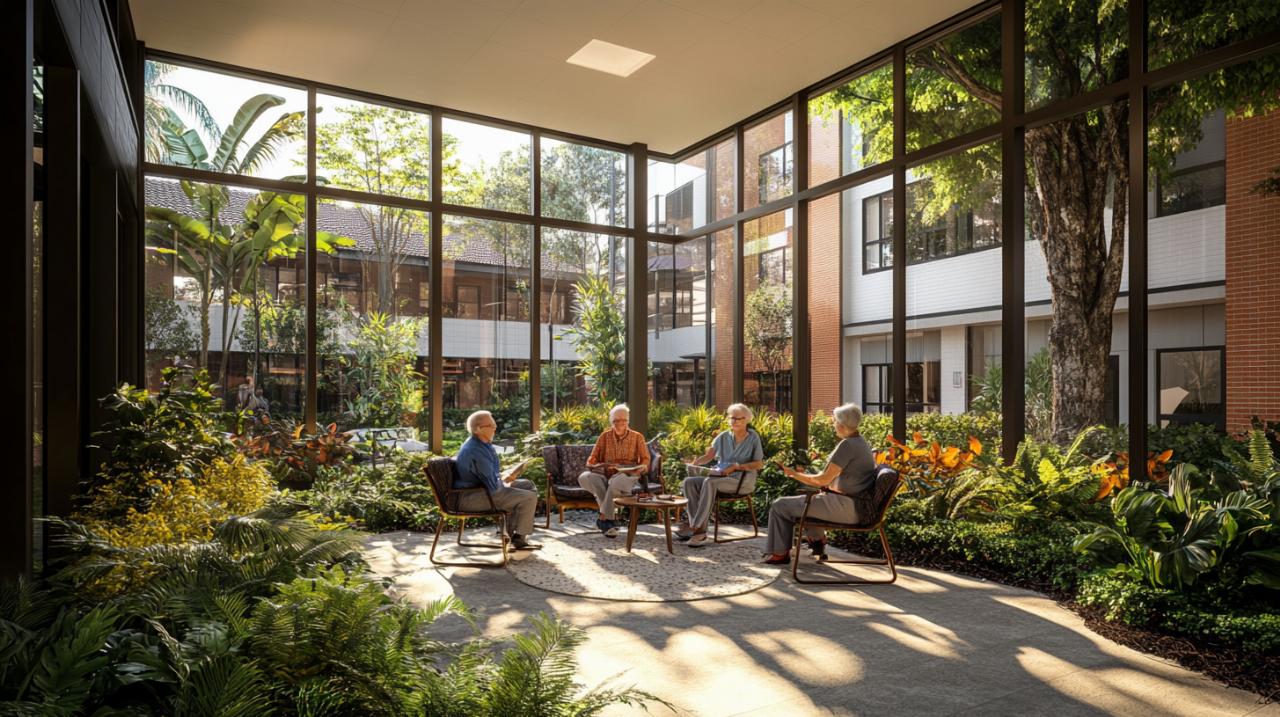
As the United Kingdom witnesses a profound demographic transformation, with a growing proportion of its population entering later life, innovative solutions are emerging to redefine how older adults experience their twilight years. Shared housing for seniors is rapidly gaining momentum, offering a compelling alternative to traditional care homes and isolated living arrangements. This model champions communal living, allowing elderly individuals to maintain their independence whilst benefiting from companionship, shared services, and mutual support. The appeal lies not only in the social and economic advantages but also in the ability to address the nuanced challenge of ensuring compatibility amongst residents, fostering harmonious cohabitation in environments tailored to diverse needs.
The Rising Popularity of Shared Housing for Older Adults
Why Communal Living is Gaining Traction Amongst the Elderly
The concept of ageing in place has long been cherished by older adults, reflecting a deep-seated desire to remain in familiar surroundings for as long as circumstances permit. However, the practicalities of maintaining a household can become increasingly daunting with age, particularly for those living alone. Shared housing offers a middle ground, enabling seniors to retain their autonomy whilst enjoying the benefits of a supportive community. This arrangement typically involves multiple older adults or intergenerational housemates sharing a residence, with responsibilities and costs distributed amongst inhabitants. The model has gained traction as it directly addresses the dual challenges of social isolation and the financial burden associated with elderly care.
A significant driver behind this boom is the stark reality of the ageing population in the United Kingdom. Current statistics reveal that approximately 12.7 million individuals aged 65 or over reside in the country, representing nearly one-fifth of the total population. Projections suggest this figure will climb to about 22.1 million by the year 2072, accounting for more than a quarter of the populace. This demographic shift places immense pressure on traditional care infrastructure and compels families and policymakers alike to explore alternative solutions. Shared accommodation exchange and homesharing arrangements have emerged as practical responses, offering flexibility and personalisation that institutional settings often lack.
The Social and Economic Benefits of Shared Accommodation for Pensioners
One of the most compelling advantages of shared housing for seniors is the profound impact on social well-being. Loneliness and isolation are prevalent concerns amongst the elderly, with many experiencing reduced contact with friends and family as they age. Communal living inherently fosters companionship, providing daily opportunities for interaction, conversation, and mutual assistance. Research into homesharing experiences has identified companionship as a primary benefit, alongside practical support with everyday tasks and the emotional reassurance that comes from knowing help is close at hand. These social connections can significantly enhance quality of life, contributing to better mental health outcomes and a stronger sense of belonging.
From an economic perspective, the cost comparison between shared housing and traditional care alternatives is striking. Care home placements can demand between £800 and £1,500 per week, whilst live-in care arrangements typically range from £1,000 to £1,800 per week. In contrast, homeshare arrangements can be maintained for as little as £5.50 per day, making them an exceptionally affordable option for families seeking to support elderly relatives without incurring prohibitive care home costs. This financial accessibility is particularly relevant given that approximately 74 per cent of individuals aged 60 to 69 enjoy mortgage-free homes, providing a stable foundation for hosting homesharers or participating in communal living schemes. The economic relief extends beyond the household, with employers also benefiting from reduced absenteeism and enhanced employee retention as caregiving responsibilities become more manageable.
Addressing Compatibility Challenges in Multigenerational and Senior Shared Homes
Strategies for Matching Housemates and Ensuring Harmonious Cohabitation
Despite the numerous advantages, shared housing for seniors is not without its complexities. One of the most significant hurdles involves ensuring compatibility between residents, particularly in intergenerational living arrangements where younger homesharers cohabit with older householders. The success of such schemes hinges on careful matching processes that consider personality traits, lifestyle preferences, and the specific needs of both parties. Agencies facilitating homesharing typically conduct thorough interviews, safeguarding checks, and trial periods to ensure a good fit before formalising arrangements. This meticulous approach helps to mitigate potential conflicts and lays the groundwork for mutually beneficial relationships.
Privacy concerns and interpersonal dynamics represent common challenges in communal living environments. Sharing space and time can test even the most compatible individuals, with differences in daily routines, cleanliness standards, and social expectations occasionally leading to friction. Navigating these interpersonal relationships requires clear communication, mutual respect, and a willingness to compromise. Agencies play a crucial role in setting expectations, providing guidance on boundaries, and offering resources to help residents adapt to cohabitation. The trial period serves as an invaluable opportunity for both parties to assess whether the arrangement meets their needs, with the option to part ways amicably if compatibility proves elusive.

Support Services and Mediation Programmes to Resolve Conflicts Between Residents
Ongoing support is a cornerstone of successful shared housing arrangements, ensuring that minor disagreements do not escalate into significant conflicts. Mediation programmes and dedicated support services provide residents with access to professional guidance when challenges arise. These services may include regular check-ins from agency coordinators, access to conflict resolution workshops, and the provision of resources addressing common issues in communal living. By proactively addressing concerns and facilitating open dialogue, these programmes help to maintain harmony and prevent the breakdown of otherwise positive arrangements.
The role of agency facilitation extends beyond initial matching and mediation. Agencies monitor relationships over time, offering reassurance and intervention as needed. This oversight is particularly important in arrangements involving elderly relatives who may be vulnerable or require additional safeguarding measures. Research underscores the value of such involvement, highlighting that well-supported homesharing arrangements can reduce the risk of institutionalisation and enable older adults to maintain their independence for longer periods. For families, this translates into peace of mind, knowing that their loved ones are not only housed but also cared for within a framework that prioritises safety and well-being.
Innovative Models and Future Prospects for Senior Shared Housing
Intergenerational Living Schemes and Their Impact on Community Well-being
Intergenerational living represents one of the most innovative and socially impactful models within the shared housing movement. These arrangements pair older householders with younger homesharers, typically students or young professionals, creating a symbiotic relationship that benefits both parties. The householder gains companionship, assistance with daily tasks, and the reassurance of having someone nearby in case of emergencies. Meanwhile, the homesharer enjoys affordable accommodation in exchange for a modest commitment of around ten hours of help per week, which focuses on companionship rather than medical care or intensive caregiving responsibilities.
The social benefits of intergenerational homesharing extend beyond the individual household, fostering broader community connections and challenging age-related stereotypes. Frequent contact between older adults and younger individuals promotes mutual understanding, with younger participants gaining valuable insights into the experiences and perspectives of older generations. This exchange can reduce ageism and encourage more inclusive attitudes across society. Moreover, intergenerational living schemes contribute to the prevention of absenteeism in the workplace and support work-life balance for employees managing caregiving responsibilities. Employers increasingly recognise the value of such arrangements, with many offering flexible care solutions and financial support to staff juggling employment and the care of elderly relatives.
Personalised Care and Tailored Support Frameworks for Diverse Elderly Needs
The future of shared housing for seniors lies in the continued development of personalised care and tailored support frameworks that accommodate the diverse needs of the ageing population. Not all older adults require the same level of assistance or prefer identical living arrangements. Some may thrive in bustling communal environments, whilst others favour quieter, more intimate settings. Recognising this diversity, innovative models are emerging that offer a spectrum of options, from specialised senior residences with on-site amenities to informal homeshare arrangements managed through local community networks.
Policies supporting homesharing and shared accommodation exchange are essential to the sustainability and expansion of these initiatives. Governments and local authorities can play a pivotal role by providing funding for agencies, offering tax incentives for householders and homesharers, and promoting awareness of the benefits of communal living amongst older adults and their families. As the demographic shift continues and the proportion of individuals aged 65 and over rises, the demand for flexible, affordable, and socially enriching housing solutions will only intensify. By investing in these models now, society can ensure that the growing number of elderly individuals are supported to live comfortably, maintain their health, and enjoy fulfilling social connections well into their later years.