
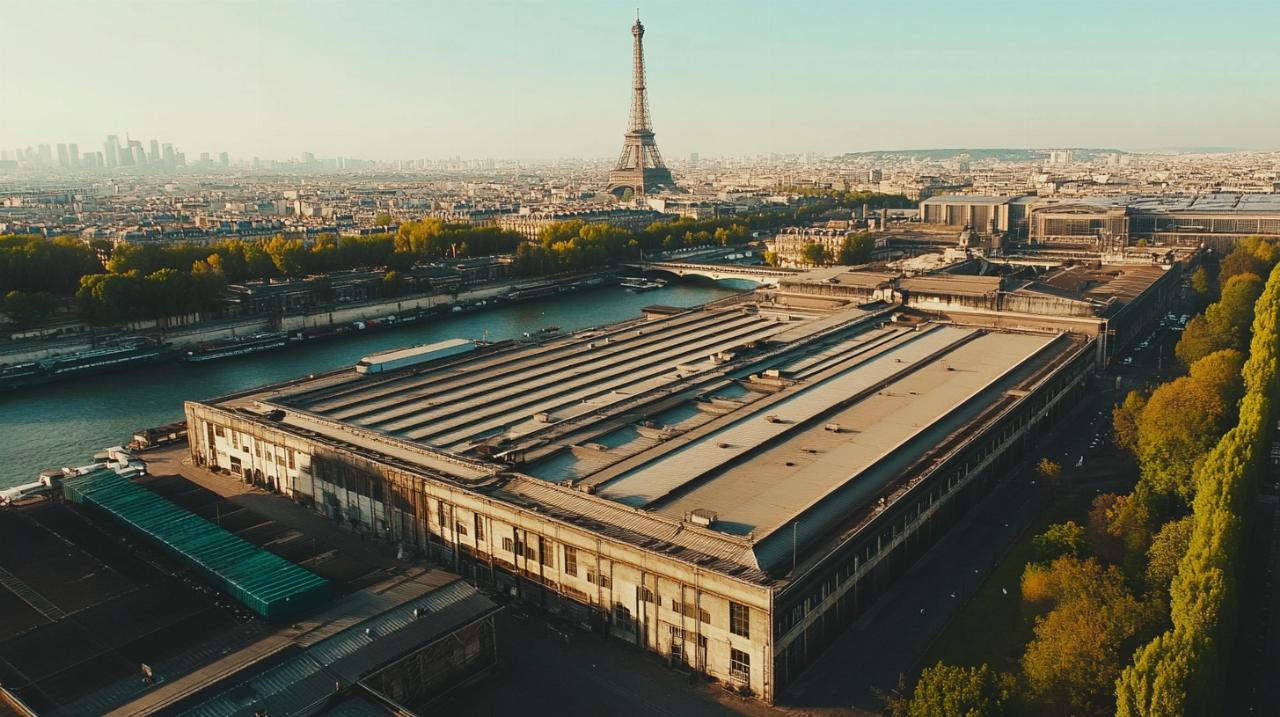
The quest for suitable industrial premises in Paris presents both challenges and opportunities for businesses seeking to establish or expand their operations within one of Europe's most dynamic commercial centres. Whether the requirement is for expansive warehouse space, mixed-use facilities combining office and storage functions, or specialised environments suited to sectors ranging from logistics to biotechnology, understanding the nuances of what the Parisian market offers is essential. With the Île-de-France region holding the distinction of being Europe's leading area by GDP, the demand for well-specified industrial properties remains robust, yet finding the ideal premises requires careful consideration of structural features, location advantages, and commercial viability.
Key Physical Characteristics and Structural Features of Parisian Industrial Properties
When evaluating industrial premises for sale in Paris, prospective buyers must pay close attention to the fundamental physical attributes that determine a property's suitability for operational needs. The specifications of a warehouse or industrial space extend far beyond mere floor area, encompassing critical elements such as ceiling heights, load-bearing capacities, and the overall configuration of the building envelope. These characteristics directly influence the types of activities that can be accommodated and the efficiency with which goods can be stored, processed, or distributed.
Ceiling heights, floor loading capacity, and warehouse dimensions
Ceiling height stands as one of the most decisive factors in warehouse functionality, particularly for businesses that rely on vertical storage systems or require clearance for specialised equipment. Industrial premises in and around Paris typically offer varying ceiling heights, with modern facilities often providing clearances that enable the installation of multi-level racking systems, thereby maximising the use of available cubic space. Equally important is the floor loading capacity, which dictates the weight that can safely be supported per square metre. Properties intended for heavy industrial use or dense storage operations must demonstrate robust structural engineering, with reinforced floors capable of bearing significant loads without risk of compromise. The overall dimensions of the warehouse space, including both the footprint and the internal layout, determine how effectively a business can organise its operations, accommodate delivery vehicles, and manage workflow efficiency.
Facade Configurations and Loading Bay Accessibility for Commercial Operations
The external design and access provisions of industrial premises play a pivotal role in daily operations, particularly for businesses engaged in logistics and distribution. Facade configurations that include multiple loading bays, wide access points, and secure docking facilities enable seamless transfer of goods between vehicles and storage areas. Properties with well-designed facades often incorporate levelling docks, canopies for weather protection, and sufficient manoeuvring space for heavy goods vehicles. The accessibility of these loading areas directly impacts operational efficiency, reducing turnaround times and minimising disruption to surrounding traffic. For commercial operations that require frequent deliveries or dispatches, the number and positioning of loading bays can be as critical as the internal storage capacity itself. Furthermore, the structural integrity and thermal performance of the building facade contribute to energy efficiency and climate control, factors that are increasingly prioritised by businesses seeking to reduce operational costs and meet environmental standards.
Location Advantages and Transport Infrastructure in Paris Industrial Zones
The strategic positioning of industrial premises within or near Paris is a defining element of their commercial value. Proximity to key transport networks, accessibility for employees and suppliers, and the character of the surrounding environment all contribute to a property's appeal and long-term viability. The Île-de-France region benefits from an extensive and well-integrated transport infrastructure, yet the specific location of a warehouse or industrial facility can significantly influence both operational costs and market reach.
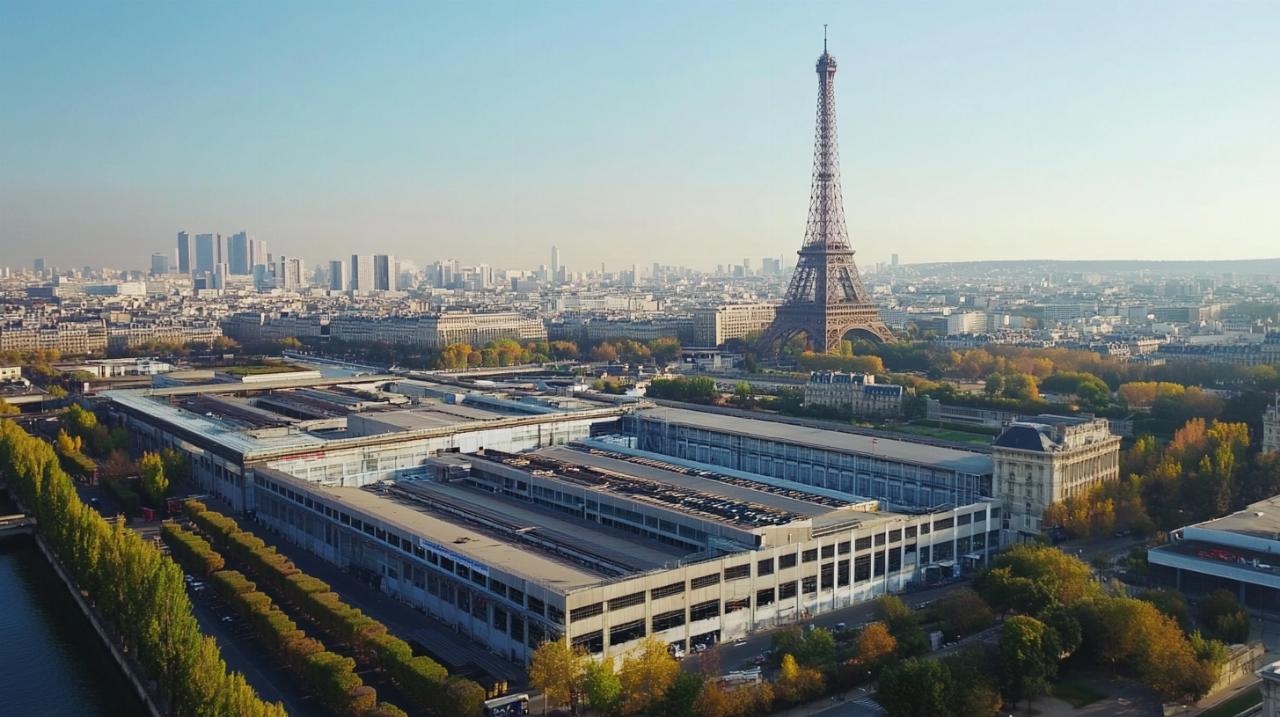
Proximity to Metro Networks and Major Motorway Connections
Access to Paris's comprehensive metro and rail networks enhances the attractiveness of industrial premises by facilitating the movement of personnel and supporting efficient supply chain operations. Properties situated within reasonable distance of metro stations or regional rail hubs offer employees convenient commuting options, which can be a significant factor in recruitment and retention. Beyond passenger transport, the proximity of major motorway connections is crucial for businesses reliant on road freight. The network of autoroutes encircling and radiating from Paris provides direct links to other French regions and international markets, making well-connected industrial sites particularly valuable for logistics and distribution enterprises. The ease with which goods can be transported to and from a premises influences not only operational efficiency but also the cost structures associated with distribution, warehousing, and inventory management. As such, properties that combine accessibility to both public transport and major road arteries command premium interest in the market.
Environmental considerations and surrounding business districts
The environment surrounding an industrial property can have far-reaching implications for its operational success and regulatory compliance. Areas within the Île-de-France region vary considerably in character, from densely urbanised zones within central arrondissements to more spacious business parks on the periphery. Properties located in established business districts benefit from proximity to complementary services, supplier networks, and customer bases, while those in dedicated industrial zones may offer greater operational flexibility and lower exposure to noise or environmental restrictions. Businesses must also consider the environmental profile of a location, including air quality, noise levels, and potential constraints related to zoning regulations. Furthermore, operational costs in certain business parks can be considerably lower than Parisian averages, with some reports suggesting savings of up to thirty per cent, alongside additional benefits such as reduced office taxes and access to training and recruitment assistance. The surrounding environment thus influences not only day-to-day operations but also the broader cost-benefit equation of establishing or relocating a business presence.
Commercial Viability and Occupancy Potential for Industrial Spaces
Understanding the commercial potential of industrial premises requires a thorough assessment of market dynamics, including current rental trends, sale price benchmarks, and the adaptability of spaces to diverse business needs. The Parisian property market is characterised by high demand and competitive pricing, yet opportunities exist for savvy investors and occupiers who can identify properties that align with their strategic objectives and operational requirements.
Current rental markets and sale price benchmarks across parisian arrondissements
The rental and sale markets for industrial and commercial premises in Paris reflect the diversity of the city's districts, with pricing structures varying according to location, size, and specification. Rental options span a wide range of property types, from compact shop units in central arrondissements to expansive warehouse facilities in more industrial zones. For instance, a modest commercial space of forty-five square metres might command a monthly rental in the region of two thousand five hundred euros, while larger office premises of one hundred and eighty square metres could be priced at fifty euros per square metre per annum. Similarly, properties available for sale exhibit considerable variation, with smaller commercial units of forty-five square metres listed at around three hundred and fifty thousand euros, and more substantial premises exceeding one hundred square metres reaching values of seven hundred and eighty-six thousand euros or more. These figures underscore the importance of location and specification in determining market value, with properties in sought-after arrondissements or those offering superior facilities commanding premium prices. Prospective buyers and tenants must weigh these costs against the operational advantages and revenue potential that a given property can offer, ensuring that their investment aligns with both immediate needs and long-term strategic goals.
Multi-use configurations: office integration and warehouse flexibility
The versatility of industrial premises is increasingly recognised as a valuable asset, particularly for businesses seeking to integrate administrative, technical, and logistical functions within a single location. Mixed-use configurations that combine warehouse space with office facilities, laboratories, or showrooms enable streamlined operations and reduce the need for multiple sites. Such properties are particularly attractive to sectors including logistics, food industry, biotechnology, pharmaceuticals, and information and communication technology, where the proximity of different operational functions enhances efficiency and collaboration. The adaptability of a premises to accommodate evolving business needs, whether through reconfigurable layouts, modular office installations, or flexible storage arrangements, adds to its commercial appeal and long-term investment value. Properties offering these characteristics are well-positioned to meet the demands of a diverse and dynamic market, providing occupiers with the spatial flexibility required to respond to growth, technological change, or shifts in operational focus. As businesses continue to seek environments that support integrated and agile working practices, the demand for multi-use industrial premises within the Île-de-France region is likely to remain strong, underpinning both rental yields and capital appreciation for property owners.