
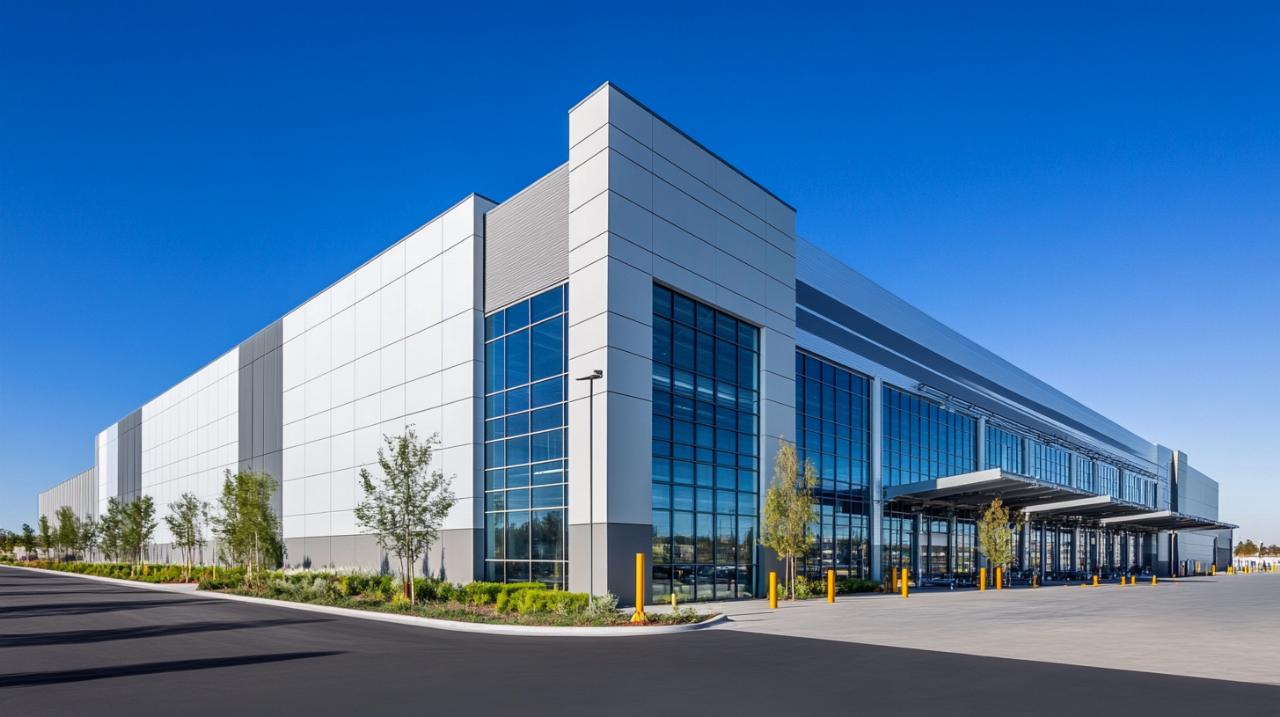
The industrial property market across France presents a wealth of opportunities for businesses seeking premises tailored to their operational requirements. From expansive warehouses serving logistics networks to specialised production facilities equipped for manufacturing, the diversity of available properties reflects the varied demands of modern commerce. Whether one is exploring the bustling environs of Paris or the strategically positioned regions of the Alps and Auvergne, understanding the characteristics of different industrial building types and their investment potential is essential for making informed decisions. This article examines the spectrum of industrial premises, the significance of location and surface area, and the considerations that shape successful investment strategies in these dynamic markets.
Exploring the Diverse Range of Industrial Building Types and Their Business Applications
Industrial premises encompass a broad array of building types, each designed to support specific operational activities. The distinction between warehouses, production facilities, and distribution centres lies not merely in their structural features but in the way they accommodate the workflows of different enterprises. A warehouse typically serves as a storage hub, offering substantial floor space and high ceilings to maximise inventory capacity. These buildings are often sought after by retailers, importers, and logistics firms that require efficient stock management and easy access for loading and unloading goods. Production facilities, by contrast, are purpose-built environments where manufacturing processes take place. They may include specialised infrastructure such as heavy-duty flooring, enhanced electrical systems, and ventilation arrangements suited to industrial machinery. Distribution centres bridge the gap between storage and delivery, functioning as nerve centres for supply chains that connect suppliers with end customers. The choice of building type depends heavily on the nature of the business, the volume of goods handled, and the complexity of operations.
Warehouses, Production Facilities, and Distribution Centres: Matching Property to Purpose
Selecting the right type of industrial building begins with a clear understanding of business needs. Warehouses are ideal for enterprises prioritising storage capacity and rapid turnover of stock, while production facilities cater to manufacturers requiring robust infrastructure and compliance with safety regulations. Distribution centres, often located near major transport arteries, serve businesses that depend on swift and reliable logistics networks. The suitability of a property is also influenced by factors such as ceiling height, column spacing, and the presence of loading bays. For instance, a warehouse intended for bulky goods may require higher ceilings and wider aisles, whereas a production facility might prioritise access to utilities and specialised equipment zones. Matching property to purpose ensures operational efficiency and can significantly affect both short-term productivity and long-term profitability.
Divisible Industrial Spaces and Multi-Tenancy Opportunities for Flexible Business Growth
In an era where flexibility is prized, divisible industrial spaces have emerged as a compelling option for businesses and investors alike. These premises can be subdivided into smaller units, allowing multiple tenants to occupy the same building or enabling a single business to expand gradually without committing to an oversized property from the outset. Multi-tenancy arrangements offer landlords the advantage of diversified income streams and reduced vacancy risk, while tenants benefit from the ability to secure space that aligns precisely with their current requirements. For growing enterprises, divisible spaces provide the option to scale operations incrementally, adapting to market conditions and evolving business models. This adaptability is particularly attractive in regions experiencing economic shifts, where companies may need to adjust their footprint in response to changing demand.
Location Intelligence: Analysing Paris, Rhône-Alpes, and Auvergne Markets for Industrial Investment
Location remains one of the most critical determinants of industrial property value and operational success. In Paris and its surrounding zones, the proximity to major consumer markets and transport infrastructure makes industrial premises highly sought after, albeit at a premium. The capital's industrial offerings range from compact urban units suited to light manufacturing and logistics to larger facilities on the periphery that cater to distribution and warehousing. The Rhône-Alpes region, encompassing major cities such as Lyon and Grenoble, benefits from its strategic position as a gateway between northern and southern Europe. Industrial premises here often enjoy excellent connectivity via motorways, railways, and airports, making the area attractive for businesses engaged in international trade. Auvergne, though less densely developed, offers competitive pricing and access to natural resources, appealing to industries that prioritise lower overheads and tranquil operating environments. The Alps region, meanwhile, combines scenic appeal with niche opportunities in sectors such as food production and specialised manufacturing, where proximity to mountainous terrain and local markets can confer distinct advantages.
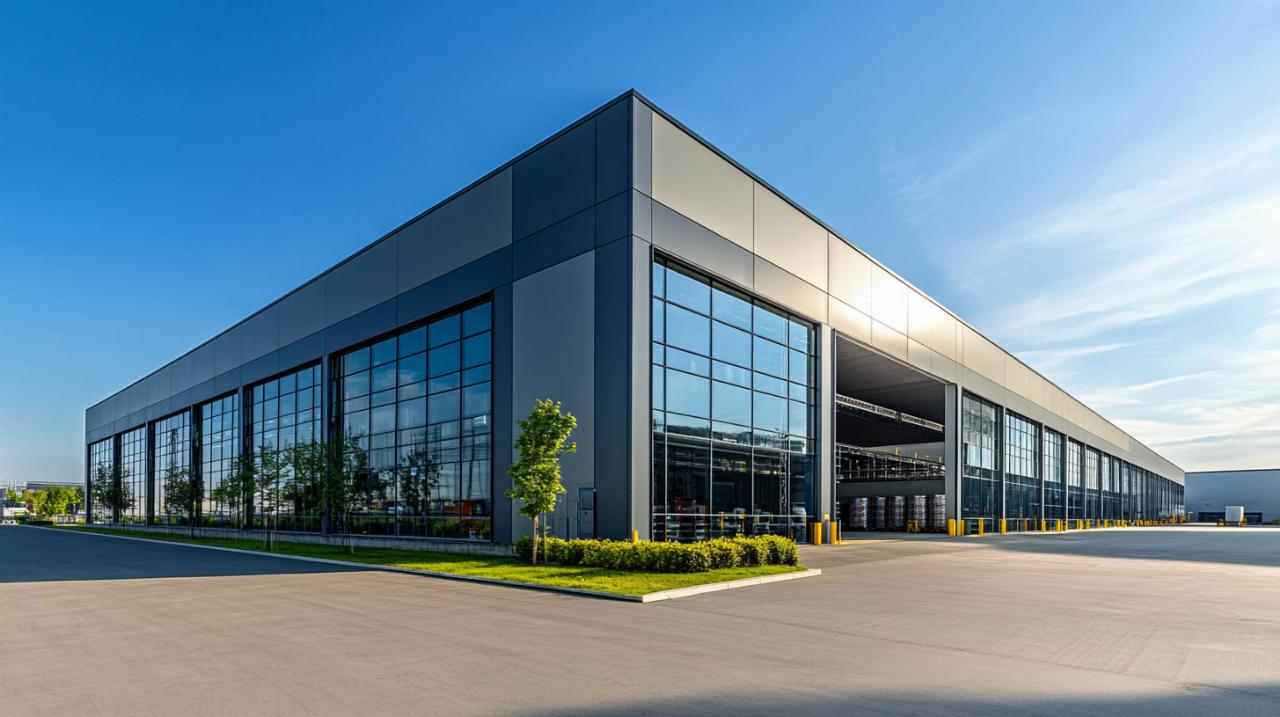
Surface Area Considerations and Pricing Dynamics Across Metropolitan and Regional Markets
The size of an industrial property is a primary factor influencing both its suitability and its cost. Surface area requirements vary widely depending on the nature of the business, with some operations demanding several thousand square metres for large-scale warehousing, while others may thrive in more modest premises of a few hundred square metres. In metropolitan areas such as Paris, space comes at a premium, with prices per square metre reflecting the intense competition for land and the high demand from diverse industries. Regional markets in Auvergne and the Alps, by contrast, typically offer more generous surface areas at lower rates, presenting opportunities for businesses willing to trade urban proximity for cost savings and room to expand. Pricing dynamics are also shaped by factors including building age, condition, and the availability of modern amenities such as energy-efficient systems and advanced security features. Investors must weigh these considerations carefully, balancing the upfront cost of acquisition or rental against the long-term operational benefits and potential for capital appreciation.
Accessibility, Transport Links, and Parking Provision: Essential Factors for Operational Efficiency
The operational success of an industrial enterprise is often contingent on the ease with which goods, employees, and services can access the premises. Proximity to major motorways, rail links, and airports can dramatically reduce logistics costs and improve delivery times, making such properties particularly attractive to distribution and export-oriented businesses. Parking provision is another essential consideration, as adequate space for employee vehicles, visitor parking, and loading areas ensures smooth daily operations and enhances workplace accessibility. In densely populated areas such as Paris, securing sufficient parking can be challenging and may necessitate creative solutions such as multi-storey facilities or agreements with nearby parking operators. Regional markets, with their more generous land availability, typically offer ample parking as standard, further underscoring the trade-offs between metropolitan convenience and regional affordability. For businesses heavily reliant on road transport, the quality of local road networks and the presence of dedicated freight routes can be decisive factors in the location selection process.
Navigating purchase and rental strategies whilst managing industrial property risks
Deciding whether to purchase or rent industrial premises involves a careful assessment of financial capacity, business strategy, and market conditions. Purchasing offers the security of ownership, the potential for capital gains, and the freedom to customise the property to specific operational needs. However, it also requires substantial upfront investment and exposes the buyer to market volatility and maintenance responsibilities. Rental arrangements, on the other hand, provide flexibility and lower initial costs, making them attractive to start-ups and businesses operating in uncertain markets. Leasing terms can be structured to include options for renewal or expansion, allowing companies to adapt their space requirements as circumstances change. The choice between purchase and rental is further influenced by considerations such as tax implications, financing availability, and the investor's appetite for risk.
Investment Potential and Rental Yields: Evaluating Long-Term Returns in Different Regions
The investment potential of industrial premises varies significantly across regions, with metropolitan markets typically offering higher capital values but lower rental yields, while regional areas may present more attractive income returns relative to purchase price. Paris and its immediate surroundings command premium valuations due to persistent demand and limited supply, yet rental yields can be compressed by the high acquisition costs. In contrast, the Rhône-Alpes, Auvergne, and Alpine regions often deliver more competitive yields, reflecting lower entry prices and steady demand from diverse industries. Long-term returns are influenced by factors including regional economic growth, infrastructure development, and shifts in industrial activity. Investors seeking capital appreciation may prioritise locations with strong growth prospects and planned transport upgrades, whilst those focused on income generation may favour stable, established markets with a track record of consistent rental demand. Evaluating these factors requires a thorough understanding of local market dynamics and an awareness of broader economic trends.
Due Diligence and Risk Assessment: Working with Established Agencies like Arthur Loyd
Mitigating risks associated with industrial property investment necessitates comprehensive due diligence and expert guidance. Potential buyers and tenants must scrutinise factors such as planning permissions, environmental compliance, structural integrity, and the condition of essential systems including heating, ventilation, and electrical installations. Hidden costs, such as remediation of contaminated land or upgrades to meet regulatory standards, can significantly affect the overall investment equation. Engaging with established agencies such as Arthur Loyd provides access to market intelligence, professional valuations, and legal expertise that are invaluable in navigating complex transactions. These agencies offer insights into local market conditions, help identify suitable properties, and facilitate negotiations to secure favourable terms. Their involvement can streamline the acquisition or rental process, reducing the likelihood of costly oversights and ensuring that decisions are grounded in reliable data. By partnering with experienced professionals, investors and businesses alike can approach the industrial property market with greater confidence and a clearer understanding of both opportunities and challenges.