
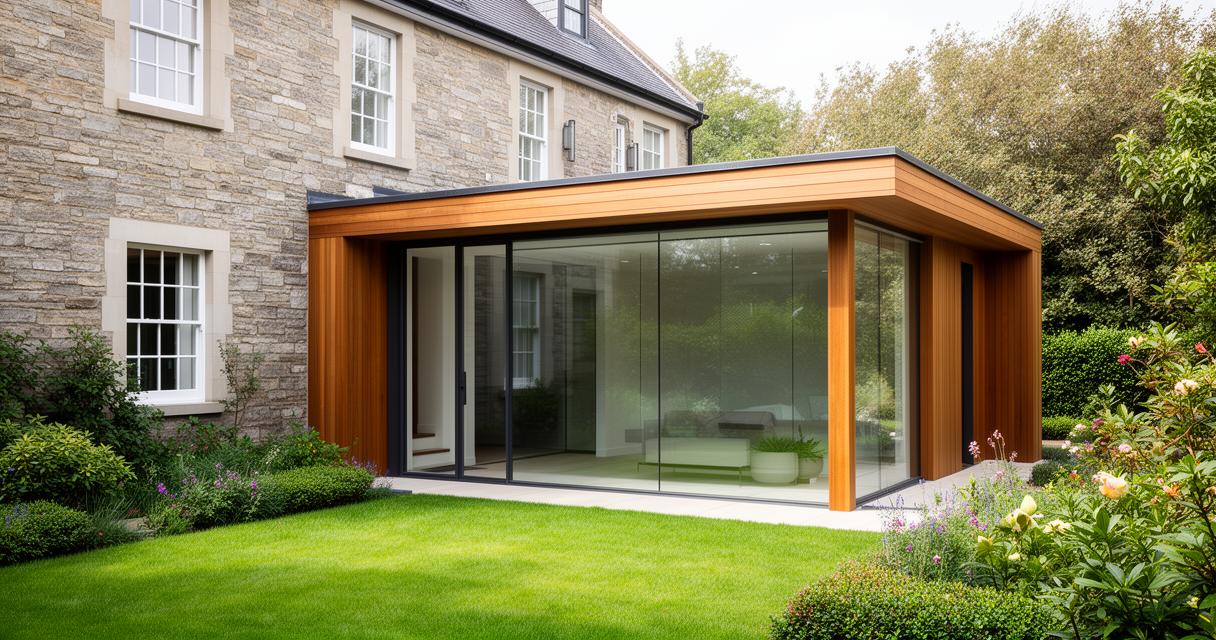
Extending your home offers an elegant solution to the challenge of needing more space without the upheaval of moving house. Whether you own a charming Victorian terrace or a Georgian townhouse, thoughtful architectural planning can transform your property while respecting its original character and significantly enhancing its market value. The key lies in understanding how to marry modern construction techniques with sympathetic design principles that honour the heritage and architectural integrity of your existing structure.
Planning your house extension: essential considerations before you begin
Before embarking on any building project, establishing a comprehensive plan is absolutely crucial to ensuring success and avoiding costly mistakes along the way. The initial stages of your extension journey should focus on understanding what your property can realistically accommodate and how much investment you are prepared to commit to the transformation. This preparatory phase sets the foundation for everything that follows and determines whether your project will proceed smoothly or encounter unexpected obstacles.
Understanding Your Property's Potential and Establishing a Realistic Budget
Every home has unique characteristics that influence how it can be extended, from the building footprint available to the structural integrity of existing walls and foundations. Older properties often present particular challenges, as they were built using traditional methods and materials that may require careful assessment before any work begins. Taking time to evaluate your property's potential helps you identify the most suitable approach, whether that involves a ground floor extension that stretches into your garden, a loft conversion that utilises unused attic space, or a more ambitious multi-storey addition that dramatically increases your living area.
Establishing a clear budget before starting the work is essential to avoid overspending and ensures that you can complete the project without financial strain. Your budget should account not only for construction costs but also for professional fees, planning applications, building regulations compliance, and a contingency fund for unforeseen complications. Working with an architect can help maximise your property's footprint and value by identifying creative solutions that deliver the most space and functionality within your financial parameters. Many homeowners discover that investing in quality design at the outset actually saves money in the long term by preventing costly revisions and ensuring the extension integrates seamlessly with the existing structure.
Navigating building regulations and securing required permissions
Understanding local regulations and obtaining any necessary declarations represents a critical step that cannot be overlooked when planning your extension. Planning permission is often needed, especially for listed buildings or properties located within conservation areas where stricter controls apply to protect the architectural character of the neighbourhood. Even if your project falls within permitted development rights, you must still comply with building regulations that govern structural safety, fire protection, insulation standards, and accessibility requirements.
For heritage properties and listed buildings, the approval process becomes more complex and requires demonstrating that your proposed extension respects the original materials and architectural style. Conservation officers will scrutinise your plans to ensure they do not harm the special interest of the building or its setting. This regulatory framework, while sometimes frustrating, ultimately protects the character of period homes and ensures that extensions contribute positively to the built environment. Engaging with your local planning authority early in the design process helps identify potential issues before you invest significant resources in detailed plans, and seeking professional guidance from architects experienced in working with period properties can streamline the approval process considerably.
Choosing the Right Extension Type and Design Approach for Your Home
Selecting the appropriate type of extension and architectural approach determines not only how much additional space you gain but also how successfully the new structure integrates with your existing home. The range of options available means you can find a solution tailored to your specific needs, whether you require an extra bedroom, a larger kitchen, or a bright home office flooded with natural light.
Comparing ground floor extensions, loft conversions and multi-storey additions
Ground floor extensions remain among the most popular choices for homeowners seeking to expand their living space, particularly through side return extensions and rear return extensions that maximise space in narrow homes typical of London terraces. These additions work especially well for Victorian terraces, where the original layout often created small, compartmentalised rooms that feel cramped by modern standards. By extending outwards into underutilised areas, you can create generous open-plan spaces that transform how your family uses the home while maintaining garden space for outdoor enjoyment.
Loft conversions and roof extensions offer compelling alternatives when expanding the building footprint is not feasible due to planning constraints or limited garden space. Mansard roofs and flat roof structures create extra rooms without occupying ground level areas, making them ideal for adding bedrooms, bathrooms, or even self-contained studios. These vertical extensions work particularly well in urban settings where property values are high and maximising every square metre becomes economically important. Two-storey contemporary additions represent a more ambitious approach that provides substantial additional accommodation across multiple levels, though they require more complex structural work and typically involve higher costs.
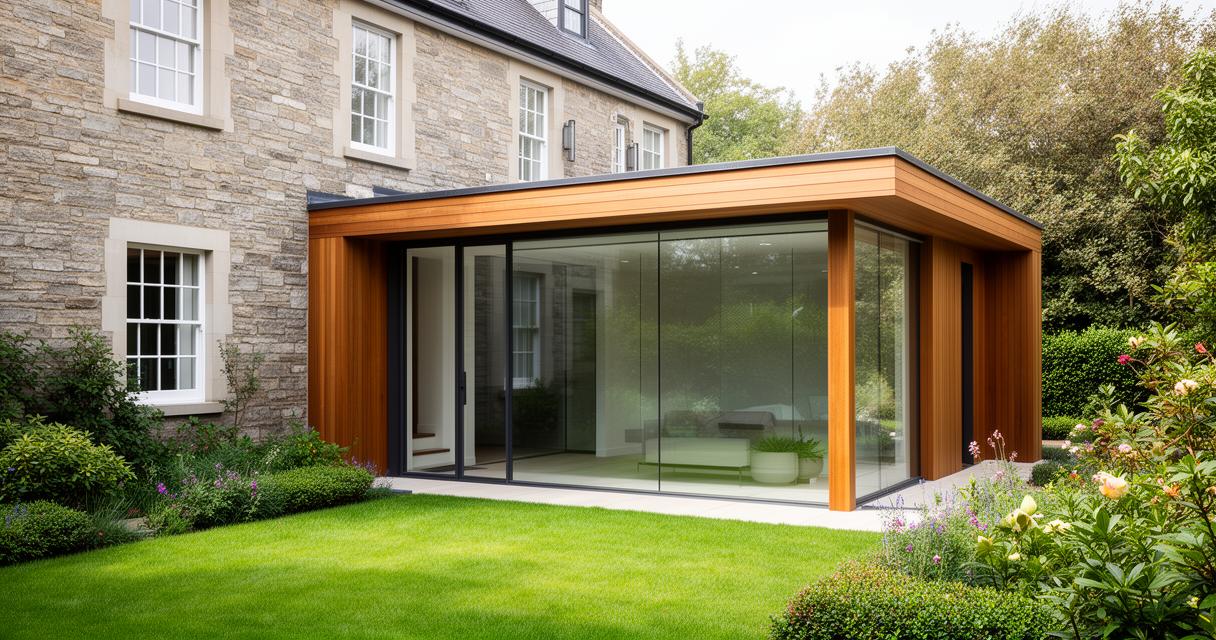
Matching architectural style: blending modern features with period properties
One of the most important decisions you will face involves choosing between complementary design and contrasting design approaches when extending a period home. Complementary design echoes the original features of your property, using similar materials, proportions, and decorative details to create an extension that feels like a continuation of the home's story. This approach works beautifully when you want the addition to appear as though it was always part of the original structure, maintaining architectural coherence and respecting the heritage of the building.
Contrasting design takes a different philosophy, embracing modern aesthetics and contemporary materials to create a deliberate juxtaposition between old and new. Glass and steel extensions exemplify this approach, introducing natural light and modern aesthetics without overwhelming original structures. When executed with sensitivity and skill, contrasting extensions can highlight the beauty of both the historic building and the contemporary addition, creating a dynamic conversation between different architectural periods. This strategy often proves particularly effective when the quality of the modern design is exceptional and when the contrast is managed thoughtfully rather than jarring.
Successful extensions, regardless of style, share common characteristics that demonstrate respect for the original property and commitment to design quality. They honour original materials in any new work, whether through careful matching in complementary designs or respectful framing in contrasting approaches. Natural light enhancement through rooflights and glass features improves the functionality of both old and new spaces, addressing one of the most common shortcomings of period homes. The choice between these approaches should reflect your personal preferences, the specific character of your property, and guidance from conservation authorities if your home is listed or located within a protected area.
Construction Essentials: Materials, Insulation and Working with Professionals
The practical aspects of construction determine whether your extension delivers lasting value or becomes a source of ongoing problems and disappointment. Selecting appropriate materials, ensuring proper insulation, and working with experienced professionals transforms architectural vision into physical reality that enhances your daily life for decades to come.
Selecting quality materials that balance cost, energy efficiency and aesthetics
The choice of construction materials will impact costs and energy efficiency as well as the visual success of your extension. For period properties, this decision becomes particularly significant because materials must either match existing elements or provide an appropriate contrast that respects the original architecture. Traditional materials such as brick, stone, timber, and slate often prove necessary for listed buildings and properties in conservation areas, where planning conditions may specify that extensions use materials consistent with the local vernacular.
Modern sustainable materials offer compelling advantages in terms of environmental impact and long-term running costs, even when extending period homes. High-performance insulation, triple-glazed windows, and renewable timber from certified sources combine to create extensions that meet contemporary standards for energy efficiency while maintaining aesthetic appeal. Integrating smart home technology and sustainable features into your extension improves comfort and efficiency, reducing heating bills and carbon emissions while increasing property value. The integration of these modern amenities needs careful planning to avoid compromising the character of period properties, but when done skilfully, creates homes that honour their heritage while embracing twenty-first century living standards.
Collaborating with Architects to Maximise Space Integration and Property Value
Working with qualified architects brings professional expertise that proves invaluable throughout the extension process, from initial concept through to completion. Architects specialising in period properties, such as those at firms like CODA Bespoke and Found Associates, understand the unique challenges these buildings present and can develop solutions that respect architectural preservation while delivering the space and functionality you need. Their experience navigating planning permission processes, particularly for listed buildings, can mean the difference between approval and rejection of your proposals.
The collaborative design process championed by leading practices ensures that your extension reflects your lifestyle needs and aspirations rather than imposing a standardised solution. Architects help you understand how the new space will integrate with your existing home, ensuring smooth transitions between old and new areas and maximising the functionality of every square metre. They consider factors you might overlook, from how natural light moves through spaces at different times of day to how the extension will appear from the street and impact your neighbours.
Beyond the immediate project, architects focused on sustainability and quality in design create extensions that stand the test of time both aesthetically and structurally. They help you avoid short-term economies that lead to long-term problems, instead guiding you toward investments that deliver genuine value. The relationship between design quality and property value is well established, with thoughtfully designed extensions typically returning significantly more than their cost when you eventually sell. By treating your extension as an opportunity to enhance your property's character rather than simply adding square footage, you create a home that feels cohesive, functions beautifully, and commands premium prices in the marketplace.