
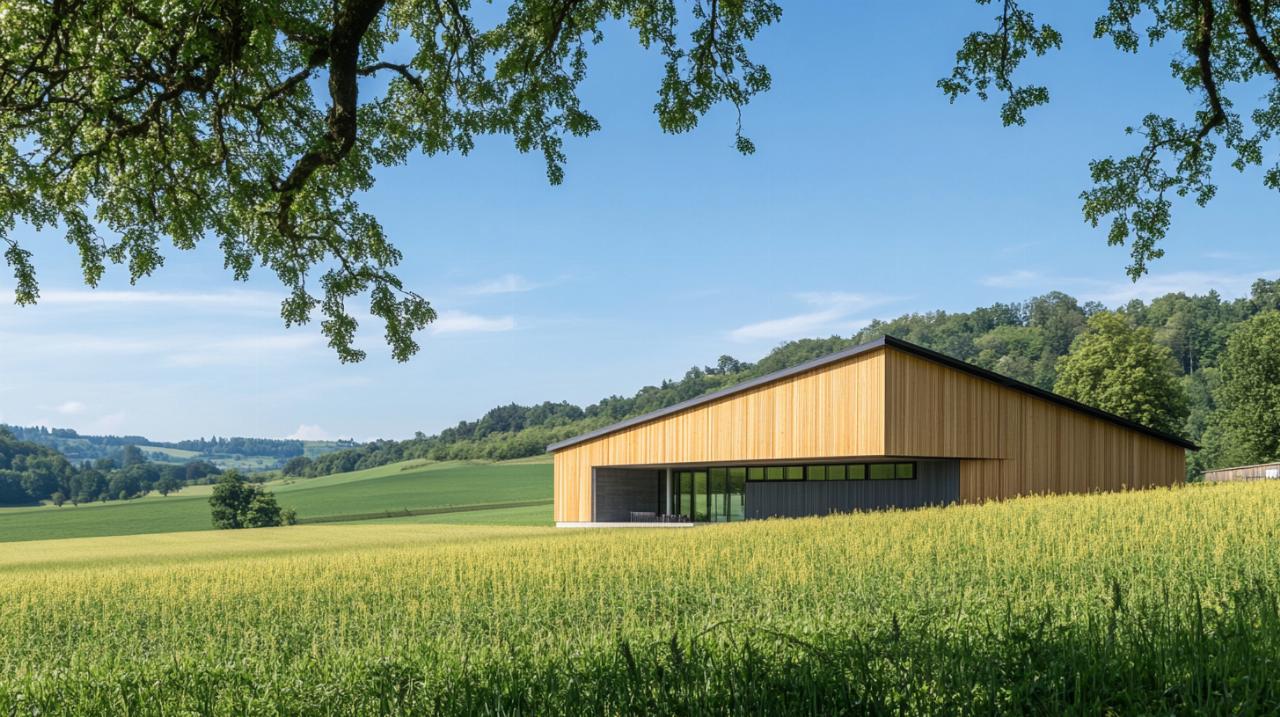
The agricultural sector has long relied upon robust, functional structures to house livestock, store crops, and protect valuable machinery from the elements. In recent years, timber has emerged as an increasingly popular choice for farm buildings, offering a blend of aesthetic appeal, structural integrity, and environmental sustainability. The decision to invest in wooden agricultural buildings involves careful consideration of material costs, compliance with planning regulations, and the potential for long-term financial returns through innovative enhancements such as solar panel integration. This analysis explores the multifaceted nature of timber construction pricing, helping landowners and farmers make informed choices that balance immediate expenditure with future value.
Understanding Construction Costs and Material Selection for Timber Agricultural Structures
Selecting the right materials for an agricultural building is a decision that extends far beyond initial purchase price. The construction of timber structures involves a complex interplay of component costs, material quality, and treatment options, all of which contribute to the overall investment required. Farmers must weigh the benefits of premium materials against budget constraints whilst ensuring the finished building will withstand the rigours of agricultural use for decades to come. The framework forms the skeleton of any timber agricultural building, and understanding the pricing factors associated with posts, beams, and purlins is essential for accurate budget planning.
Framework and Structural Components: Pricing Factors for Posts, Beams and Purlins
The structural framework of a timber agricultural building represents a significant portion of the overall construction cost. Posts provide vertical support and bear the weight of the entire structure, whilst beams span horizontally to distribute loads across the frame. Purlins, which run perpendicular to rafters, support the roofing materials and play a crucial role in maintaining the building's integrity. The price of these components varies considerably depending upon the timber species selected, with softwoods such as pine and spruce typically offering a more economical option compared to hardwoods like oak or chestnut. The dimensions of structural elements also impact pricing substantially, as larger cross-sections capable of spanning greater distances command premium prices due to increased material volume and specialised processing requirements.
Quality grading systems further influence the cost of structural timber, with higher grades featuring fewer knots and imperfections commanding elevated prices. For agricultural applications, builders often specify structural grade timber that meets specific strength requirements whilst accepting minor cosmetic imperfections that do not compromise performance. The sourcing of materials plays an equally important role in determining final costs, with locally harvested timber frequently offering price advantages over imported alternatives whilst simultaneously reducing the environmental impact of transportation. Engineered timber products, including glued laminated beams and cross-laminated timber panels, present alternatives to traditional solid timber but typically carry higher initial costs offset by superior dimensional stability and strength-to-weight ratios.
Roofing Materials and Treatment Options: Investment Considerations for Longevity
The roofing system represents another substantial cost centre in timber agricultural building construction, with material choices ranging from traditional corrugated metal sheets to modern insulated panels. Metal roofing remains the most popular option for farm structures due to its durability, weather resistance, and relatively modest cost. However, the gauge of metal used and the inclusion of protective coatings significantly affect both initial pricing and long-term performance. Thicker gauge materials resist damage from hail and falling branches more effectively, whilst premium coatings extend service life by preventing corrosion in the harsh agricultural environment.
Treatment options for structural timber warrant careful consideration, as they directly influence both upfront costs and the building's lifespan. Pressure-treated timber, which has preservatives forced deep into the wood fibres, offers excellent protection against decay, insect damage, and moisture-related deterioration. The treatment process adds to material costs but typically proves economical when considering the extended service life and reduced maintenance requirements. Alternative treatments include fire-retardant applications, which may be required by local building regulations depending upon the structure's intended use and proximity to other buildings. Natural weathering represents a no-cost option favoured by some landowners, though untreated timber generally exhibits a shorter service life and may necessitate replacement or significant repairs within two decades. The choice of roofing and treatment options should align with the building's intended purpose, local climate conditions, and the owner's long-term vision for the agricultural operation.
Planning Permission Requirements and Installation Considerations for Wooden Farm Buildings
Navigating the regulatory landscape surrounding agricultural construction requires diligence and often professional guidance. The planning framework governing farm buildings varies depending upon location, building dimensions, and intended use, with certain structures qualifying for permitted development rights whilst others require formal planning applications. Understanding these requirements before committing to a design prevents costly delays and potential legal complications that could significantly inflate the overall project cost.
Navigating local authority regulations and site-specific building constraints
Local planning authorities maintain specific guidelines for agricultural buildings, with permitted development rights allowing farmers to erect structures without formal planning permission under certain circumstances. These rights typically stipulate maximum building dimensions, distances from property boundaries, and restrictions on buildings located within conservation areas or sites of special scientific interest. Structures exceeding specified size thresholds or those intended for commercial use beyond traditional farming activities generally require planning applications, introducing additional costs for architectural drawings, planning fees, and potential consultant expenses.
Site-specific constraints can substantially influence both construction costs and design possibilities. Ground conditions determine foundation requirements, with soft or waterlogged soils necessitating more extensive and expensive foundation systems compared to stable, well-drained sites. Access considerations affect material delivery costs, with remote locations potentially incurring surcharges for transportation and requiring smaller, more frequent deliveries rather than economical bulk shipments. Proximity to utilities influences the feasibility of integrating modern amenities, whilst distance from neighbours may affect permitted building heights and usage restrictions. Engaging with the local planning authority early in the project development phase helps identify potential obstacles and ensures the proposed design complies with all relevant regulations, ultimately preventing costly modifications during the construction phase.
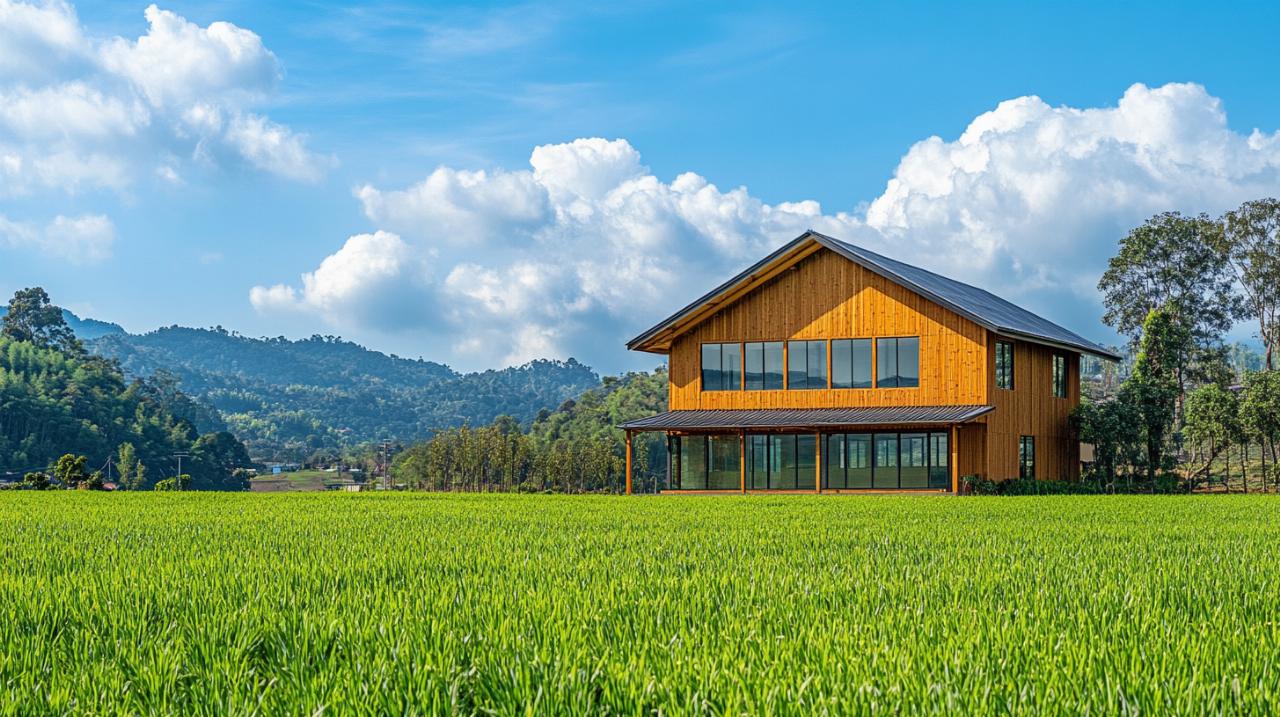
Equipment and Professional Services: Budgeting for Proper Installation and Compliance
The installation phase of timber agricultural building construction requires specialised equipment and often professional expertise to ensure structural integrity and regulatory compliance. Earthmoving machinery prepares the site and excavates foundations, whilst telehandlers and cranes facilitate the positioning of heavy timber components and roofing materials. Farmers possessing such equipment may reduce direct costs, though hiring professional contractors often proves more efficient and ensures work meets requisite standards, particularly for complex structural elements.
Professional services extend beyond physical construction to encompass design, engineering, and certification activities. Structural engineers assess proposed designs, specify appropriate timber grades and dimensions, and provide calculations demonstrating compliance with building regulations. Their involvement, whilst adding to project costs, provides assurance that the completed structure will safely serve its intended purpose and satisfy insurance requirements. Building control inspections represent another necessary expense, with inspectors verifying that construction work adheres to approved plans and meets safety standards. Budgeting for these professional services from the project's inception prevents unwelcome financial surprises and ensures the agricultural building achieves the necessary certifications for legal occupation and use.
Revenue Generation Potential: Integrating Solar Panels and Photovoltaic Systems into Agricultural Construction
Forward-thinking farmers increasingly view agricultural buildings not merely as functional structures but as platforms for generating supplementary income through renewable energy production. The large, unshaded roof areas typical of farm buildings present ideal opportunities for solar panel installation, transforming otherwise passive structures into active contributors to the operation's financial sustainability.
Cost-Benefit Analysis of Adding Solar Infrastructure to Timber Agricultural Buildings
Integrating photovoltaic systems into new agricultural building projects requires additional upfront investment but offers compelling long-term financial returns. The incremental cost includes solar panels, mounting systems, inverters, and electrical installation, with total expenditure varying according to system capacity and component quality. Designing the building's structure to accommodate solar panel loads from the outset proves more economical than retrofitting existing structures, as engineers can specify appropriate roof pitch, orientation, and structural reinforcement during the initial design phase.
The financial justification for solar integration rests upon several factors, including the building's electricity consumption, export potential to the grid, and available incentive programmes. Agricultural operations with substantial daytime electricity demand, such as dairy farms with refrigeration requirements or facilities with automated feeding systems, maximise solar investment returns by consuming self-generated electricity rather than purchasing from the grid. Excess generation capacity creates opportunities for grid export, generating income through electricity sales whilst contributing to national renewable energy targets. The declining cost of photovoltaic technology in recent years has substantially improved return-on-investment timelines, with many installations achieving payback within a decade whilst providing decades of subsequent revenue generation.
Long-term Income Streams from Electricity Production and Feed-in Tariff Arrangements
Government incentive schemes have historically played a pivotal role in encouraging renewable energy adoption within the agricultural sector. Feed-in tariff arrangements previously guaranteed premium rates for electricity generated by qualifying installations, creating predictable income streams that enhanced project financing viability. Whilst the original feed-in tariff scheme has closed to new applicants in many regions, replacement mechanisms such as the Smart Export Guarantee maintain financial incentives for renewable electricity generation, albeit typically at lower rates than earlier programmes.
The long-term income potential from agricultural building solar installations extends beyond direct electricity sales. Buildings equipped with photovoltaic systems often command higher valuations due to their income-generating capability and reduced operating costs, enhancing overall farm asset values. Insurance premiums may decrease as modern, well-maintained timber structures with integrated safety features present lower risk profiles compared to ageing facilities. The environmental credentials associated with renewable energy generation increasingly influence consumer purchasing decisions, with food producers able to market products as sustainably produced using clean energy, potentially commanding premium prices. When evaluating timber agricultural building investments, incorporating solar infrastructure creates a compelling value proposition that transcends simple construction cost considerations, positioning the farm for enhanced profitability and resilience in an evolving agricultural landscape.