
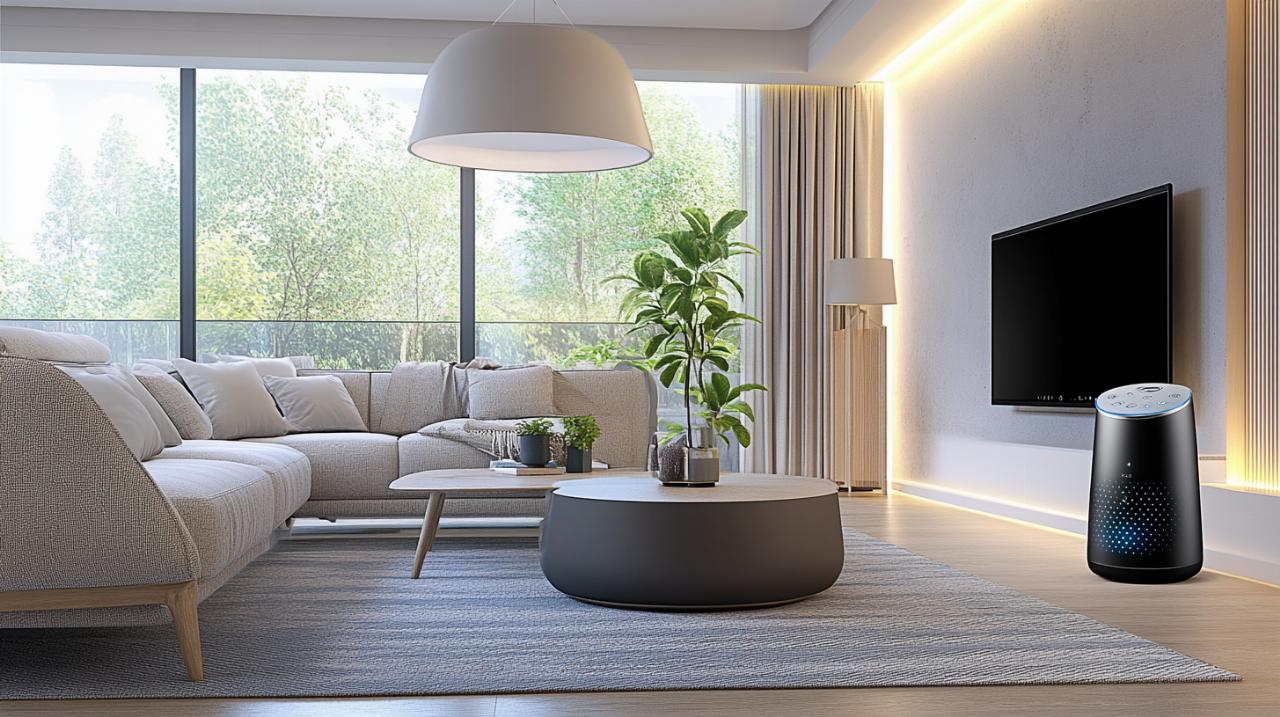
The modern home is rapidly transforming from a static shelter into a dynamic, responsive living environment. Technological advancements are weaving intelligent capabilities into the very fabric of our domestic spaces, fundamentally changing how we interact with our surroundings. From controlling lighting with simple voice commands to monitoring energy consumption in real time, the integration of sophisticated systems is no longer a futuristic fantasy but an accessible reality for households across the United Kingdom. These developments promise not only greater convenience but also enhanced security, improved sustainability, and even healthier living conditions.
Voice-activated technology revolutionising home control
Voice-activated technology has moved from novelty to necessity in countless British homes. The ability to control various household functions through simple spoken instructions represents a profound shift in how residents manage their living spaces. Voice assistants now serve as central hubs, coordinating everything from temperature adjustments to entertainment systems, all without requiring physical interaction with switches or remotes. This hands-free approach offers remarkable convenience, particularly for individuals with mobility challenges or those simply juggling multiple tasks throughout their busy days.
The Evolution of Voice Assistants in British Households
Voice assistants have evolved significantly since their initial introduction, becoming far more intuitive and capable of understanding nuanced commands and regional accents. In British households, these systems have adapted to recognise local dialects and expressions, making interactions feel more natural and seamless. The sophistication of voice recognition technology now allows for complex multi-step commands, enabling users to orchestrate entire routines with a single phrase. This evolution reflects broader smart home trends that prioritise user experience and accessibility, ensuring technology serves the household rather than complicating daily life.
Integrating voice commands across multiple smart devices
The true power of voice-activated technology emerges when it integrates seamlessly across multiple smart devices within the home. Modern systems allow residents to control smart lighting, thermostats, security systems, and connected appliances through unified voice commands, creating a harmonious ecosystem where disparate technologies work together effortlessly. This integration eliminates the need for numerous separate applications or control panels, streamlining household automation into a single, intuitive interface. The result is a home that responds intelligently to verbal instructions, adapting lighting levels for different activities, adjusting temperatures for comfort, or securing premises before bedtime.
Advanced security solutions for modern homes
Security remains a paramount concern for homeowners, and emerging technologies are providing increasingly sophisticated solutions to protect properties and residents. The latest security systems go far beyond traditional alarm mechanisms, incorporating intelligent surveillance, advanced access control, and real-time monitoring capabilities that can be managed remotely. These innovations offer peace of mind whether residents are at home or away, providing comprehensive protection against intrusion whilst also serving as valuable tools for monitoring deliveries, checking on family members, or simply keeping an eye on the property.
Smart cameras and intelligent surveillance systems
Smart cameras represent a significant advancement in home security, offering far more than simple video recording. Modern surveillance systems incorporate motion detection, facial recognition, and intelligent alerts that distinguish between genuine threats and harmless activity such as passing pets or swaying branches. High-definition video quality ensures clear footage regardless of lighting conditions, whilst cloud storage options provide secure archiving of recordings that can be accessed from anywhere via smartphone control. Many systems now offer customisable activity zones, allowing homeowners to focus monitoring on specific areas such as driveways or entry points whilst reducing false alarms from less critical regions.
Next-generation smart locks and access control
Smart locks have transformed how households manage entry and access, eliminating concerns about lost keys or unauthorised duplication. These devices offer multiple authentication methods, including smartphone apps, keypad codes, biometric scanning, and even temporary access credentials that can be shared with visitors or service providers for specific time windows. Integration with other security systems creates comprehensive access control, automatically disarming alarms when authorised users enter or triggering alerts if unexpected access attempts occur. The enhanced security provided by these systems, particularly when combined with two-factor authentication protocols, offers robust protection against physical intrusion whilst maintaining convenient access for legitimate household members.
Energy efficiency and sustainable living through smart technology
Rising energy costs have made efficiency a critical priority for British households, and intelligent systems are providing powerful tools to reduce consumption whilst maintaining comfort. Smart technology enables precise control over heating, lighting, and appliances, ensuring energy is used only when and where needed. Beyond immediate cost savings, these systems support broader sustainability goals by reducing overall energy demand and facilitating the integration of renewable energy sources. Energy monitoring capabilities provide valuable insights into consumption patterns, empowering households to make informed decisions about their usage and identify opportunities for further efficiency improvements.
Smart thermostats and automated energy management
Smart thermostats represent one of the most impactful technologies for improving household energy efficiency. These devices learn occupancy patterns and temperature preferences, automatically adjusting heating schedules to minimise waste whilst ensuring comfort when residents are home. Advanced models incorporate weather forecasting data to anticipate heating needs, pre-warming homes before occupants arrive or reducing output when mild weather reduces demand. Remote control capabilities allow adjustments from anywhere, preventing energy waste when plans change unexpectedly. The combination of intelligent automation and user control typically results in substantial reductions in heating costs, making smart thermostats a wise investment for environmentally conscious homeowners concerned about rising energy costs.
Renewable energy integration and consumption monitoring
Smart technology is facilitating the integration of renewable energy sources into residential properties, making solar panels and battery storage systems more practical and efficient. Intelligent energy management systems can prioritise the use of self-generated power, storing excess production for later use and drawing from the grid only when necessary. Real-time energy monitoring provides detailed visibility into consumption patterns, identifying which appliances and activities consume the most power and suggesting opportunities for optimisation. This transparency empowers households to make conscious choices about energy use, supporting both economic and environmental goals whilst maximising the value of renewable energy investments.
The connected kitchen and appliance ecosystem
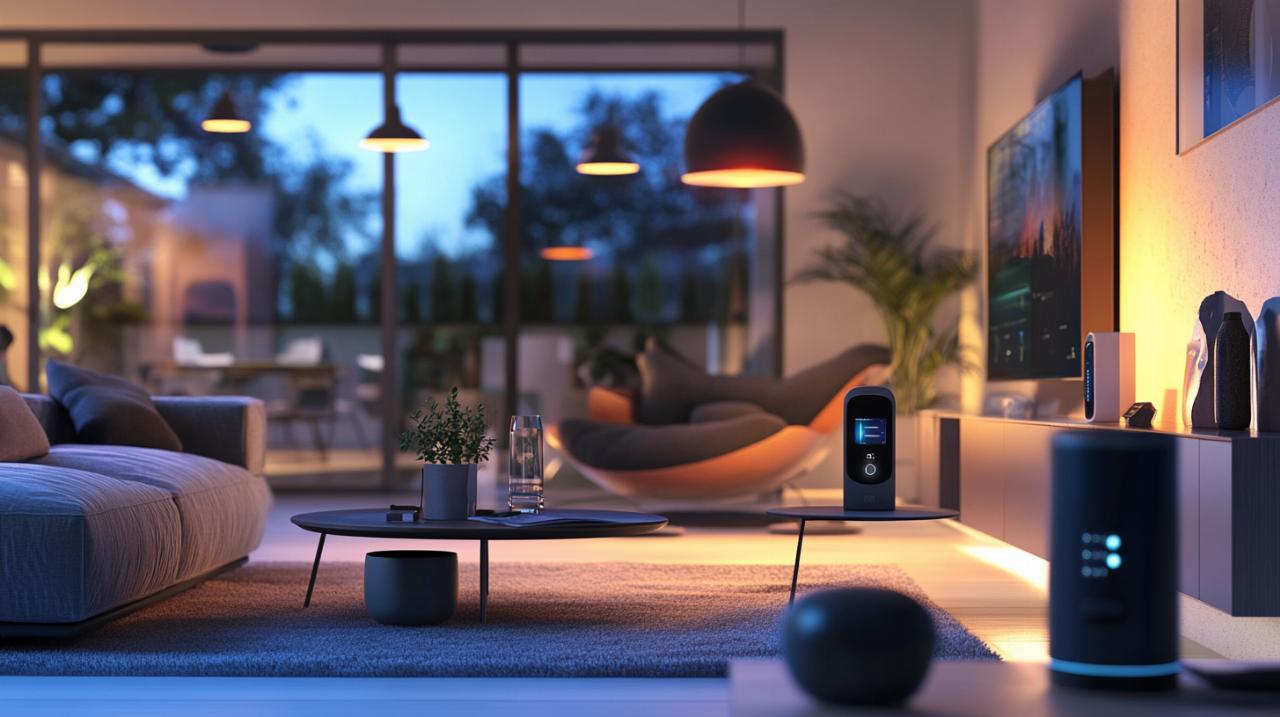
The kitchen has become a focal point for smart home innovation, with connected appliances transforming food preparation, storage, and cleanup into more efficient and enjoyable processes. Modern intelligent systems coordinate multiple devices, creating workflows that simplify complex tasks and reduce the mental burden of meal planning and preparation. These technologies range from refrigerators that track inventory and suggest recipes to ovens that can be preheated remotely, ensuring dinner is ready precisely when needed without constant monitoring.
Intelligent appliances working in harmony
The true potential of connected appliances emerges when multiple devices communicate and coordinate their functions. Refrigerators can suggest recipes based on available ingredients, automatically sending cooking instructions to smart ovens that adjust temperatures and timings accordingly. Dishwashers can be scheduled to run during off-peak energy hours, reducing costs whilst ensuring clean dishes are ready when needed. Coffee makers can be programmed to brew precisely when morning routines begin, coordinating with smart lighting that gradually brightens to ease the transition from sleep. This orchestration of household automation creates seamless experiences that adapt to individual preferences and schedules, making daily routines more efficient and enjoyable.
Remote control and automated household tasks
Remote control capabilities extend the convenience of smart appliances beyond the home, allowing management of household tasks from virtually anywhere. Forgotten to start the washing machine before leaving for work? A quick smartphone command resolves the situation, ensuring laundry is ready upon return. Need to preheat the oven whilst commuting home? Connected appliances make this possible, eliminating the need to wait after arriving. These capabilities not only save time but also reduce the mental burden of coordinating complex schedules, allowing residents to focus on more important matters whilst their intelligent systems handle routine tasks automatically.
Health Monitoring and Wellness Technology at Home
Health and wellness have become increasingly important considerations in home design, with smart technology offering innovative solutions to monitor and improve physical wellbeing. These systems range from air quality sensors that detect pollutants to sleep tracking devices that optimise bedroom environments for better rest. The integration of health monitoring into the home environment represents a proactive approach to wellness, identifying potential issues before they become serious problems and supporting healthier lifestyle choices through data-driven insights.
Wearable integration and home health tracking
The integration of wearable devices with home systems creates comprehensive health monitoring ecosystems that track vital signs, activity levels, and sleep patterns. Data from fitness trackers and smartwatches can be used to adjust home environments automatically, perhaps lowering temperatures to support better sleep or adjusting lighting to encourage winding down before bedtime. For elderly residents or those with chronic health conditions, these systems can provide early warning of potential problems, alerting family members or healthcare providers if concerning patterns emerge. This seamless integration of personal health data with environmental controls represents a significant advancement in proactive wellness management within the domestic setting.
Air quality monitoring and sleep enhancement systems
Air quality monitoring systems have become increasingly important as awareness grows regarding the impact of indoor pollutants on health. Smart sensors detect allergens, volatile organic compounds, and carbon dioxide levels, automatically triggering ventilation systems or air purifiers when quality degrades. Sleep enhancement systems take a holistic approach to rest, coordinating multiple factors including temperature, humidity, lighting, and sound to create optimal conditions throughout the night. These systems can even adjust environments dynamically based on sleep stage tracking, ensuring conditions remain ideal as the body progresses through different rest phases. The result is improved sleep quality, which has profound implications for overall health, cognitive function, and daily wellbeing.
Diy smart home installation and customisation
The democratisation of smart home technology has made sophisticated systems accessible to households across all budget ranges and technical skill levels. DIY installation options have proliferated, offering entry points for those who wish to experiment with home automation without substantial financial commitment or complex professional installation. This approach allows homeowners to build their systems incrementally, adding capabilities as needs evolve and budgets allow, creating personalised solutions that precisely match individual requirements rather than adopting one-size-fits-all packages.
Affordable entry-level smart home kits
Entry-level smart home kits provide excellent starting points for households beginning their automation journey. These packages typically bundle essential components such as smart lighting, voice assistants, and basic sensors at accessible price points, often with straightforward installation processes that require no specialised knowledge or tools. Many manufacturers design their products with expansion in mind, ensuring initial purchases remain compatible as households add additional capabilities over time. Basic systems suitable for DIY setups might include smart lighting solutions and simple security cameras, with costs potentially ranging from modest amounts to more substantial investments depending on coverage and sophistication. These accessible options have made smart technology practical even for those in urban living situations where property prices might otherwise limit renovation budgets.
Building your smart home system incrementally
An incremental approach to building smart home systems offers several advantages over attempting comprehensive implementation all at once. Starting with high-impact areas such as lighting or heating allows households to experience immediate benefits whilst learning how different technologies work together. As comfort with the technology grows, additional layers can be added, perhaps expanding from basic security systems to more sophisticated automation or integrating renewable energy monitoring. This measured approach avoids the overwhelm of managing complex systems whilst also distributing costs over time, making advanced capabilities more financially accessible. For properties undergoing extensions, loft conversions, or other refurbishment projects, integrating smart features during construction provides opportunities to incorporate wiring and infrastructure seamlessly, though many modern wireless solutions minimise such requirements. The flexibility of modular smart home systems ensures that whether beginning with basic smartphone control or planning full automation with AI technology and comprehensive energy monitoring, the system can evolve alongside changing needs and advancing capabilities.