
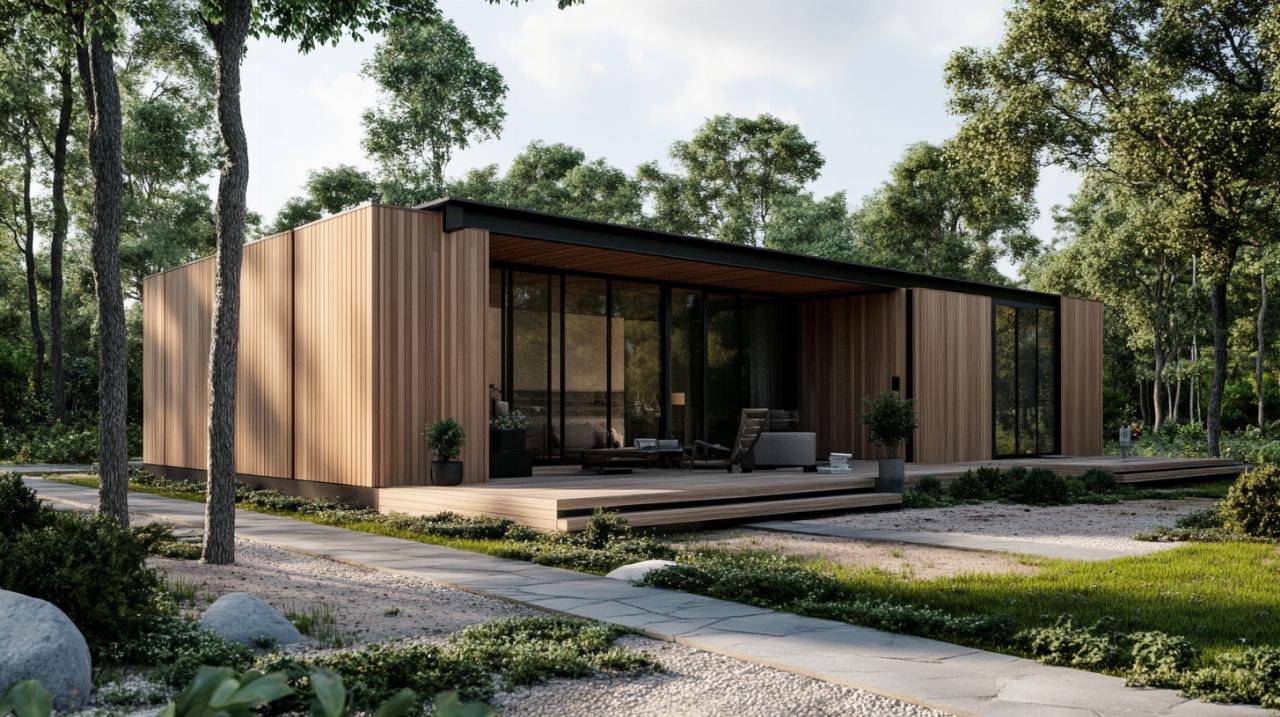
Transforming shipping containers into habitable structures has gained considerable traction in recent years, with many homeowners and architects drawn to the combination of sustainability, affordability, and modern design. However, the exterior finish of a container home plays a pivotal role in defining its overall character and performance. Among the various cladding options available, wood stands out as a material that offers a unique blend of natural charm, practical benefits, and adaptability. Whether you are converting a single unit or planning a more ambitious modular building project, understanding the advantages of timber cladding can help you make an informed decision that enhances both the visual appeal and functional integrity of your wooden container house.
The Natural Aesthetic Appeal and Design Versatility of Timber Cladding
Embracing organic beauty in container architecture
One of the most compelling reasons to choose wood cladding for your container home is the inherent warmth and organic beauty it brings to the structure. Unlike stark metal surfaces or synthetic panels, timber has a timeless quality that seamlessly blends with natural surroundings. This is particularly advantageous if your project is situated in a rural or woodland setting, where the rustic character of rough sawn boards or the refined elegance of clean cut finishes can help the building harmonise with its environment. The natural grain and texture of wood create visual interest without overwhelming the design, making it an ideal choice for those who value understated sophistication.
Real-life examples demonstrate how effectively wood cladding can transform the appearance of shipping containers. In Zurich, a vertical wood slat approach was employed to create a clean, structured facade that not only looked appealing but also facilitated efficient water runoff. This method showcases how timber can be used to address practical concerns while maintaining a sleek, contemporary aesthetic. Similarly, a timber-framed bar in Arkansas utilised tongue and groove cladding to blend the container seamlessly into its surroundings, illustrating the material's capacity to adapt to different architectural contexts. These projects highlight that wood is not merely a decorative addition but a functional element that contributes to the overall success of container conversions.
Creative design possibilities with wooden facades
The versatility of wood cladding extends far beyond its natural beauty. Timber can be finished in a variety of styles, from rustic and weathered to polished and shiplap, allowing homeowners and designers to tailor the appearance of their container homes to suit their personal taste or specific project requirements. This flexibility is especially valuable in bespoke modifications, where the goal is to create a distinctive look that stands apart from standard container architecture. Whether you are building a catering container in London or a storage unit in Lancashire, wood cladding offers the creative freedom to experiment with different textures, colours, and installation patterns.
The process of attaching wood cladding has also become more straightforward thanks to innovative solutions such as Domino Clamps, which enable damage-free attachment of materials to the metal surface of shipping containers. This means that you can achieve a professional finish without compromising the structural integrity of the container itself. The ease of installation, combined with the wide range of timber options available, makes wood an accessible choice for both small-scale projects and larger modular buildings. Furthermore, the ability to incorporate additional design elements, such as patio doors or roof options, ensures that your container home can be customised to meet your specific needs while retaining the cohesive aesthetic that timber cladding provides.
Thermal and acoustic performance: wood's insulation benefits
Energy efficiency through natural insulation properties
Beyond its visual appeal, wood cladding offers significant practical advantages, particularly in terms of thermal performance. Timber is a natural insulator, which means it has the ability to regulate internal temperatures more effectively than many synthetic or metal alternatives. This property is especially important for container homes, where the steel structure can conduct heat and cold, leading to uncomfortable living conditions and increased energy costs. By adding a layer of wood cladding to the exterior, you create an additional barrier that helps to maintain a stable indoor climate, reducing the need for extensive heating and cooling systems.
This enhanced thermal performance translates directly into energy efficiency, which can have a positive impact on the long-term running costs of your home. In climates with significant temperature variations, the insulation properties of wood become even more valuable, as they help to protect against both the sweltering heat of summer and the biting cold of winter. The natural composition of timber also means that it can contribute to a more sustainable building approach, aligning with broader environmental goals. When combined with other eco-friendly materials and thoughtful design, wood cladding can play a key role in creating a container home that is both comfortable and environmentally responsible.
Enhancing sound dampening for comfortable living spaces
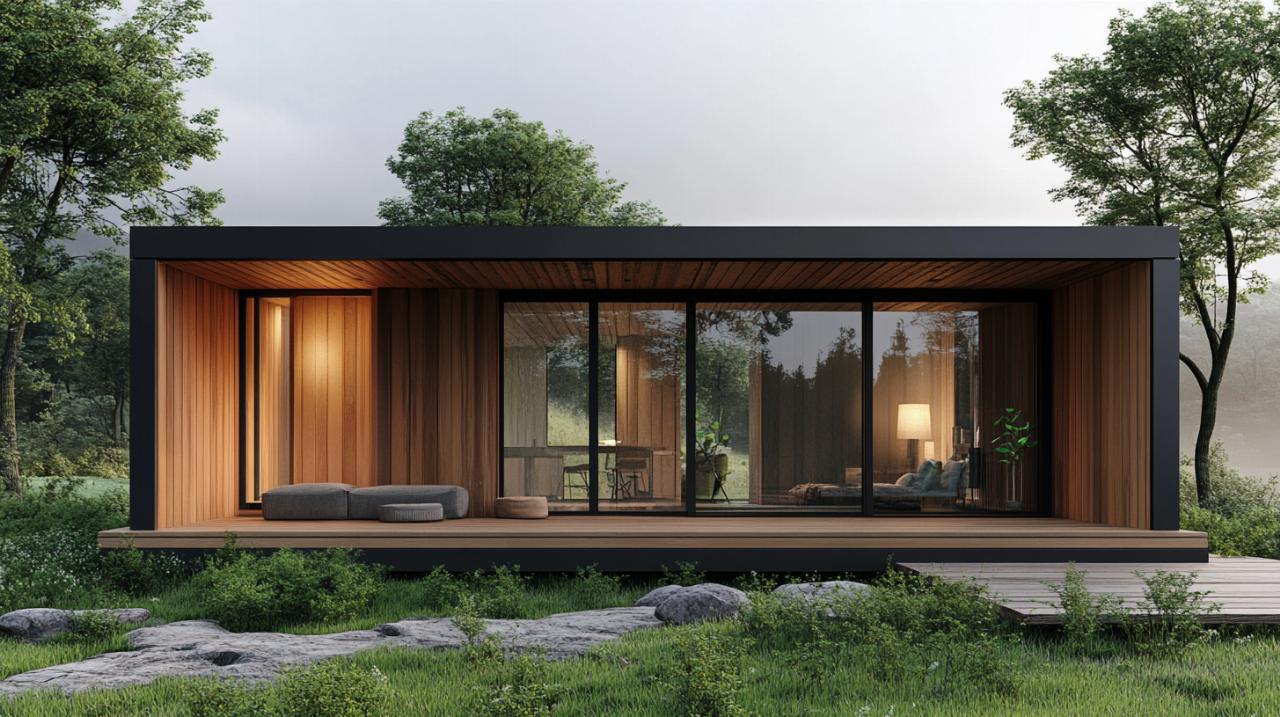
In addition to its thermal benefits, wood cladding also improves the acoustic performance of container homes. The dense structure of timber helps to absorb sound, reducing the transmission of external noise and creating a more peaceful indoor environment. This is particularly beneficial in urban settings, where container homes may be exposed to the constant hum of traffic or other sources of noise pollution. By incorporating wood cladding into your design, you can create a sanctuary that offers respite from the hustle and bustle of city life, enhancing the overall quality of your living space.
The acoustic advantages of timber are not limited to external noise reduction. Within the home itself, wood can help to dampen sound between different rooms or levels, contributing to a more harmonious living environment. This is especially important in modular buildings or larger container conversions, where multiple units are combined to create a single dwelling. The ability of wood to absorb and diffuse sound ensures that everyday activities do not disturb other occupants, making it an ideal choice for family homes or shared living spaces. Whether you are building a container office in Manchester or a catering container in Liverpool, the sound-dampening properties of timber can significantly enhance the functionality and comfort of the structure.
Durability, weather resistance, and long-term value
Treated timber solutions for enhanced longevity
While the aesthetic and functional benefits of wood cladding are clear, concerns about durability and weather resistance are often raised. However, modern treatment methods have significantly improved the longevity of timber, making it a viable option even in challenging climates. Treated wood is designed to withstand the effects of moisture, UV exposure, and temperature fluctuations, ensuring that your container home remains attractive and structurally sound for many years. These treatments protect the timber from common issues such as rot, insect damage, and warping, addressing many of the traditional drawbacks associated with wooden cladding.
The use of treated timber is particularly relevant for projects that involve worldwide shipping or express delivery of container units to diverse locations. Whether your container home is destined for the temperate climate of London or a more extreme environment elsewhere, treated wood cladding can provide the resilience needed to cope with local weather conditions. This adaptability makes timber an excellent choice for a wide range of applications, from permanent residential structures to temporary event containers or storage units. By investing in high-quality treated wood, you can ensure that your cladding not only looks good on the day of installation but continues to perform well over the long term.
Cost-effectiveness and reduced maintenance requirements
Another important consideration when selecting cladding for your container home is the balance between initial cost and ongoing maintenance. Wood cladding offers a compelling advantage in this regard, as it is often more affordable than alternative materials such as metal cladding, fibre cement, or stone finishes. This cost-effectiveness makes timber an attractive option for budget-conscious projects, particularly when you factor in the aesthetic and performance benefits it provides. Moreover, the availability of different wood types and finishes means that you can tailor your choice to suit your budget without sacrificing quality or style.
Maintenance requirements for wood cladding have also decreased thanks to advancements in treatment and finishing techniques. While untreated timber may require regular staining or sealing to maintain its appearance, modern treated wood is designed to be far more resilient, reducing the frequency and intensity of upkeep. This means that you can enjoy the natural beauty of timber without the burden of constant maintenance, freeing up time and resources for other aspects of homeownership. The long-term value of wood cladding is further enhanced by its durability and the ease with which individual boards can be replaced if necessary, ensuring that your container home remains in excellent condition with minimal effort.
In conclusion, wood cladding emerges as a highly suitable material for those looking to enhance the appearance, performance, and sustainability of their shipping container homes. Its natural aesthetic appeal, combined with excellent thermal and acoustic properties, makes it a versatile choice that can adapt to a wide range of design styles and environmental conditions. The availability of treated timber solutions ensures that concerns about durability and weather resistance are effectively addressed, while the cost-effectiveness and reduced maintenance requirements make it a practical option for both large-scale modular buildings and smaller container conversions. Whether you are planning a container office, a catering container, or a bespoke residential project, timber cladding offers a wealth of advantages that can help you create a structure that is as functional as it is beautiful.