
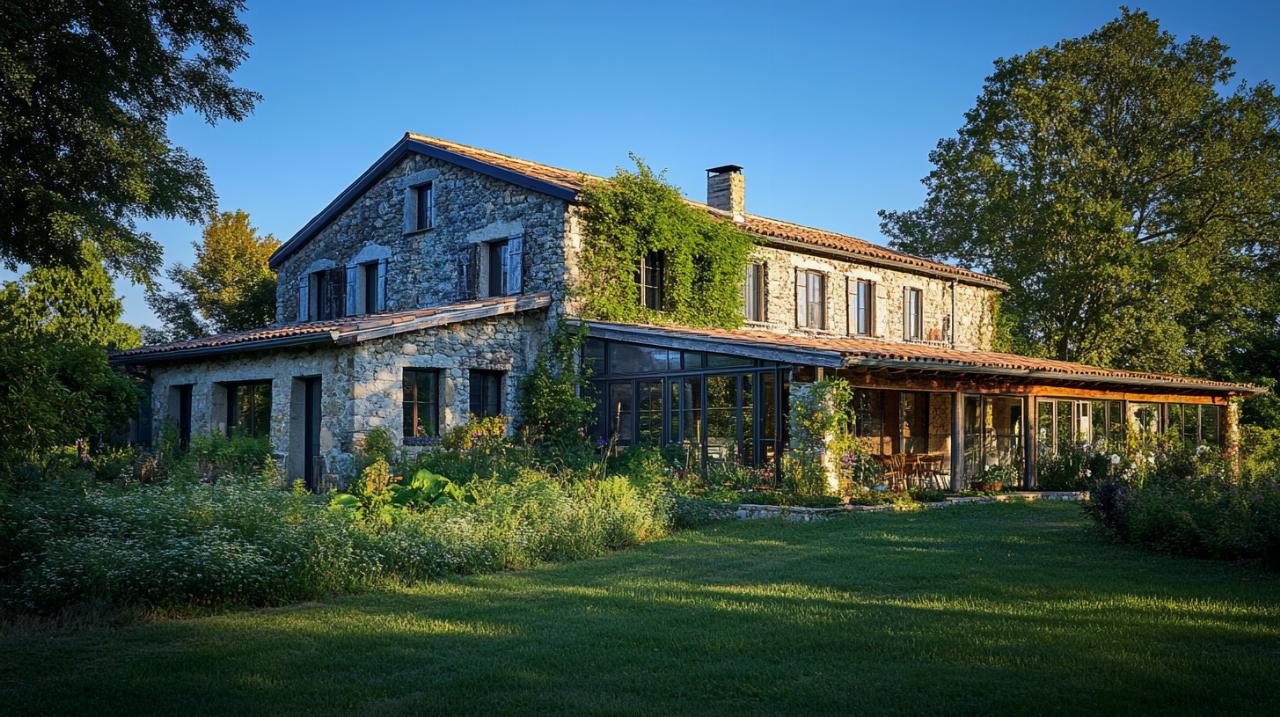
Transforming a redundant agricultural structure into a comfortable dwelling represents an increasingly popular avenue for addressing housing needs whilst breathing new life into rural landscapes. This process, however, demands careful navigation of legal frameworks, structural assessments, and energy efficiency standards. Homeowners, architects, and contractors embarking on such projects must understand the interplay between permitted development rights, building regulations, and contemporary sustainability requirements. The journey from barn to home requires meticulous planning and professional guidance to ensure both regulatory compliance and a successful outcome that respects the character of the countryside.
Understanding Planning Permission and Legal Requirements for Agricultural Conversions
Converting an agricultural building into a residential dwelling begins with understanding the planning landscape that governs such transformations. In recent years, the introduction of Permitted Development Rights has streamlined certain conversion processes, allowing eligible structures to change use without the need for full planning applications. This regulatory approach recognises the potential of underutilised agricultural buildings to address rural housing shortages whilst preserving the architectural heritage of the countryside. The framework establishes clear parameters within which conversions may proceed, balancing development opportunities against environmental and community considerations.
Navigating permitted development rights and prior approval applications
Class Q under Permitted Development Rights offers a valuable pathway for those seeking to convert agricultural buildings to residential use. Under this provision, up to ten dwellings may be created within a maximum combined floor space of one thousand square metres, with each individual dwelling limited to one hundred and fifty square metres. These generous thresholds, updated as of the twenty-first of May 2024, provide flexibility for varied conversion schemes. However, eligibility hinges on demonstrating that the building formed part of an established agricultural unit prior to the twenty-fourth of July 2023, and that it was in agricultural use before the twentieth of March 2013. This historical requirement ensures that only genuine agricultural structures qualify rather than buildings erected speculatively for conversion purposes.
Whilst Permitted Development Rights eliminate the need for full planning permission, they do not remove all oversight. Prior approval from local authorities remains necessary to address specific considerations including highway impacts, noise, contamination risks, and other safety factors. This process allows councils to examine whether the proposed conversion would create unacceptable impacts on the surrounding area or fail to meet fundamental standards. Applications for prior approval must include comprehensive documentation demonstrating compliance with dimensional limits, structural integrity, and environmental safeguards. Once approval is secured, developers face a three-year completion deadline to realise the conversion, encouraging timely progress and preventing speculative land banking.
Essential Documentation and Preliminary Assessments for Your Conversion Project
Successful applications require thorough preliminary assessments and carefully prepared documentation. Applicants must provide evidence of the building's agricultural history, including records demonstrating continuous use for farming purposes during the qualifying periods. Structural surveys form another critical component, establishing that the existing fabric can support residential conversion without wholesale reconstruction. Councils scrutinise these submissions to ensure that proposed conversions represent genuine adaptations rather than demolition and replacement schemes. The distinction matters significantly, as the permitted development route specifically facilitates conversion rather than new build development.
Beyond structural considerations, applicants must address how the conversion will integrate utilities, manage drainage, and provide adequate access. These practical elements often require specialist input from engineers and surveyors who can demonstrate feasible solutions within the constraints of rural locations. Environmental impact assessments may be necessary where sensitive habitats or protected species are present, adding further layers to the application process. Certificate of Lawfulness applications can provide additional certainty by formally establishing that a proposed use falls within permitted development rights, offering valuable assurance before significant expenditure is committed.
Structural considerations and building regulations compliance
Transforming an agricultural building into a habitable dwelling presents unique structural challenges that differ markedly from new construction projects. These structures were designed for storage or livestock rather than human occupation, meaning their foundations, walls, and roofs may require substantial reinforcement or adaptation. Building regulations compliance remains mandatory regardless of whether planning permission is required, ensuring that converted properties meet contemporary standards for safety, accessibility, and performance. This regulatory framework protects future occupants whilst maintaining consistency across the housing stock.
Evaluating Load-Bearing Structures and Façade Integrity in Agricultural Buildings
Agricultural buildings frequently feature construction methods optimised for cost-effectiveness and functional simplicity rather than longevity or residential comfort. Load-bearing walls may consist of single-skin blockwork or timber framing that lacks the thermal mass and weather resistance expected in dwelling houses. Roofs often utilise lightweight materials such as corrugated metal or asbestos cement, necessitating complete replacement to achieve appropriate insulation and weatherproofing. Structural engineers play an essential role in assessing whether existing elements can support the additional loads imposed by residential conversion, including floor structures, internal partitions, and upgraded roof assemblies.
Façade integrity presents particular concerns where large openings for agricultural equipment must be adapted to accommodate residential fenestration whilst maintaining structural stability. The introduction of windows and doors requires careful consideration of lintels, load distribution, and weatherproofing details. Original agricultural buildings rarely incorporated damp-proof courses or effective moisture barriers, making retrofitting these essential elements a priority. Professional architects and contractors experienced in agricultural conversions understand these challenges and can develop solutions that respect the building's character whilst achieving necessary performance standards. Preserving the external appearance often features as a condition of prior approval, requiring creative approaches to fenestration and material selection that balance conservation with comfort.
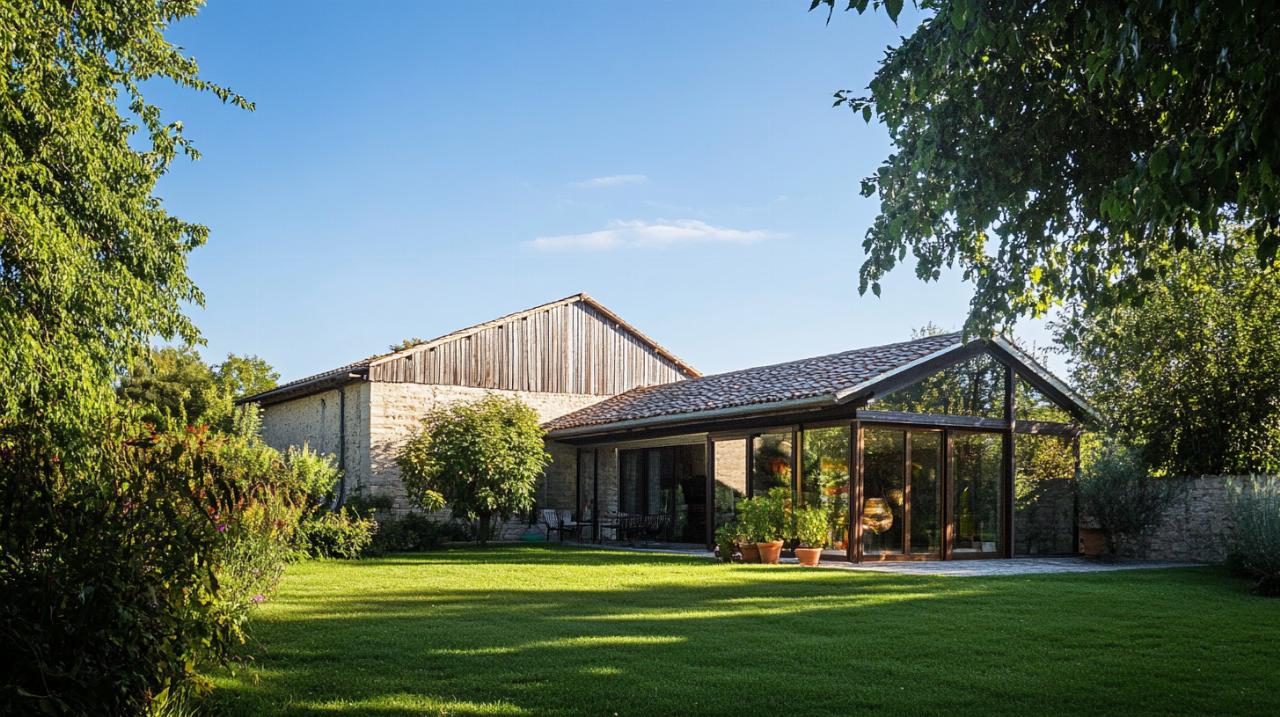
Meeting contemporary building standards whilst preserving rural character
Building regulations encompass far more than structural safety, extending to fire safety, acoustics, ventilation, and accessibility. Converted agricultural dwellings must achieve the same standards as new build homes, regardless of the challenges posed by existing fabric and rural locations. Fire safety requirements demand compartmentation, escape routes, and detection systems appropriate to the dwelling's size and layout. Acoustic performance between rooms and between dwellings in multi-unit conversions must meet specified standards to ensure occupant comfort. Ventilation systems must provide adequate fresh air whilst managing moisture and maintaining energy efficiency, a particularly complex requirement in buildings with limited opportunities for natural ventilation.
Accessibility considerations ensure that homes can accommodate residents with varying mobility needs, though the extent of requirements depends on whether the conversion creates new dwellings or adapts existing residential space. Sensory-friendly design principles, drawn from experience in retrofitting accessibility features, can be integrated to create inclusive environments that serve diverse households. These standards collectively ensure that converted agricultural buildings provide comfortable, safe, and sustainable homes rather than merely achieving basic habitability. Professional guidance from specialists such as those available through platforms connecting homeowners with architects and contractors ensures that these multifaceted requirements are addressed comprehensively, avoiding costly remedial work and ensuring regulatory compliance from the outset.
Maximising energy efficiency in your agricultural building conversion
Energy efficiency represents both a regulatory requirement and an economic imperative in agricultural building conversions. UK energy efficiency standards demand performance levels that minimise heating costs and environmental impact, requiring substantial upgrades to buildings originally designed without thermal considerations. Achieving these standards in the context of existing agricultural structures presents unique challenges, as conventional construction methods and materials may be unsuitable or incompatible with the building's character. However, modern insulation technologies and heating systems offer solutions that can deliver exceptional performance whilst respecting architectural heritage.
Sustainable Insulation Solutions and Modern Heating Systems for Converted Properties
Insulation forms the foundation of energy efficiency in any dwelling, and agricultural conversions demand particularly careful specification to overcome the thermal weaknesses of single-skin walls and uninsulated roofs. Internal insulation often provides the most practical approach where external appearance must be preserved, though it reduces internal floor area and requires careful detailing to avoid condensation and thermal bridging. Natural insulation materials such as sheep's wool, wood fibre, and hemp lime offer breathability that complements traditional construction methods, allowing moisture to dissipate rather than becoming trapped within the building fabric. These materials also deliver environmental benefits through low embodied energy and renewable sourcing.
Heating systems must be selected to suit the building's characteristics and the occupants' needs whilst minimising energy consumption. Heat pumps, whether air source or ground source, provide efficient low-carbon heating that aligns with national decarbonisation objectives. However, their effectiveness depends on achieving high levels of insulation and airtightness, making them most suitable for comprehensively upgraded conversions. Biomass boilers offer an alternative that can utilise locally sourced fuel and suits properties with space for fuel storage and flue installations. Solar thermal systems can supplement primary heating by providing domestic hot water, reducing overall energy demand. The selection process benefits from professional guidance that considers site constraints, budget, and long-term running costs alongside initial capital expenditure.
Renewable energy integration and achieving high energy performance ratings
Renewable energy generation transforms converted agricultural buildings from energy consumers into potential energy producers, delivering environmental and economic benefits. Solar photovoltaic panels represent the most accessible renewable technology for most conversions, with roof-mounted arrays generating electricity to meet household demand and potentially export surplus to the grid. Agricultural buildings often feature large roof areas ideally oriented for solar capture, providing generous generation capacity. Battery storage systems enhance the value of solar installations by storing excess generation for use during periods of low sunlight, increasing self-consumption and reducing reliance on grid electricity.
Wind turbines and micro-hydro systems suit specific sites where wind resources or water courses provide viable generation opportunities. Ground source heat pumps can be integrated with other renewable technologies to create highly efficient, low-carbon heating solutions. Achieving high energy performance ratings requires coordinating these technologies with passive design strategies including orientation, glazing specifications, and thermal mass. Energy Performance Certificates provide standardised assessment of a dwelling's efficiency, with higher ratings delivering market advantages and lower running costs. Professional energy assessors can model proposed specifications to optimise performance and identify cost-effective improvement measures. Fixed-fee services offered by specialist firms provide cost certainty and comprehensive support throughout the conversion process, ensuring that energy efficiency objectives are met alongside planning and building regulation requirements. This integrated approach delivers homes that honour their agricultural heritage whilst embracing contemporary sustainability standards, creating comfortable, efficient dwellings that contribute positively to rural communities and the environment.