
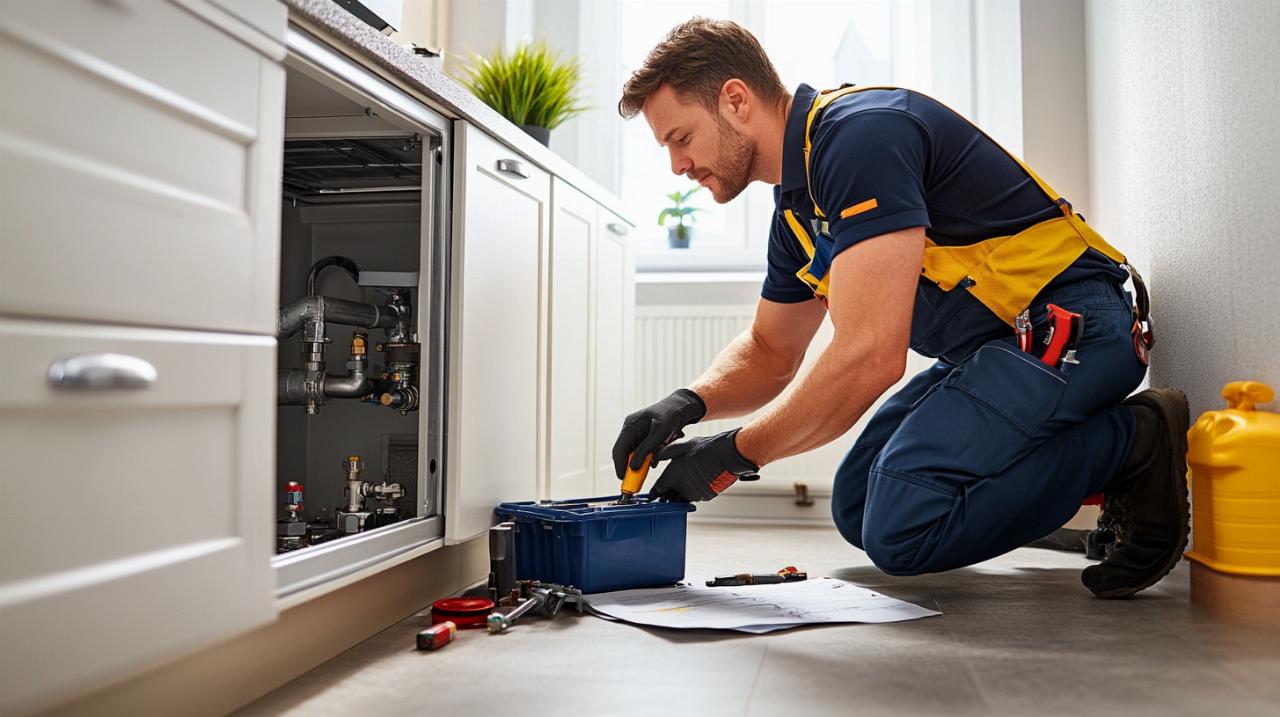
When a plumbing emergency strikes in a rented home, the question of who pays for the plumber's callout can quickly become a source of tension. Landlords and tenants often find themselves unsure of their respective financial obligations, particularly when the issue falls into a grey area. Understanding the nuances of responsibility as set out in law and within the tenancy agreement is essential to prevent disputes and ensure that repairs are handled promptly. A well-drafted agreement provides clarity, defining what qualifies as a landlord's duty and what falls to the tenant, thereby protecting both parties from unexpected costs and misunderstandings.
Understanding landlord responsibilities for plumbing repairs
Structural Issues and Wear and Tear: When the Landlord Must Step In
Under the Landlord and Tenant Act 1985, landlords bear the primary responsibility for maintaining the property's structure and ensuring that essential systems function correctly. This includes the walls, roof, windows, and all components related to water supply, drainage, and sanitation. The law is clear that landlords cannot shift the cost of plumbing and drain maintenance onto tenants, as these elements are fundamental to the habitability of the home. Internal pipework, sewers, drains, guttering, heating, hot water systems, and electrical appliances all fall under the landlord's remit. If a leak develops due to age or wear and tear, or if a drain becomes blocked because of general deterioration, the landlord must arrange and pay for the necessary repairs. This obligation extends to ensuring that the property remains safe and hazard-free throughout the tenancy, which means addressing issues promptly to prevent further damage or health risks.
Landlords must also tackle emergency repairs within a reasonable timeframe, ideally within twenty-four hours when the issue poses a significant hazard. Burst pipes, heating failures, and major leaks all demand urgent attention, and delays can lead to structural damage or health hazards such as damp and mould. Council and housing association landlords are subject to specific time limits for serious cases, and they must provide temporary housing if the property cannot be made safe within the required period. The duty to maintain the property extends beyond mere repairs; landlords must conduct regular safety checks for gas systems, electrical wiring, and smoke alarms to prevent hazards. Annual boiler servicing and thorough plumbing audits before each new tenancy help identify and resolve potential problems early, reducing the likelihood of costly emergency interventions later. By staying proactive, landlords fulfil their legal obligations and protect their investment in the property.
Legal obligations under uk tenancy law for property maintenance
The legislative framework governing property maintenance ensures that tenants live in safe, functional homes. Landlords are required to make basic repairs to the property, particularly concerning drainage and plumbing, and must ensure that the house remains in good working order. This duty applies regardless of whether the tenancy agreement explicitly mentions these responsibilities, as the law imposes a minimum standard that cannot be contracted out of. In flats, the freeholder may be responsible for common areas and the building's exterior, and tenants should inform their landlord of any problems in these spaces so that the appropriate party can address them. Tenancy agreements may grant additional repair rights beyond the statutory minimum, and it is in both parties' interests to review the document carefully to understand the full scope of their obligations.
Landlords must provide at least twenty-four hours' written notice before conducting property inspections, which should occur at a reasonable time. These inspections allow landlords to monitor the condition of the property and identify any emerging maintenance issues. When repairs are needed, they should be carried out within a reasonable timeframe, with the severity of the issue dictating the urgency. Redecoration may follow if the repair work has caused any damage to the property's appearance. Keeping detailed records of all plumbing repairs and maintenance is essential, as this documentation can prove invaluable in the event of a dispute or when assessing the property's history. Ignoring plumbing issues can lead to structural damage and health hazards, making it imperative for landlords to respond swiftly to reports of problems and to engage professional plumbers when necessary.
Determining tenant liability for plumbing problems
Identifying Damage Caused by Tenant Misuse or Negligence
While landlords carry the bulk of responsibility for plumbing repairs, tenants are not entirely absolved of liability. If damage arises from misuse or negligence, the tenant must cover the cost of repairs. Common examples include blocked drains caused by flushing inappropriate items down the toilet or pouring grease down the sink, which accounts for around seventy per cent of blockages. Tenants are expected to use the property in a tenant-like manner, which means taking reasonable care of the home and avoiding actions that could cause damage. If a tenant or their guests cause harm to the plumbing system, the tenant may be charged not only for the direct repair but also for any related damage that results from the incident. Educating tenants about proper drain use and providing clear guidance on what can and cannot be disposed of down sinks and toilets can help prevent these issues from arising in the first place.
Tenants should report plumbing problems to their landlord as soon as possible, as delays can exacerbate the issue and lead to more extensive damage. Prompt reporting allows landlords to address the problem before it escalates, and it also establishes a clear timeline should questions of responsibility arise later. If a tenant fails to report a known issue and the problem worsens, they may be held liable for the additional damage caused by their inaction. Including plumbing-related items in the property inventory at the start of the tenancy provides a baseline for assessing the condition of fixtures and fittings, making it easier to identify any changes or damage that occur during the tenancy. By maintaining open communication and documenting the state of the property, both parties can protect their interests and avoid disputes over who should pay for repairs.
Minor repairs and daily maintenance: the tenant's remit
Tenants are responsible for minor repairs and routine maintenance tasks that do not require professional intervention. Changing light bulbs, replacing fuses, and ensuring adequate ventilation fall under the tenant's purview. These small tasks are part of living in the property and do not constitute the landlord's responsibility unless they relate to a larger issue covered by the landlord's duties. Tenants must also allow access for repairs and inspections, giving the landlord reasonable notice and the opportunity to assess the property's condition. Normal wear and tear, however, remains the landlord's responsibility, and tenants should not be charged for deterioration that occurs naturally over time. Understanding the distinction between wear and tear and damage caused by misuse is crucial for determining liability.
Tenants should also take care to use the property responsibly, maintaining ventilation to prevent issues such as damp and mould, which can arise from inadequate airflow. While landlords must address the causes of damp and mould, tenants can play a role in preventing these problems by following guidance on ventilation and reporting any signs of moisture early. If a tenant installs their own appliances or furniture, they are responsible for maintaining and repairing those items, and any plumbing issues arising from their use may also fall to the tenant. By fulfilling their responsibilities and communicating effectively with the landlord, tenants contribute to the smooth operation of the household and help ensure that the property remains in good condition throughout the tenancy.
What your tenancy agreement should clearly outline
Essential clauses regarding plumbing and maintenance responsibilities
A well-drafted tenancy agreement serves as the cornerstone for a harmonious landlord-tenant relationship, particularly when it comes to plumbing and maintenance responsibilities. The agreement should explicitly state that the landlord is responsible for the property's structure, including the roof, walls, windows, and all systems related to water supply, drainage, sanitation, heating, and hot water. It should also clarify that the landlord will arrange and pay for repairs resulting from age, wear and tear, or faulty installation. By setting out these obligations in clear terms, the agreement reduces the risk of misunderstandings and provides a reference point should a dispute arise. Tenants should be made aware of their duty to report repairs promptly and to allow access for inspections and maintenance work, ensuring that the landlord can fulfil their legal obligations.
The tenancy agreement should also outline the tenant's responsibilities, including minor repairs such as changing light bulbs and fuses, and their liability for damage caused by misuse or negligence. Specific examples, such as responsibility for drain blockages caused by inappropriate disposal of items, can help tenants understand what is expected of them. Including a clause about the landlord's emergency repair procedures, along with contact information for a reliable twenty-four-hour plumber, provides tenants with guidance on how to respond to urgent issues. The agreement might also specify that the landlord will conduct regular maintenance checks, such as annual boiler servicing and plumbing audits, to prevent problems before they occur. These proactive measures demonstrate the landlord's commitment to maintaining the property and can reassure tenants that issues will be addressed swiftly.
Avoiding disputes: transparent communication and documentation
Transparent communication and thorough documentation are essential for avoiding disputes over plumbing repair costs. Both landlords and tenants should maintain detailed records of all maintenance work, including invoices, receipts, and correspondence. Photographs of the property's condition at the start and end of the tenancy, as well as during inspections, provide valuable evidence should questions arise about responsibility for damage. Landlords should provide tenants with written information about how to report repairs and what to expect in terms of response times, ensuring that tenants feel supported and know how to access help when needed. By fostering an open dialogue and encouraging tenants to report issues early, landlords can address problems before they escalate and demonstrate their commitment to maintaining a safe, habitable property.
Educating tenants about proper use of the property's plumbing systems can also prevent many common issues. Landlords might consider providing a simple guide on what can and cannot be disposed of down sinks and toilets, along with tips on maintaining good ventilation to prevent damp. Regular property inspections, conducted with appropriate notice, allow landlords to monitor the condition of the plumbing and other systems, identifying any emerging problems before they become serious. Tenants should feel comfortable raising concerns and asking questions, and landlords should respond promptly and professionally to all enquiries. By working together and adhering to the terms set out in the tenancy agreement, both parties can ensure that plumbing repairs are handled fairly and efficiently, with costs allocated according to the law and the agreement's provisions.