
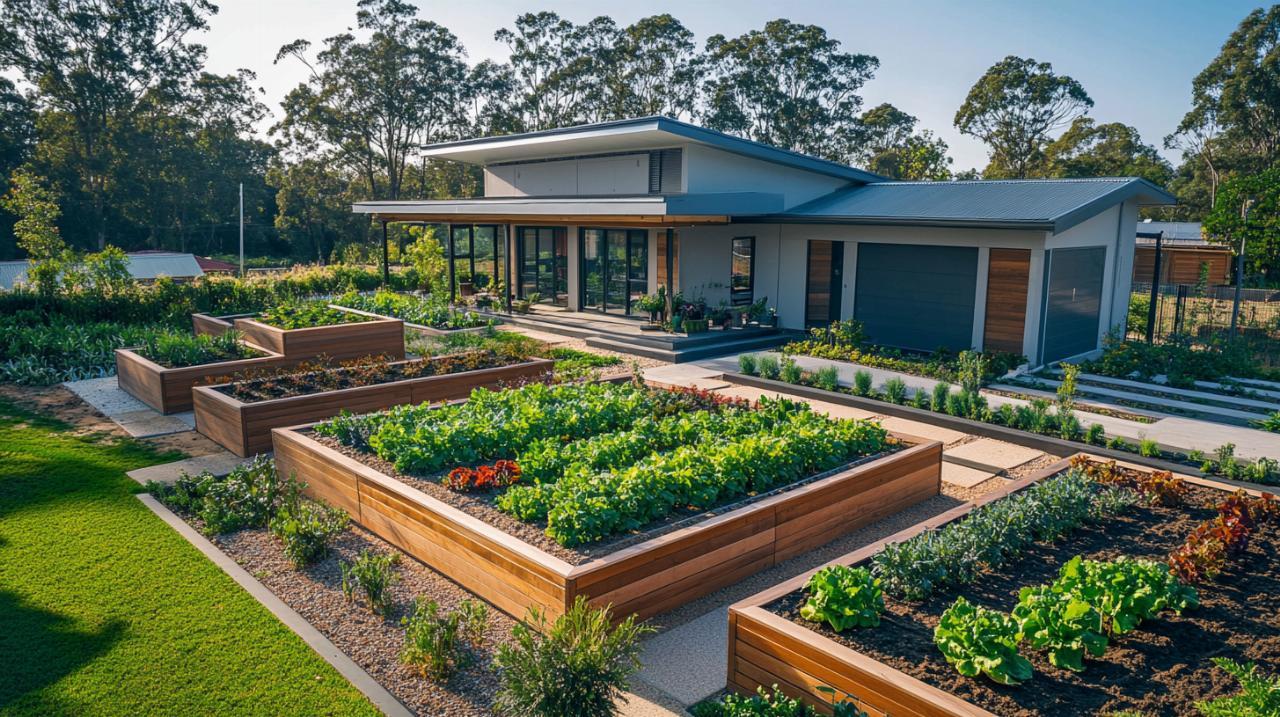
Embarking on the journey of establishing a home with a thriving permaculture garden requires thoughtful consideration of space, resources, and design principles. When planning for a dwelling of 110 square metres, the question of how much land is truly necessary extends far beyond the building footprint itself. A successful permaculture system integrates the home seamlessly with productive growing areas, water management infrastructure, and soil-building zones that work together to create a self-sustaining ecosystem. The goal is not merely to accommodate structures and plants, but to foster a landscape where food production and soil vitality flourish in harmony with minimal external inputs.
Calculating Your Ideal Plot Dimensions for House and Garden Integration
Understanding the 110m2 House Footprint and Surrounding Space Requirements
The actual area occupied by a house of 110 square metres represents only a fraction of the total land needed for a fully functional permaculture homestead. Beyond the building itself, consideration must be given to immediate surroundings such as pathways, drainage areas, and buffer zones that prevent moisture issues and allow for maintenance access. Typically, the immediate curtilage around a dwelling adds another fifty to seventy percent to the built footprint, meaning that the house and its essential surroundings might occupy between 165 and 190 square metres. This allocation ensures that the dwelling sits comfortably within the landscape without encroaching on productive garden space. When applying the Keyline Scale of Permanence, which prioritizes elements from climate and landscape down to soils, the placement of buildings is a mid-tier consideration that must respect the natural topography and water flow patterns already established. Roads and access tracks, which rank higher in permanence than buildings, should be mapped out first to ensure that the house location does not obstruct future movement or water distribution systems. This methodical approach prevents costly redesigns and ensures that the dwelling supports rather than hinders the broader permaculture vision.
Assessing additional area needed for permaculture growing zones
Permaculture design organizes space into zones based on frequency of use and intensity of management, with Zone 1 being the area closest to the home that receives daily attention and Zone 5 representing wild, largely unmanaged land. For a household seeking meaningful food production and soil health improvement, a minimum of 400 to 600 square metres dedicated to active growing areas is advisable, though many practitioners find that allocating up to 1,000 square metres allows for greater diversity and resilience. This expanded area accommodates not only vegetable beds and fruit trees but also essential support systems such as composting zones, water storage facilities, and pathways that facilitate easy movement throughout the garden. The permaculture design process emphasizes observation and holistic thinking, encouraging gardeners to spend time noting how sunlight moves across the land, where water naturally flows, and which microclimates exist within the property. By identifying these factors, you can strategically place intensive growing areas in the most favorable conditions while relegating less demanding plants to areas that require minimal intervention. The overall plot size should therefore range from 600 to 1,200 square metres or more, depending on the level of self-sufficiency desired and the number of people the garden aims to support. This range provides ample room for the house, immediate surroundings, productive zones, and the infrastructure needed to maintain soil fertility and water supply over the long term.
Designing productive growing spaces: raised beds, mounds, and layered planting systems
Optimising Vertical Growing with Mounds and Multi-Layer Planting Techniques
One of the defining characteristics of permaculture gardening is the emphasis on vertical space and stacking functions, which allows a smaller footprint to yield more food with less water compared to traditional gardening methods. Mounds and layered planting systems take advantage of the vertical dimension by creating varied soil depths and microclimates within a compact area. A mound, typically raised thirty to sixty centimeters above the surrounding grade, warms more quickly in spring, drains excess moisture effectively, and provides different planting niches along its slopes. The crest of the mound can host sun-loving, drought-tolerant species, while the lower, shadier sides accommodate plants that prefer cooler, moister conditions. This approach increases biodiversity and resilience, as each plant serves multiple functions within the system. For example, nitrogen-fixing legumes planted on the mound edges improve soil fertility, while deep-rooted herbs break up compacted layers and draw up nutrients from below. Companion planting further enhances this strategy by grouping compatible species that support one another through pest deterrence, pollination, and nutrient sharing. By stacking plants in guilds, where each element contributes to the health and productivity of the whole, the garden becomes a dynamic, interconnected web rather than a collection of isolated beds. This multi-layered design maximizes yield per square metre and reduces the need for external inputs such as synthetic fertilizers and pesticides.
Planning Raised Vegetable Beds for Maximum Yield and Accessibility
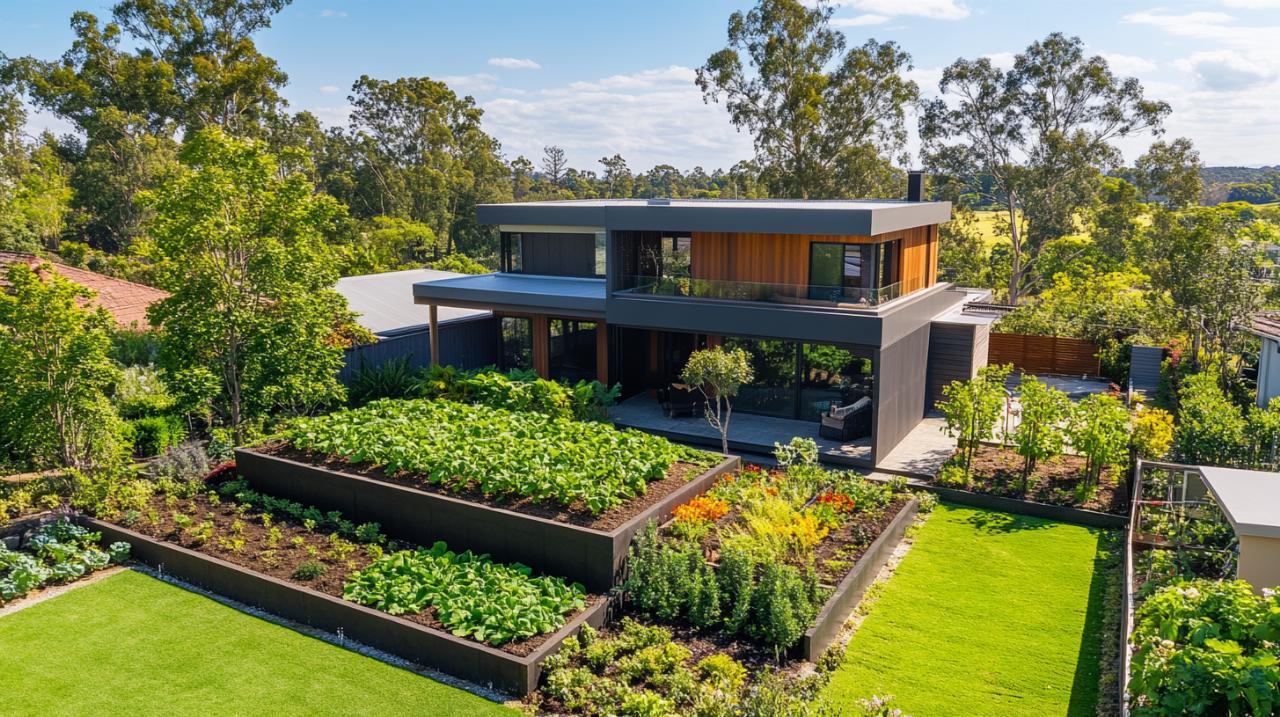
Raised vegetable beds remain a cornerstone of productive permaculture gardens, offering improved drainage, easier management of soil quality, and better accessibility for planting and harvesting. Each bed should ideally measure no more than 1.2 metres in width to allow reach from both sides without compacting the soil, with lengths varying according to available space and garden layout. Beds elevated by twenty to forty centimeters provide excellent root depth for most vegetables and allow for the incorporation of organic matter that steadily decomposes to enrich the soil. The arrangement of these beds should follow principles of accessibility and water flow, with pathways wide enough for wheelbarrows and maintenance tasks while minimizing wasted space. Placing raised beds in Zone 1, closest to the house, ensures that daily harvesting and observation become effortless routines, encouraging consistent care and timely interventions. The design should also consider the movement of sunlight and prevailing winds, orienting beds to maximize light exposure and using taller crops or trellises to shelter more delicate plants. Incorporating mulching practices around and within the beds conserves moisture, suppresses weeds, and adds organic matter as it breaks down, creating a self-renewing system that improves soil health over time. By thoughtfully planning the size, placement, and configuration of raised beds, a permaculture garden can achieve impressive yields even on a relatively modest plot, supporting both the household's nutritional needs and broader ecological goals.
Establishing Soil Health and Water Management Infrastructure for Long-Term Fertility
Creating organic matter cycling systems and composting zones
Soil fertility is the foundation of any successful permaculture garden, and establishing robust organic matter cycling systems is essential for maintaining and improving this vital resource. Dedicating a portion of the plot to composting zones ensures a steady supply of nutrient-rich amendments that feed the soil and support vigorous plant growth. A well-designed composting area of ten to twenty square metres can process kitchen scraps, garden trimmings, and other organic waste, transforming it into humus that enhances soil structure, water retention, and microbial activity. The placement of compost bins or piles should be convenient yet discrete, ideally situated in Zone 2 where they receive regular attention without dominating the aesthetic appeal of the main garden. Techniques such as keyline ploughing, which follows the natural contours of the land to maximize water infiltration and reduce erosion, can be combined with the addition of compost and mulch to rapidly build topsoil depth and fertility. Weeds, often seen as nuisances, can also serve as indicators of soil health, revealing deficiencies or imbalances that guide targeted soil improvement efforts. By observing which weeds colonize different areas, gardeners gain insight into underlying conditions and can tailor their composting and amendment strategies accordingly. This holistic approach to soil management, rooted in the permaculture principles of earth care and working with nature, creates a resilient, self-sustaining system that requires minimal external inputs and supports diverse, productive plantings.
Implementing water harvesting and distribution strategies across your plot
Water supply management ranks at the top of the Keyline Scale of Permanence, underscoring its critical role in permaculture farm development. For a plot supporting a 110 square metre house and productive garden, implementing water harvesting and distribution strategies is non-negotiable for long-term success. Rainwater collection from roofs and paved surfaces can be stored in tanks or ponds, providing a reliable supply during dry periods and reducing dependence on external sources. A well-planned system might include storage capacity of several thousand litres, sized according to rainfall patterns and garden water needs, with distribution networks that deliver water efficiently to all growing zones. Drip irrigation systems offer a water-wise strategy that minimizes waste by delivering moisture directly to plant roots, while mulching around plants further conserves moisture and reduces the frequency of watering. The topography of the land plays a key role in water management, as understanding slopes and drainage patterns allows for the design of swales, berms, and channels that slow, spread, and sink water into the soil rather than allowing it to run off. These earthworks also create diverse microclimates and planting niches, expanding the range of species that can thrive on the property. By prioritizing water infrastructure early in the development process, as recommended by the Keyline Scale, you lay the groundwork for a garden that remains productive and resilient even in challenging conditions. This integrated approach to water management, combined with robust soil health practices, ensures that your permaculture plot can support abundant food production while nurturing the living systems that sustain it.