
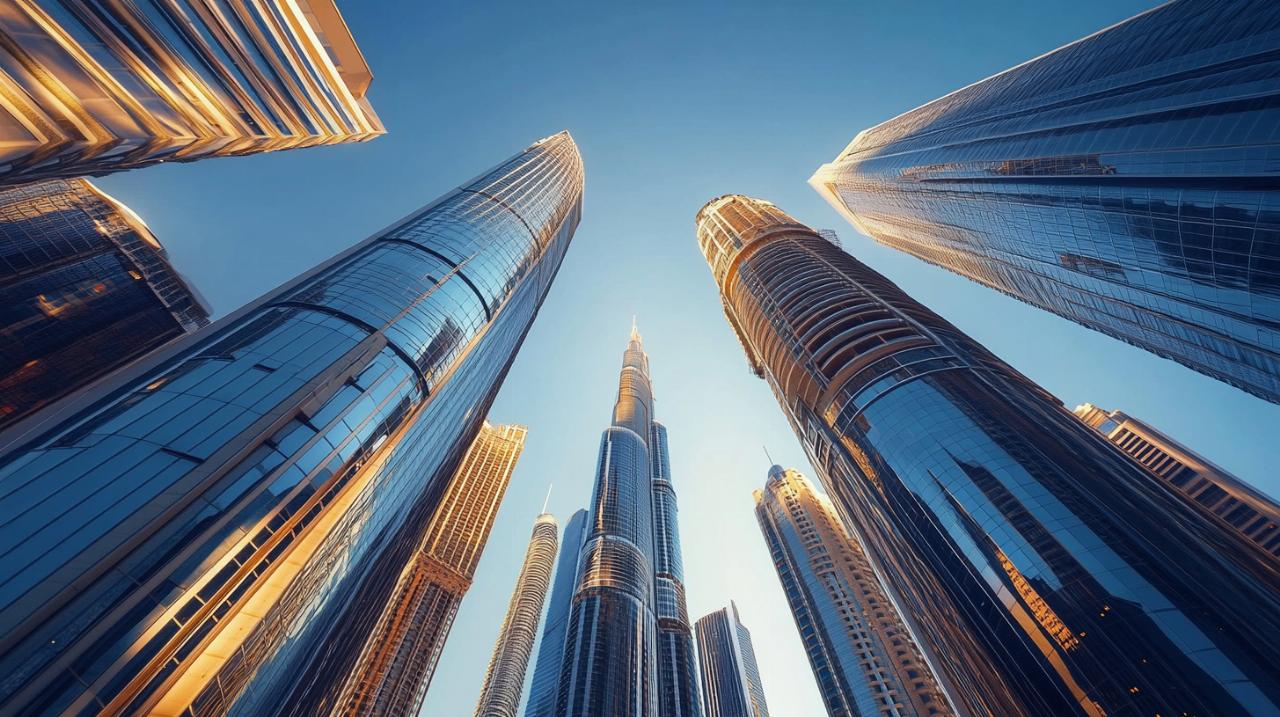
The skyline of any major city tells a story of human ambition, innovation, and the relentless pursuit of reaching new heights. Across continents, towering structures pierce the clouds, captivating the public imagination and drawing millions of visitors each year. These architectural giants are more than mere collections of steel, glass, and concrete; they represent a blend of cutting-edge engineering prowess and profound cultural symbolism. As cities compete to erect ever taller edifices, the question arises: are these skyscrapers celebrated primarily for their technical achievements, or do they serve a deeper purpose as icons of urban identity and resilience?
Architectural ingenuity and engineering excellence
The world's tallest buildings stand as monuments to what humanity can achieve when creativity meets technical precision. These structures push the boundaries of design and construction, often requiring years of meticulous planning and billions of pounds in investment. Each project represents a culmination of knowledge from architects, engineers, and urban planners who work together to solve challenges that range from wind resistance to foundation stability. The resulting edifices are not only functional spaces for commerce, residence, and leisure but also serve as testaments to the capabilities of modern construction techniques and materials.
The burj khalifa: a testament to human ambition
Standing at an awe-inspiring height of 828 metres, the Burj Khalifa in Dubai holds the title of the tallest building in the world. Completed in 2010 after years of intensive labour, this skyscraper cost approximately 1.5 billion dollars to construct. Its sleek, tapering silhouette has become synonymous with Dubai itself, embodying the city's rapid transformation from a modest trading port into a global financial and cultural hub. The design incorporates innovative engineering solutions to withstand the harsh desert climate and powerful winds at extreme altitudes. Inside, the building houses residential units, corporate offices, luxury hotels, and observation decks that offer breathtaking views across the Arabian Gulf. Visitors from around the globe flock to experience the marvel firsthand, making it a cornerstone of Dubai's tourism industry. The Burj Khalifa is more than a record-breaking structure; it is a symbol of ambition and a demonstration of what can be achieved when resources, vision, and expertise converge.
Shanghai tower's revolutionary design and sustainability
In the heart of China's bustling financial district rises the Shanghai Tower, a 632-metre colossus that ranks among the tallest buildings on the planet. Completed in 2015, this remarkable skyscraper features a distinctive twisted form that not only reduces wind loads but also enhances energy efficiency. The building's 128 floors accommodate offices, retail spaces, conference facilities, and a luxury hotel, all wrapped within a double-skin facade that helps regulate temperature and reduce energy consumption. The design reflects a growing emphasis on sustainability within the construction industry, as modern skyscrapers increasingly integrate renewable energy sources and smart technologies. Shanghai Tower's innovative approach to environmental performance has set new benchmarks for urban development, demonstrating that height and sustainability need not be mutually exclusive. Its presence on the skyline is a testament to China's rapid urbanisation and commitment to architectural innovation, reinforcing the nation's status as a leader in both economic growth and technological advancement.
Cultural significance and symbolic landmarks
Beyond their physical dimensions and engineering feats, the tallest skyscrapers carry profound cultural and symbolic weight. They often emerge in response to historical events, economic aspirations, or national pride, becoming landmarks that define the identity of entire cities. These structures serve as focal points for community gatherings, celebrations, and commemorations, embedding themselves in the collective memory of residents and visitors alike. In many cases, a skyscraper's significance transcends its function as a commercial or residential space, evolving into a symbol of resilience, progress, or spiritual importance.
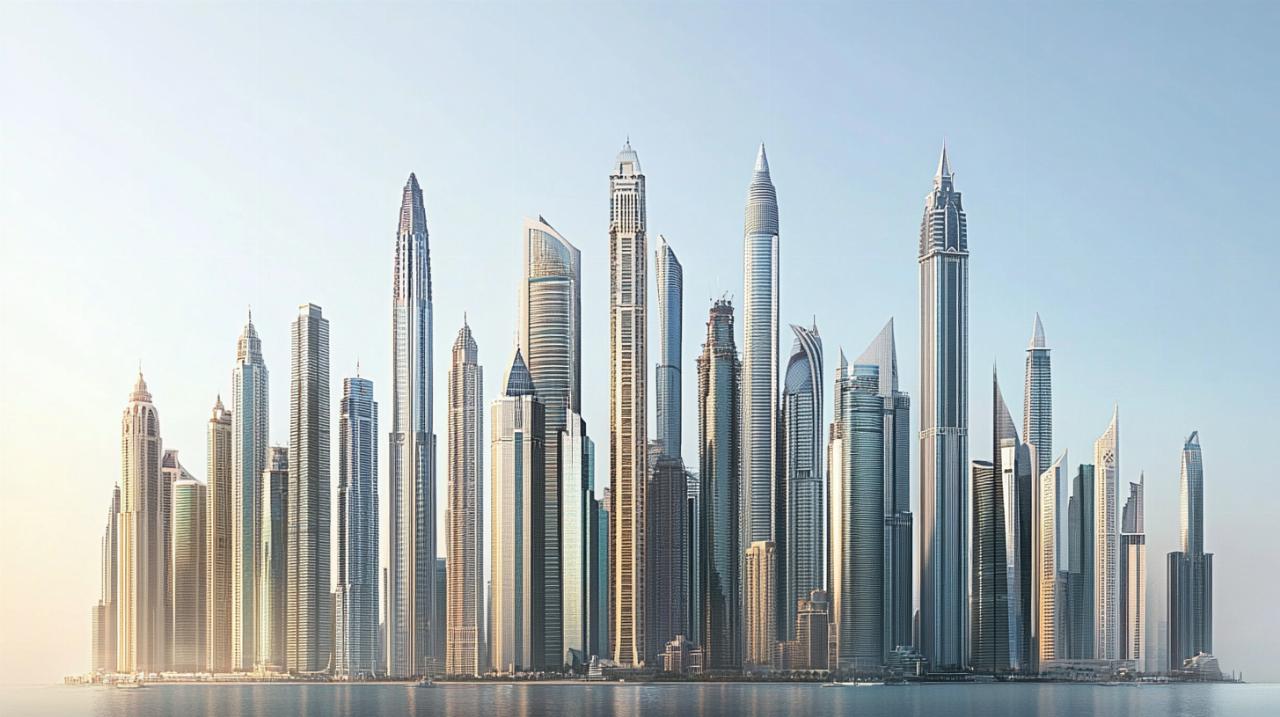
One World Trade Centre: Resilience Embodied in Steel and Glass
Few buildings carry as much emotional resonance as One World Trade Centre in New York City. Rising to a symbolic height of 1,776 feet, the structure stands on the site where the original Twin Towers once dominated the skyline before their tragic destruction on September 11. Completed in 2014, this skyscraper serves as a powerful symbol of resilience and renewal, embodying the determination of a city and nation to rebuild and move forward. Its design incorporates state-of-the-art safety features and sustainable technologies, reflecting lessons learned from the past. The building's presence in the financial district reinforces New York's status as a global centre of commerce, yet its significance extends far beyond economics. For many, One World Trade Centre represents hope, strength, and the enduring spirit of a community that refused to be defined by tragedy. It is a landmark that invites reflection while also looking confidently toward the future.
The abraj al bait clock tower: where tradition meets modernity
In the holy city of Mecca, the Abraj Al Bait Clock Tower rises to a height of 601 metres, making it one of the tallest structures in the world. Completed in 2012 at a cost exceeding 15 billion dollars, this complex blends traditional Islamic architectural elements with cutting-edge engineering. The tower's most recognisable feature is the enormous clock face, visible from great distances, which serves as a focal point for millions of pilgrims who visit Mecca each year. The building houses hotels, residential apartments, and commercial spaces designed to accommodate the influx of visitors during the Hajj pilgrimage. Its location near the Grand Mosque underscores its spiritual significance, while its modern amenities reflect Saudi Arabia's ambitions to enhance infrastructure and hospitality services. The Abraj Al Bait Clock Tower stands as a unique example of how skyscrapers can honour cultural heritage while embracing contemporary design and technology, creating a landmark that resonates on both a local and global scale.
Economic impact and urban transformation
The construction and operation of the world's tallest skyscrapers generate substantial economic benefits, influencing everything from tourism to real estate development. These buildings often serve as anchors for broader urban regeneration projects, attracting investment, creating jobs, and elevating the profile of their host cities. The presence of an iconic skyscraper can stimulate commerce, encourage infrastructure improvements, and foster a sense of civic pride. As cities continue to grow and densify, these towering structures play a crucial role in shaping the economic landscape and facilitating the efficient use of limited urban space.
Lotte World Tower and Seoul's Rise as a Global Hub
Seoul's Lotte World Tower, standing at 555 metres and completed in 2017, exemplifies how a skyscraper can drive economic development and cultural exchange. This multi-use building houses offices, luxury residences, a hotel, and an observation deck that attracts approximately 13 million visitors each year. Its sleek design and strategic location have made it a symbol of South Korea's technological prowess and economic dynamism. The tower has contributed significantly to the local economy, generating employment opportunities and boosting tourism revenue. It has also enhanced Seoul's reputation as a destination for business and leisure, reinforcing the city's status as a major player on the global stage. The success of Lotte World Tower demonstrates how skyscrapers can serve as catalysts for urban transformation, stimulating growth and fostering connections between local communities and international visitors.
Tourism, Commerce, and the Legacy of Iconic Skyscrapers
Across the world, iconic skyscrapers have become magnets for tourists, offering observation decks, fine dining, and immersive experiences that showcase the best of urban life. The economic impact of these attractions extends beyond ticket sales, influencing hotel occupancy rates, restaurant patronage, and retail spending in surrounding neighbourhoods. Cities with renowned skyscrapers benefit from enhanced destination marketing, as these landmarks feature prominently in promotional materials and media coverage. The legacy of such buildings often outlasts their initial construction, as they continue to draw visitors and inspire new generations of architects and engineers. In addition to their direct economic contributions, skyscrapers play a vital role in shaping public perceptions of a city, projecting an image of modernity, innovation, and ambition. As urban populations grow and space becomes increasingly scarce, the importance of these vertical communities is likely to intensify, cementing their place as both economic engines and cultural icons. The ongoing competition to build taller and more sustainable structures reflects a broader trend towards reimagining the urban environment, balancing density with livability and environmental responsibility.