
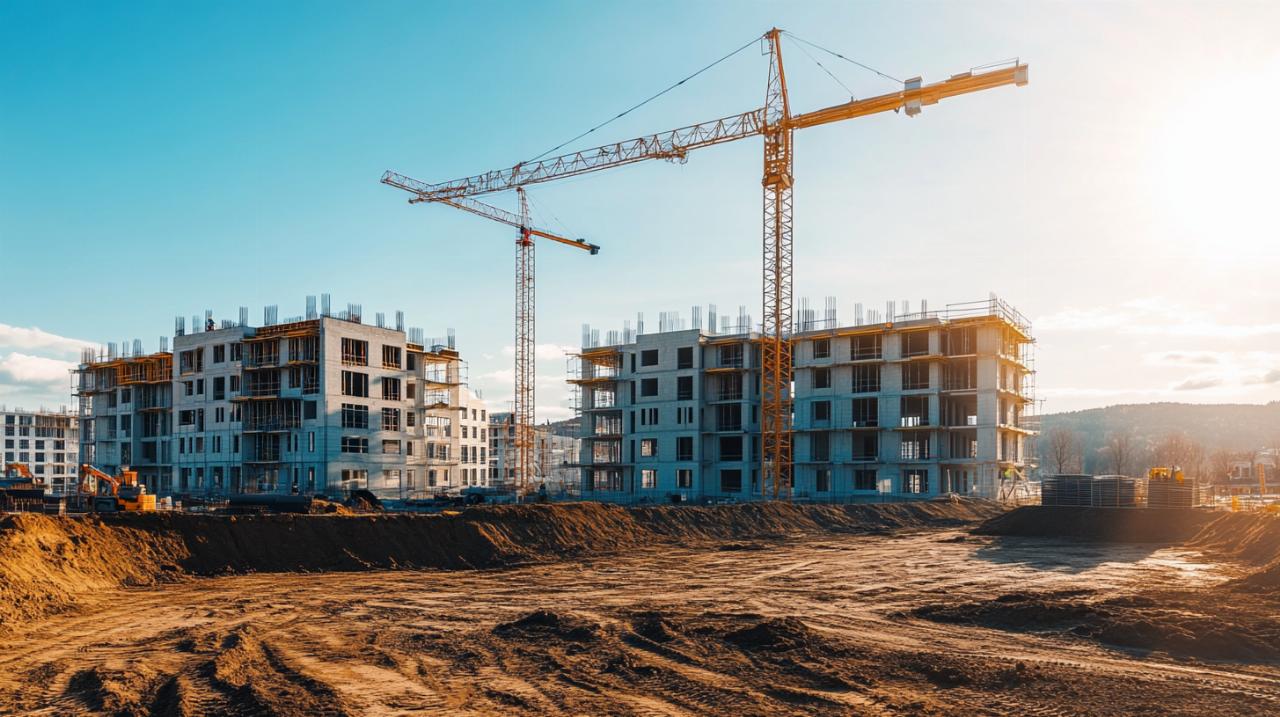
Property development in London has become one of the most compelling avenues for investors seeking substantial returns in a market that continues to demonstrate remarkable resilience. The strategy of building to sell represents a proactive approach to real estate investment, where properties are acquired, enhanced, or constructed from the ground up with the sole intention of realising a profit through a strategic sale. Unlike conventional investment methods that focus on long-term rental income, this approach centres on capitalising on value addition and market timing. For those willing to navigate the complexities of planning permissions, construction management, and market dynamics, the rewards can be considerable. This guide explores the essential elements that make this strategy particularly effective in the capital, from understanding the fundamental differences between development and traditional property investment to mastering the financial intricacies and project management skills required for success.
Understanding the Building to Sell Strategy in London's Property Market
The building to sell approach distinguishes itself from other property investment strategies through its emphasis on creating value rather than simply holding assets. Investors who pursue this route typically acquire properties that require significant refurbishment or identify parcels of land suitable for new construction. The objective is clear: transform the property through strategic improvements and sell it at a price that exceeds the combined total of acquisition costs, construction expenses, professional fees, and financing charges. This method demands a fundamentally different mindset from that required for buy-to-let portfolios, where the focus remains on generating steady rental yields and long-term capital appreciation.
What Makes Building to Sell Different from Traditional Buy-to-Let Investments
Traditional buy-to-let investments centre on acquiring properties that can generate consistent rental income over extended periods. Landlords in this space typically seek properties in established areas with strong tenant demand, focusing on assets that require minimal intervention beyond routine maintenance. The returns come gradually through monthly rent payments, with capital appreciation serving as a secondary benefit that materialises over years or even decades. In contrast, building to sell is an altogether more dynamic proposition. Investors operating within this framework actively create value through construction, renovation, or significant refurbishment. The entire project timeline is compressed, often spanning several months to a couple of years, with the profit realised in a single transaction upon sale. This approach requires substantial upfront capital, comprehensive project management capabilities, and an acute understanding of market trends and buyer preferences. The risks are correspondingly higher, as delays, cost overruns, or market downturns can quickly erode projected margins. However, for those who execute well, the returns can dwarf what might be achieved through conventional buy-to-let strategies over a similar timeframe.
Why London's Property Market is Ideal for Development and Resale Projects
London's property landscape presents unique advantages for development-focused investors. The capital's enduring appeal stems from its status as a global financial centre, its diverse and growing population, and the persistent shortage of quality housing stock. These factors combine to create robust demand across virtually all property segments, from compact flats in emerging neighbourhoods to substantial family homes in established areas. The city's planning framework, whilst often complex and occasionally frustrating, has become increasingly supportive of well-conceived development projects that contribute to the housing supply. Furthermore, London's property market exhibits remarkable liquidity compared to many regional markets, meaning that well-positioned properties can attract buyers relatively quickly when priced appropriately. The diversity of the capital's neighbourhoods also allows developers to identify pockets of emerging value where strategic interventions can yield disproportionate returns. Areas undergoing regeneration or benefiting from improved transport links often present particularly attractive opportunities for building to sell projects, as future demand can be anticipated and factored into development decisions. The market's sophistication means that buyers recognise and reward quality workmanship, thoughtful design, and properties that meet contemporary living standards, creating clear pathways for developers to differentiate their offerings and command premium prices.
Financial Planning and Cost Management for Your Development Project
Success in property development hinges on meticulous financial planning and rigorous cost control throughout the project lifecycle. The difference between a profitable venture and a disappointing outcome often comes down to how accurately initial budgets were prepared and how effectively costs were managed during execution. Developers must account for a complex array of expenses, many of which can be difficult to predict with absolute precision at the outset. Beyond the obvious acquisition and construction costs, there are professional fees, financing charges, insurance premiums, taxation liabilities, and contingencies for unforeseen complications. Each of these elements requires careful consideration during the planning phase, as underestimating any single component can compromise overall profitability.
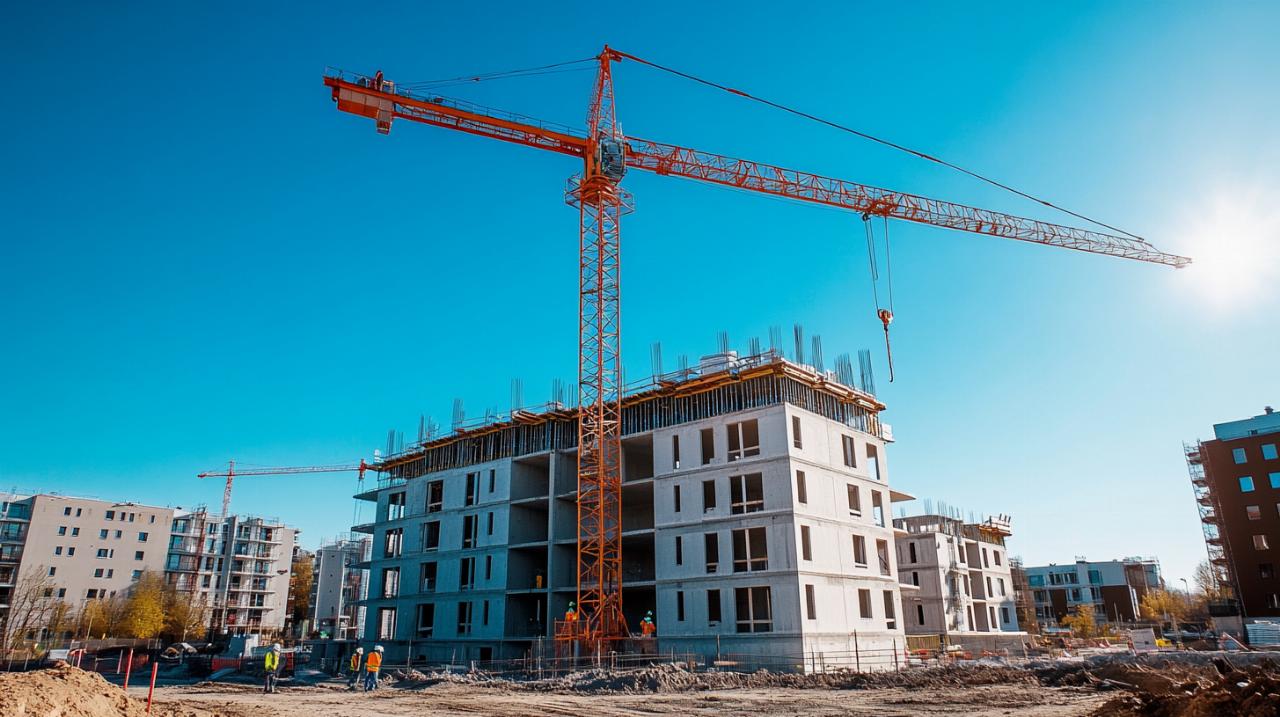
Calculating construction costs, professional fees, and hidden expenses
Construction costs typically represent the largest single expense in any building to sell project. These encompass everything from materials and labour to plant hire and site facilities. Obtaining accurate quotations from reputable contractors is essential, though developers should recognise that initial estimates may evolve as projects progress and complications emerge. Professional fees constitute another significant cost category, covering architects, structural engineers, planning consultants, quantity surveyors, and potentially specialist advisors depending on the project's complexity. These fees can easily account for a substantial portion of the overall budget, particularly for projects requiring extensive design work or navigating challenging planning scenarios. Hidden expenses often catch less experienced developers unawares. These might include costs associated with party wall agreements with neighbouring properties, unexpected ground conditions requiring additional foundation work, utility connections that prove more expensive than anticipated, or delays that extend financing costs and push completion beyond initial projections. Savvy developers build contingency allowances into their budgets, typically ranging from ten to twenty percent of estimated construction costs, to accommodate such eventualities without jeopardising the project's viability. Insurance requirements throughout the development period add further costs, covering everything from site liability to professional indemnity for the various consultants involved.
Structuring your investment: loans, company formation, and tax implications
The financial structure underpinning a development project significantly influences both the risks undertaken and the eventual returns achieved. Many developers utilise development finance, a specialist form of lending designed specifically for property projects. These facilities typically release funds in stages as construction progresses, with lenders conducting inspections before each drawdown to ensure money is being deployed appropriately. Interest rates on development finance tend to be higher than standard mortgage products, reflecting the increased risk lenders assume, and these costs must be factored carefully into project appraisals. Some investors choose to establish limited companies through which to conduct their development activities. This approach offers several potential advantages, including limited liability protection, potential tax efficiencies, and a clearer separation between development activities and personal finances. However, company structures also introduce additional administrative responsibilities and compliance requirements. Tax implications warrant particular attention in any building to sell strategy. Profits from property development are typically subject to corporation tax when conducted through a company structure, or income tax when undertaken personally. The rates and allowances differ substantially between these approaches, making professional tax advice invaluable during the planning stages. Developers must also consider the impact of social security contributions on profits, as development activities may attract National Insurance liabilities in addition to income or corporation tax. Value Added Tax presents another layer of complexity, with different treatments applying to new builds versus refurbishments, and reclaim opportunities varying according to project specifics. Engaging qualified accountants and tax advisors early in the process helps ensure that the chosen structure optimises tax efficiency whilst maintaining compliance with all applicable regulations.
Maximising profit through strategic value addition and market timing
The most successful development projects share a common characteristic: they deliver something the market values highly relative to the costs incurred in creating it. This differential between creation cost and market value represents the developer's profit opportunity. Maximising this differential requires both skilful execution during the development phase and astute judgment regarding market positioning and timing. Understanding which improvements deliver the greatest value uplift, how to manage projects efficiently to control costs and timelines, and when to bring properties to market are all critical determinants of ultimate profitability.
Project management essentials and adding value during refurbishment
Effective project management separates successful developers from those who struggle with cost overruns and delayed completions. The discipline involves coordinating multiple contractors and specialists, ensuring work proceeds in the correct sequence, monitoring quality standards, managing cash flow, and addressing issues promptly as they arise. Developers who maintain close oversight of their projects, whether personally or through appointed project managers, tend to achieve better outcomes than those who adopt a hands-off approach. Communication with all parties proves essential, as does maintaining detailed records of decisions, variations, and costs. During refurbishment work, strategic choices about where to invest resources can dramatically influence the eventual sale price. Kitchen and bathroom improvements typically deliver strong returns, as these spaces feature prominently in buyer decision-making and are expensive for purchasers to renovate after acquisition. Extending properties where planning permissions allow, whether through loft conversions, rear extensions, or basement excavations, often creates value well in excess of the costs involved, particularly in areas where space commands a premium. Cosmetic improvements such as high-quality decorating, modern flooring, and thoughtful lighting design enhance appeal and help properties present optimally to potential buyers. Energy efficiency measures, including improved insulation, efficient heating systems, and double glazing, have become increasingly valued as running costs rise and environmental awareness grows. Developers who anticipate buyer preferences and deliver properties that meet contemporary expectations without over-capitalising position themselves for optimal returns.
Assessing rental potential, market demand, and optimal exit strategies
Whilst the primary objective in building to sell is eventual disposal at a profit, understanding rental potential provides valuable insurance and flexibility. Market conditions can shift during development periods, and having the option to rent temporarily whilst awaiting optimal selling conditions can prevent forced sales in unfavourable markets. Properties designed with strong rental appeal offer this flexibility, ensuring developers can generate income if circumstances require delaying a sale. Assessing market demand requires ongoing attention to local market dynamics, including recent transaction volumes, pricing trends, and the balance between supply and demand in relevant segments. Developers who maintain awareness of these factors can time their market entries more effectively, avoiding periods of oversupply or weakened demand. The optimal exit strategy depends on both market conditions and the developer's specific circumstances. In strong markets with active buyer demand, selling upon completion typically maximises returns by minimising holding costs and freeing capital for subsequent projects. During softer market periods, a brief rental period might allow conditions to improve whilst generating income that offsets financing costs. Some developers adopt a flexible approach, marketing properties for sale but remaining prepared to retain them as rentals if acceptable offers fail to materialise. Understanding buyer profiles for specific property types helps tailor marketing approaches and presentation strategies. First-time buyers prioritise different features than families or downsizers, and developers who position their properties appropriately for their target market tend to achieve quicker sales at better prices. Working with experienced estate agents who understand both the local market and the developer's specific property type provides valuable guidance throughout the sales process, from initial pricing decisions through negotiation and completion.