
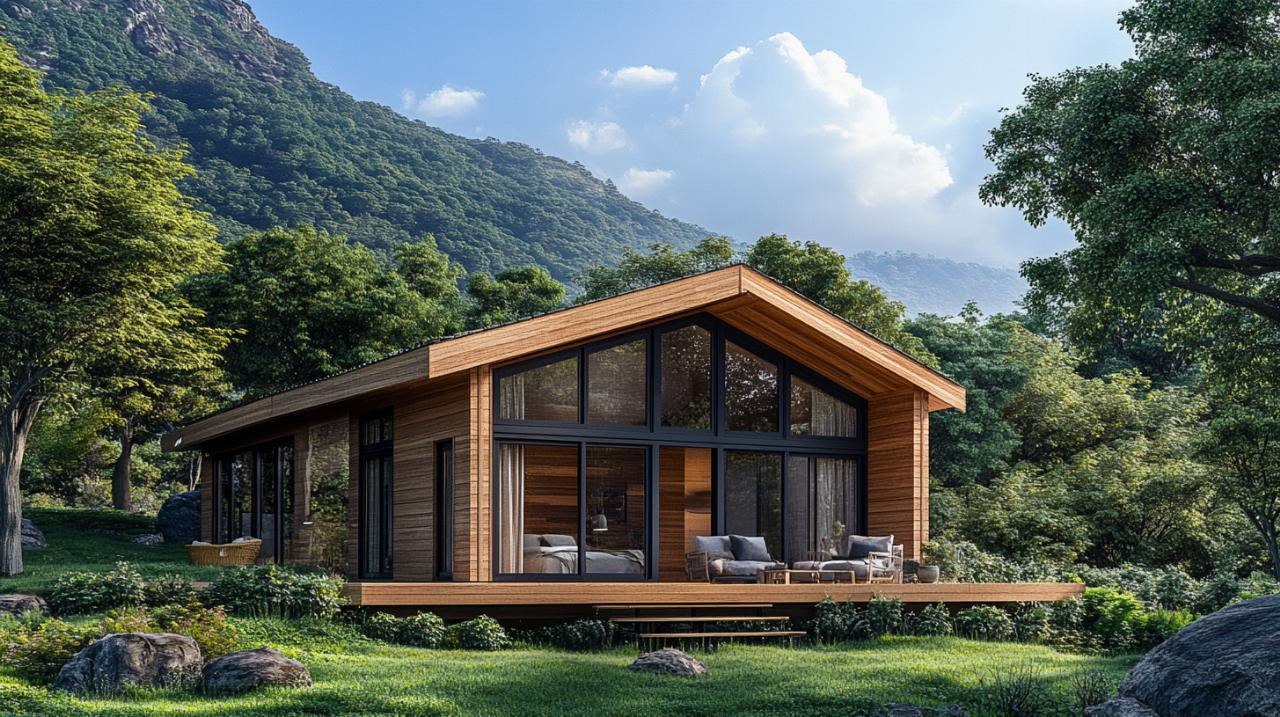
Investing in a pre-fabricated timber dwelling that arrives fully assembled represents a pragmatic approach for those seeking a swift entry into the holiday rental market or a personal retreat. These turnkey solutions eliminate the complexities of traditional construction, offering immediate occupancy and income potential. The appeal lies in the blend of natural materials, contemporary design, and the flexibility to establish your cabin in locations that maximise both lifestyle benefits and financial returns. Whether nestled among ancient oaks or overlooking rugged coastlines, the strategic placement of your investment-grade timber cabin can define its success.
Strategic woodland locations for your pre-fabricated timber dwelling
Woodland settings have long captivated those in search of tranquillity and an escape from urban intensity. For investors, the allure of forest environments extends beyond aesthetics, encompassing practical advantages such as privacy, diverse outdoor activities, and a growing market for eco-conscious travellers. A habitable wooden chalet delivered assembled fits seamlessly into such surroundings, blending with the natural landscape while providing modern comfort. The key is to identify sites that not only satisfy personal preferences but also align with commercial viability.
Identifying prime forest settings with planning permission potential
Securing a woodland plot with the necessary planning consent is a critical first step. Not all forested areas permit residential or holiday accommodation structures, and local authorities impose varying restrictions based on conservation priorities and land designation. Seek out regions where policies favour sustainable tourism or where holiday lodge parks already operate, as these zones often have established frameworks for timber cabins. The Lake District, New Forest, and parts of the Scottish Highlands are renowned for their acceptance of well-designed timber structures, provided they meet environmental standards. Engage with local planning departments early to understand constraints related to tree preservation orders, access routes, and utility connections. A site with existing infrastructure, such as water supply and electricity, reduces initial outlay and accelerates deployment. Additionally, consider proximity to popular attractions or walking trails, as these factors directly influence rental demand and occupancy rates throughout the year.
Maximising rental yields in established holiday woodland retreats
Positioning your cabin within an established holiday park or managed woodland estate offers immediate access to a customer base and shared amenities. Such locations often benefit from professional management services, maintenance support, and marketing channels that individual operators might struggle to replicate. Rental yields in these settings can be robust, particularly when your cabin offers superior insulation standards and year-round comfort, distinguishing it from older units. Focus on estates that attract discerning guests seeking quality interiors, modern bathrooms, and outdoor spaces like terraces for alfresco dining. The integration of features such as underfloor heating, double glazing, and en-suite facilities elevates the guest experience and justifies premium pricing. Furthermore, woodland retreats that cater to families, couples, and pet owners tend to sustain higher occupancy levels, especially during school holidays and long weekends. Aligning your cabin's specifications with the expectations of these demographics ensures consistent income and positive reviews, which are vital for repeat bookings and online visibility.
Coastal placement opportunities for turnkey wooden chalets
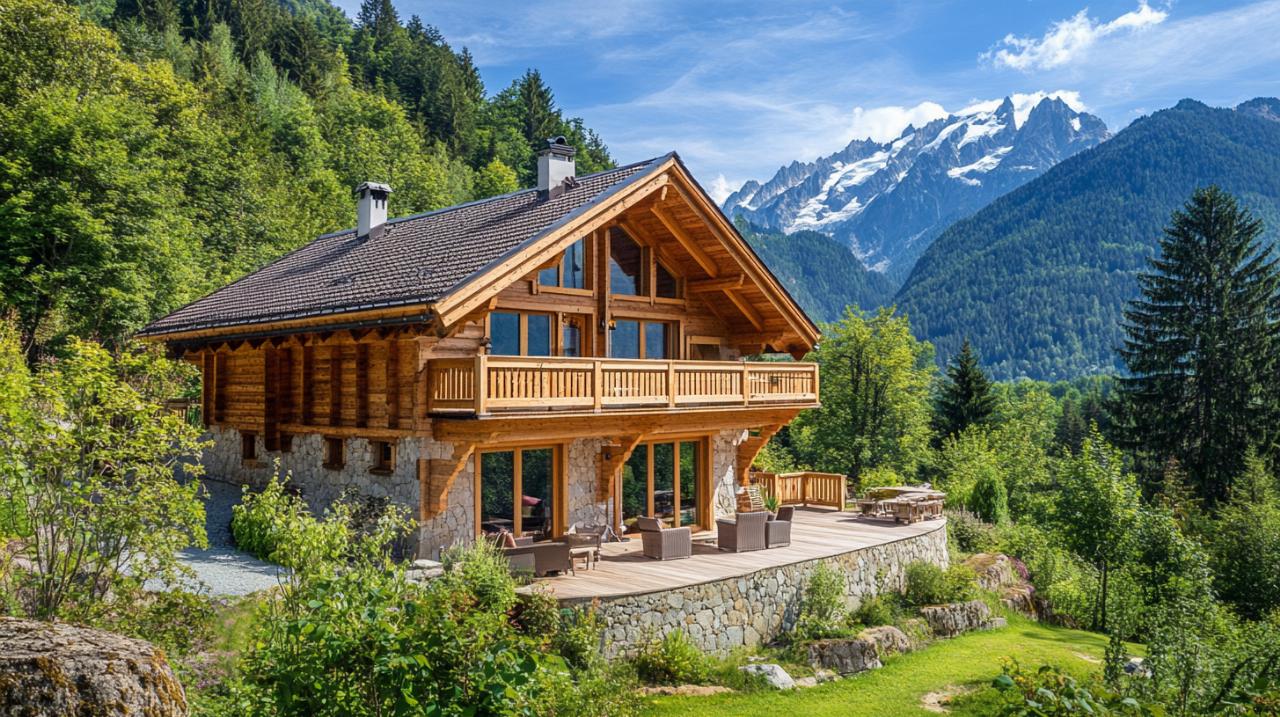
Coastal destinations remain perennial favourites for holidaymakers drawn to the restorative qualities of the sea. From the rugged cliffs of Cornwall to the sandy shores of the Norfolk coast, these locations present exceptional opportunities for investors in pre-fabricated timber dwellings. The demand for seaside accommodation is resilient, supported by domestic tourism trends and the appeal of coastal walks, water sports, and seafood dining. A turnkey wooden chalet can thrive in such environments, provided careful attention is paid to site selection and regulatory compliance.
Selecting seaside sites with high occupancy demand
Identifying coastal sites with proven visitor appeal requires research into local tourism statistics, seasonal patterns, and the competitive landscape. Areas with Blue Flag beaches, designated Areas of Outstanding Natural Beauty, or proximity to heritage sites typically enjoy strong year-round interest. The Jurassic Coast, Pembrokeshire, and the Scottish islands exemplify regions where natural beauty and cultural attractions converge, driving sustained demand. When evaluating a plot, assess its accessibility, parking availability, and views, as these elements significantly influence guest satisfaction and willingness to pay. A cabin offering unobstructed sea vistas or direct beach access commands higher rates and enjoys rapid booking cycles. Additionally, consider the presence of local amenities such as shops, pubs, and activity providers, which enhance the overall guest experience and reduce the need for extensive travel. Collaboration with local tourism boards and participation in regional marketing initiatives can further amplify your cabin's visibility and attract a steady stream of bookings.
Navigating coastal planning regulations and environmental considerations
Coastal zones are subject to stringent planning controls designed to protect fragile ecosystems, manage flood risk, and preserve scenic vistas. Securing permission for a timber chalet in these areas demands thorough preparation and an understanding of environmental impact assessments. Many coastal plots fall within National Parks, Special Areas of Conservation, or Sites of Special Scientific Interest, each imposing specific requirements on building materials, footprints, and construction methods. Engage with planning consultants familiar with coastal regulations to ensure your proposal aligns with local development plans. Emphasise the sustainability credentials of your pre-fabricated cabin, such as responsibly sourced timber, energy-efficient insulation, and minimal site disruption during installation. Authorities often look favourably on designs that incorporate renewable energy systems, rainwater harvesting, and landscaping that supports native flora. Additionally, consider flood zones and coastal erosion patterns, as these factors influence insurance costs and long-term asset viability. Selecting a site with stable ground and above the flood plain mitigates risk and reassures lenders and insurers, facilitating smoother financing arrangements.
Essential Features and Specifications for Investment-Grade Timber Cabins
The quality and specification of your habitable wooden chalet directly impact its marketability and long-term performance. Investors must prioritise features that ensure year-round comfort, low maintenance, and aesthetic appeal. A well-appointed cabin not only attracts premium guests but also retains value and withstands the rigours of frequent occupancy.
Insulation standards, interior layouts, and year-round comfort
Robust insulation is non-negotiable for cabins intended for winter use, particularly in the British climate where damp and cold can challenge lesser structures. Opt for timber cabins with high-grade insulation in walls, floors, and roofs, complemented by double or triple glazing to minimise heat loss. Effective insulation reduces energy bills for both owners and guests, enhancing the cabin's appeal to environmentally conscious travellers. Interior layouts should maximise space efficiency while maintaining a sense of openness. Open-plan living areas that integrate kitchen, dining, and lounge zones create a welcoming atmosphere, while separate bedrooms offer privacy. Consider layouts that accommodate varied group sizes, such as configurations with one or two bedrooms and a sofa bed, allowing flexibility in marketing. Year-round comfort also hinges on heating solutions. Underfloor heating provides even warmth without occupying floor space, while wood-burning stoves add ambiance and serve as a feature in marketing imagery. Ensure ventilation systems prevent condensation and maintain air quality, particularly in tightly insulated cabins. These elements collectively extend the usable season and broaden your target audience to include winter retreats and off-season visitors.
Value-adding additions: terraces, en-suite bathrooms, and modern amenities
Outdoor spaces such as terraces and decking are highly valued by guests, offering areas for relaxation, dining, and wildlife observation. A well-designed terrace with quality furniture and perhaps a hot tub can differentiate your cabin from competitors and justify higher nightly rates. En-suite bathrooms elevate the accommodation from basic to boutique, appealing to couples and discerning guests who prioritise privacy and convenience. Modern amenities including fast broadband, smart TVs, and fully equipped kitchens with appliances such as dishwashers and coffee machines cater to contemporary expectations. Subtle touches like quality bedding, underfloor heating in bathrooms, and mood lighting enhance the guest experience and generate positive reviews. Storage solutions, such as built-in wardrobes and bike racks, add practicality without cluttering interiors. Investing in these refinements not only improves immediate rental performance but also future-proofs your asset, ensuring it remains competitive as guest expectations evolve. Regular maintenance and periodic updates to furnishings and technology maintain the cabin's appeal and protect your investment over the long term.