
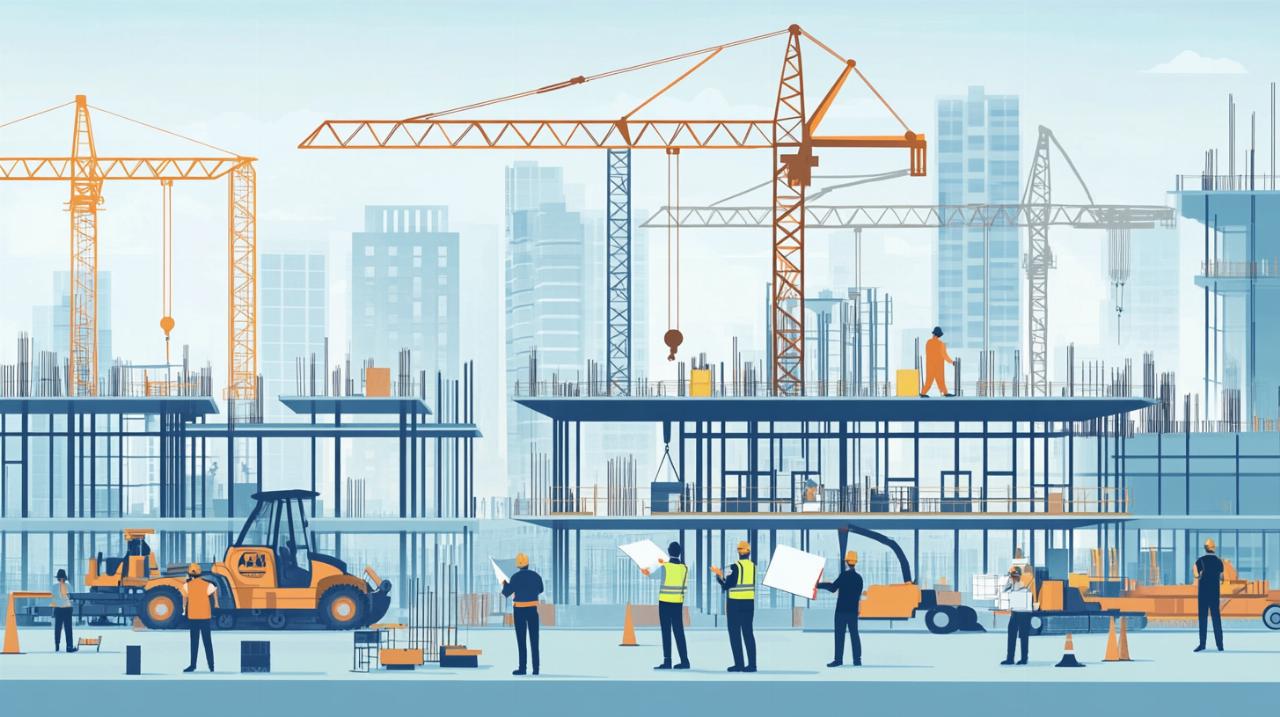
Construction projects are complex endeavours that demand the coordinated efforts of numerous parties, each bringing their own expertise and perspective to the table. From initial design concepts through to the final handover of a completed structure, success hinges on the ability of diverse professionals to work together seamlessly. This collaborative environment involves clients, contractors, architects, engineers, local authorities, and a host of other participants whose contributions ensure that projects are delivered on time, within budget, and to the required standards of quality and safety.
Understanding the Key Players: Identifying Stakeholders in Construction Projects
Primary stakeholders: clients, contractors, and project managers
At the heart of any construction endeavour lie the primary stakeholders, whose roles are pivotal to shaping the direction and execution of the project. The client, often referred to as the owner, initiates the project and provides the vision and funding necessary to bring it to life. It is the client who sets the objectives, approves designs, and ultimately receives the completed facility. Their expectations and requirements guide every decision, making their engagement essential from inception to completion. Alongside the client, contractors take centre stage by transforming plans into physical reality. These professionals manage the construction workforce, coordinate resources, and ensure that work progresses according to agreed schedules. Their expertise in organising labour, materials, and equipment is critical to maintaining momentum and addressing challenges that arise on site. Project managers, meanwhile, serve as the linchpin of the entire operation, overseeing timelines, budgets, and communication channels. They liaise between the client and the contractor, ensuring that all parties remain aligned and that the project adheres to its strategic goals. Together, these primary stakeholders form the core leadership team that drives the project forward, making decisions that influence every aspect of the building process.
Supporting roles: architects, engineers, and local authorities
Beyond the primary stakeholders, a range of supporting professionals contribute their specialised knowledge to ensure that construction projects meet technical, aesthetic, and regulatory standards. Architects and designers are responsible for creating the visual and functional blueprint of a building, balancing creativity with practicality to produce designs that satisfy the client's vision while adhering to building codes and environmental considerations. Their input is crucial during the planning phase, as they translate abstract ideas into detailed drawings and specifications that guide the construction team. Engineers, including structural, mechanical, and electrical specialists, provide the technical foundation that ensures the building is safe, efficient, and sustainable. They perform calculations, recommend materials, and design systems that support the overall integrity of the structure. Local authorities and regulatory bodies also play a vital role by reviewing plans, issuing permits, and conducting inspections to verify compliance with legal and safety standards. Their involvement safeguards public interest and ensures that construction activities do not pose risks to the community or the environment. Financiers and investors, while sometimes less visible on site, are equally important, as they provide the capital necessary to fund the project and expect returns on their investment. The end users, who will ultimately occupy or utilise the completed facility, represent another key group whose needs and preferences must be considered throughout the design and construction phases. Additionally, the local community and various interest groups may influence the project, particularly if it impacts the surrounding area in terms of traffic, noise, or visual appearance. Recognising and engaging with this broad spectrum of stakeholders is essential for fostering collaboration and minimising potential conflicts.
The Critical Functions of Stakeholders Throughout the Building Lifecycle
From Planning to Execution: How Each Party Contributes to Project Success
The journey from concept to completion involves distinct phases, each requiring specific contributions from various stakeholders. During the planning stage, architects and designers work closely with the client to develop a vision that reflects the intended use and aesthetic goals of the project. They produce detailed drawings and models that serve as the foundation for subsequent work. Engineers then analyse these designs, ensuring that structural, mechanical, and electrical systems are feasible and comply with technical standards. This collaborative effort results in a comprehensive set of plans and specifications that guide the construction team. Once approvals are secured from local authorities and permits are issued, contractors and subcontractors mobilise to begin the physical work. The contractor organises labour, procures materials, and schedules tasks to ensure that construction proceeds efficiently. Subcontractors, who specialise in areas such as plumbing, electrical work, and carpentry, execute specific elements of the project under the contractor's supervision. Throughout this phase, project managers monitor progress, manage budgets, and address any issues that arise, maintaining clear communication with all parties. Their role is to ensure that the project remains on track and that deviations are managed proactively. As construction advances, regular site meetings and progress reports facilitate transparency and enable stakeholders to adjust plans in response to emerging challenges. This dynamic interplay between planning and execution underscores the importance of each stakeholder's contribution and highlights the interconnected nature of the construction process.
Ensuring compliance: meeting specifications and safety standards together
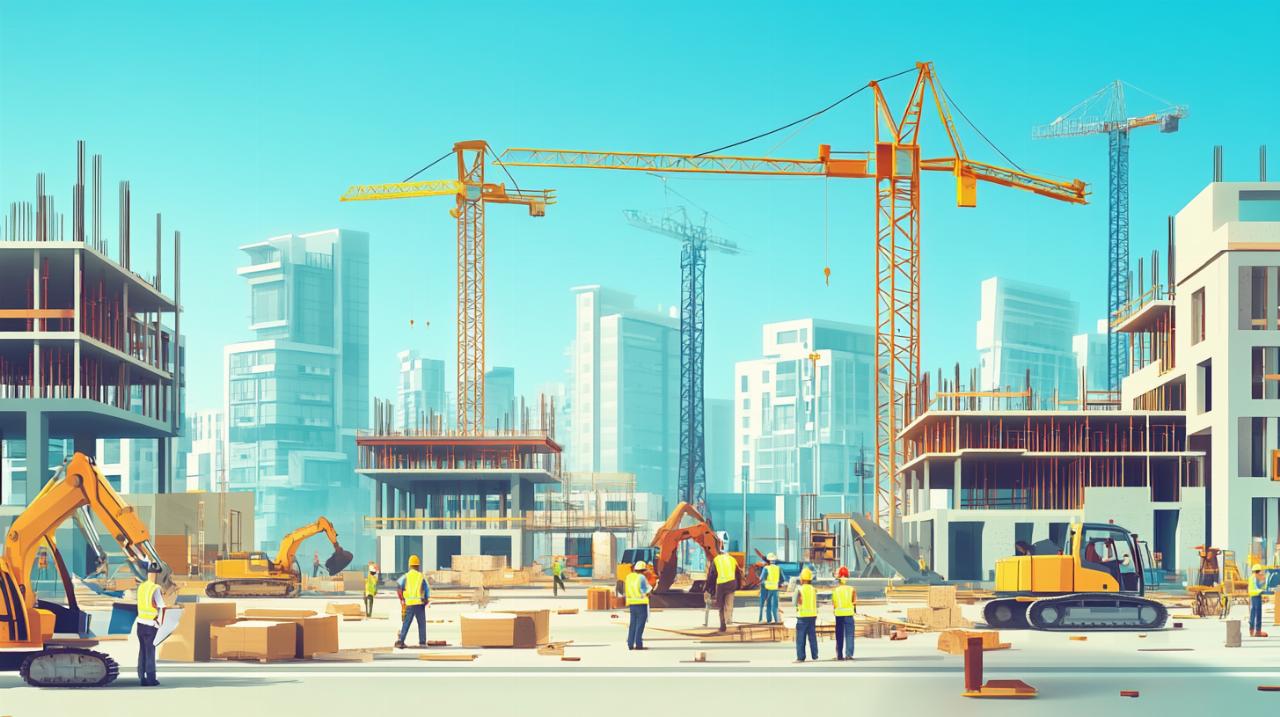
Meeting technical specifications and adhering to safety standards are non-negotiable elements of any construction project, and achieving these objectives requires the collective commitment of all stakeholders. Architects and engineers embed compliance requirements into the design phase, specifying materials, methods, and systems that align with building codes and industry best practices. Contractors and subcontractors then translate these specifications into tangible outcomes on site, ensuring that workmanship meets the required quality standards. Regular inspections by regulatory authorities provide an additional layer of oversight, verifying that construction activities conform to legal requirements and that any deficiencies are promptly rectified. Health and safety considerations are paramount, as construction sites present inherent risks that must be managed diligently. Contractors implement safety protocols, conduct training for workers, and maintain equipment to minimise hazards. Project managers and site supervisors enforce these measures, fostering a culture of safety that permeates every aspect of the project. Clients also play a role in promoting compliance by setting clear expectations and providing the resources necessary to uphold standards. When stakeholders collaborate effectively, they create an environment where compliance is not seen as a bureaucratic burden but as a shared responsibility that protects workers, end users, and the broader community. This collective approach to meeting specifications and safety standards is fundamental to delivering projects that are both successful and sustainable.
Effective Coordination and Communication: The Foundation of Successful Project Delivery
Managing Schedules and Resources: Collaboration Between Contractors and Subcontractors
The relationship between contractors and subcontractors is central to the smooth execution of construction projects. Contractors serve as the primary point of contact for clients and project managers, but they rely on subcontractors to complete specialised tasks that require niche skills and knowledge. This division of labour enables projects to benefit from the expertise of multiple parties while maintaining a cohesive overall strategy. Effective coordination between contractors and subcontractors begins with clear planning and the establishment of realistic schedules that account for the interdependencies between different work packages. When one subcontractor's activities are delayed, it can have a cascading effect on subsequent tasks, making timely communication and proactive problem solving essential. Contractors must allocate resources judiciously, ensuring that subcontractors have access to materials, equipment, and labour when needed. Regular coordination meetings provide a forum for discussing progress, identifying potential bottlenecks, and adjusting plans to accommodate unforeseen circumstances. Modern project management techniques, including Lean construction methodologies such as the Last Planner System and Takt Production System, offer frameworks for enhancing collaboration and improving planning reliability. These approaches emphasise collective commitment, continuous improvement, and the elimination of waste, enabling teams to reduce time and costs while maintaining high standards of quality. By fostering a collaborative mindset and leveraging proven methodologies, contractors and subcontractors can navigate the complexities of construction projects with greater confidence and efficiency.
Safeguarding Health and Safety: The Shared Responsibility of All Stakeholders
Health and safety are not the sole responsibility of any single stakeholder but rather a collective obligation that extends to everyone involved in a construction project. From the outset, clients set the tone by prioritising safety in project briefs and providing adequate budgets for protective measures. Architects and engineers incorporate safety considerations into their designs, specifying materials and construction methods that minimise risks. Contractors and subcontractors are responsible for implementing safety protocols on site, conducting regular training sessions, and ensuring that workers are equipped with appropriate personal protective equipment. Project managers and site supervisors monitor compliance, conduct inspections, and address any lapses promptly. Regulatory authorities reinforce these efforts by conducting independent inspections and enforcing legal requirements. The local community also has a stake in health and safety, particularly if construction activities affect public spaces or residential areas. Transparent communication with the community about safety measures and potential impacts helps build trust and mitigate concerns. When all stakeholders recognise their role in safeguarding health and safety, the construction site becomes a safer and more productive environment. This shared commitment not only protects workers and the public but also enhances the reputation of the project and the organisations involved, contributing to long term success and sustainability. Ultimately, the effective coordination and communication that underpin collaboration between contractors, subcontractors, and all other stakeholders form the foundation of successful project delivery, ensuring that construction projects are completed to the highest standards of quality, safety, and efficiency.