

For those seeking investment opportunities in the Lyon metropolitan area, understanding the nuances of nearby towns such as Vénissieux becomes essential. While Lyon itself remains a vibrant hub with strong rental demand and property value appreciation, not every neighbouring district offers the same promise. Savvy investors recognise that certain areas within Vénissieux present risks associated with obsolete properties, safety concerns, and stagnant market conditions. Identifying which zones to avoid can mean the difference between a profitable venture and a financial misstep. With property investment requiring substantial capital and long-term commitment, due diligence in assessing local dynamics is paramount to safeguarding returns.
Understanding the Risk Zones: Districts in Vénissieux Where Investment May Falter
Vénissieux, positioned just south of Lyon, comprises several distinct neighbourhoods that vary significantly in terms of safety, social cohesion, and economic vitality. Certain districts have developed reputations that deter both prospective residents and investors alike. Recognising these areas helps prevent costly errors in property acquisition and ensures that investment capital is directed towards more stable and promising locations.
The minguettes estate: a cautionary tale for property investors
The Minguettes estate stands as one of the most widely discussed examples of urban challenges within Vénissieux. Historically, this large housing complex gained notoriety during the early 1980s due to social unrest and economic decline. Although efforts have been made over the decades to regenerate the area, the estate continues to grapple with high unemployment rates, social fragmentation, and a reputation that remains difficult to shake. For investors, properties in Minguettes often come with lower purchase prices, which may seem attractive at first glance. However, these bargain prices frequently reflect deeper issues such as difficulty securing reliable tenants, higher vacancy rates, and the risk of property values remaining stagnant or even declining over time. The social environment, characterised by sporadic incidents and limited local amenities, further diminishes the desirability of the district for families and professionals, thereby restricting the pool of potential renters. Obsolete properties within Minguettes often require significant refurbishment to meet modern energy performance standards, adding unexpected costs that erode profit margins. Investors who venture into this estate without thorough research may find themselves entangled in a market that offers limited liquidity and underwhelming returns. Understanding the historical context and current realities of Minguettes is crucial for anyone considering property investment in Vénissieux.
Saint Fons and Adjacent Areas: Evaluating Crime Statistics and Safety Concerns
Saint Fons, although technically a separate commune, is often considered in conjunction with Vénissieux due to its proximity and similar socioeconomic characteristics. This area has experienced challenges related to crime and public safety, which directly impact the attractiveness of property investment. High crime rates, including incidents of theft, vandalism, and occasional disturbances, create an environment of uncertainty for both residents and landlords. Prospective tenants, particularly those with families or stable employment, tend to avoid neighbourhoods with pronounced safety concerns, leading to prolonged vacancy periods and downward pressure on rental prices. For investors, this translates into lower rental yields and increased difficulty in achieving consistent cash flow. Adjacent areas within Vénissieux that share similar profiles also warrant caution. Districts with limited police presence, inadequate street lighting, and a lack of community investment tend to perpetuate cycles of decline. Properties in these zones may appear affordable, but the underlying risks associated with tenant turnover, property damage, and sluggish appreciation rates can quickly outweigh any initial savings. Evaluating crime statistics and engaging with local authorities or community organisations provides a clearer picture of the safety landscape. Investors who prioritise security and neighbourhood stability are better positioned to achieve sustainable returns and avoid the pitfalls associated with high-risk zones.
Quality of Life Indicators: What Makes or Breaks an Investment Area
Beyond safety and crime statistics, the overall quality of life within a neighbourhood profoundly influences property investment outcomes. Factors such as access to green spaces, availability of local amenities, and the general upkeep of public areas contribute to a district's appeal. In Vénissieux, disparities in these quality of life indicators are stark, with some areas offering vibrant community resources while others languish in neglect.
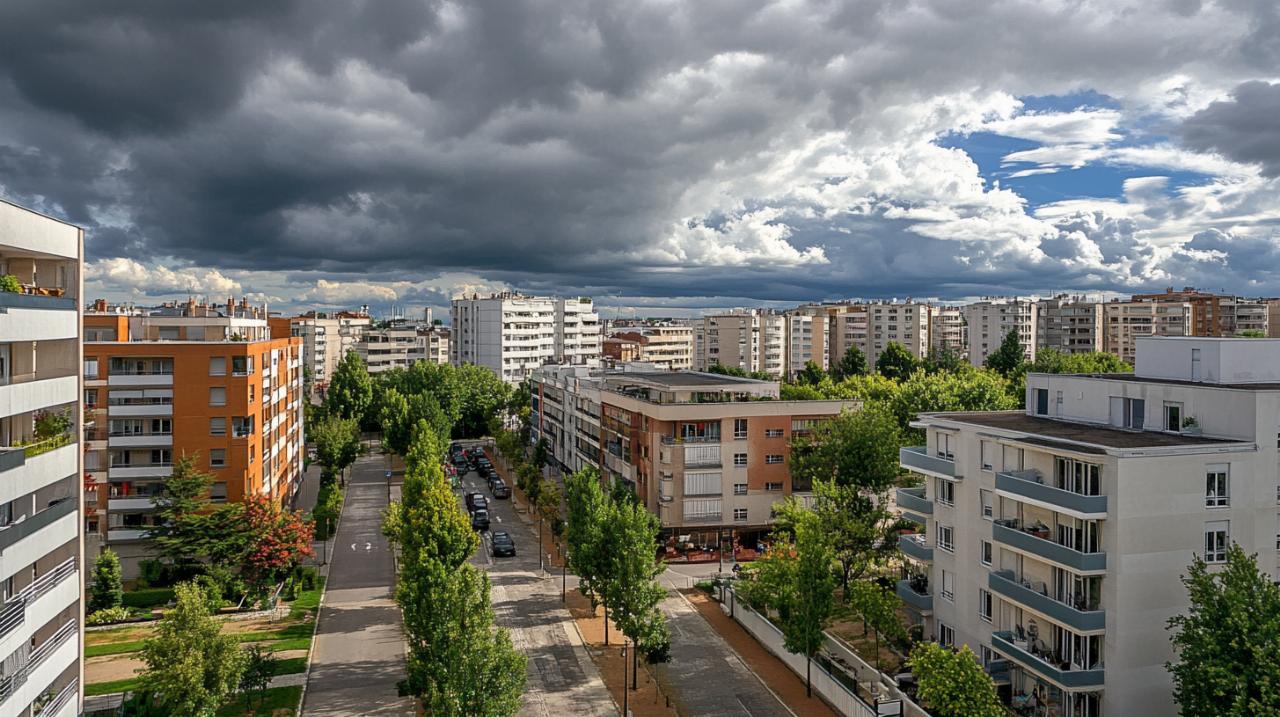
Assessing Green Spaces and Local Amenities in Vénissieux Neighbourhoods
Green spaces, parks, and recreational facilities play a vital role in enhancing the attractiveness of a neighbourhood. Families and professionals often seek areas where they can enjoy outdoor activities, and the presence of well-maintained parks signals investment in community wellbeing. In certain parts of Vénissieux, however, green spaces are either scarce or poorly maintained, contributing to a sense of urban decay. Obsolete properties located in such zones struggle to attract discerning tenants who prioritise lifestyle quality. Local amenities, including shops, schools, healthcare facilities, and public transport links, further define the desirability of an area. Districts that lack convenient access to essential services tend to experience lower demand, resulting in weaker rental markets and sluggish property value growth. Investors should carefully evaluate the availability and quality of amenities within a given neighbourhood before committing capital. Areas with limited infrastructure investment are less likely to benefit from future regeneration efforts, leaving property owners stranded in stagnant markets. Conversely, neighbourhoods with robust amenities and accessible green spaces are more resilient to economic fluctuations and offer better prospects for long-term appreciation.
Property valuation fluctuations: how location dramatically impacts investment returns
Property prices in Vénissieux vary widely depending on the specific district and the condition of the building stock. While Lyon itself has experienced significant property value appreciation, with average prices reaching around four thousand five hundred and seventy-six euros per square metre, certain areas within Vénissieux lag far behind. Obsolete properties in less desirable districts may be available at a fraction of the cost seen in Lyon's prime neighbourhoods, but this discount reflects underlying market realities rather than genuine opportunity. Fluctuations in property values are closely tied to local conditions such as safety, amenities, and the overall trajectory of urban development. Investors who purchase in declining or stagnant areas risk seeing their property values fail to keep pace with inflation or broader market trends. In contrast, selective investment in up-and-coming districts within Vénissieux, where regeneration efforts are underway, can yield attractive returns. Understanding the drivers of property valuation is essential for making informed decisions. Factors such as proximity to transport links, the quality of local schools, and the presence of community investment programmes all influence how a neighbourhood evolves over time. By focusing on areas with positive momentum and avoiding zones characterised by obsolete properties and limited prospects, investors can position themselves for sustainable growth.
Due diligence strategies: protecting your investment in vénissieux
Effective due diligence is the cornerstone of successful property investment, particularly in areas with mixed reputations such as Vénissieux. Investors must go beyond superficial assessments and engage in comprehensive research to uncover the true potential and risks associated with a given neighbourhood. This involves monitoring urban development plans, engaging with local communities, and staying informed about policy changes that could impact the rental market.
Urban regeneration projects: monitoring development plans that could transform districts
Urban regeneration projects have the power to dramatically alter the trajectory of previously neglected districts. In Vénissieux, municipal and regional authorities have initiated various schemes aimed at revitalising certain areas through infrastructure improvements, housing renovations, and community investment. Investors who identify these projects early can capitalise on emerging opportunities before property values rise significantly. However, not all regeneration efforts succeed, and some ambitious plans remain on the drawing board for years without tangible progress. Therefore, it is crucial to assess the credibility and funding status of announced projects. Speaking with local officials, reviewing planning documents, and observing ongoing construction activity provide valuable insights into the likelihood of successful transformation. Areas where regeneration is genuinely underway, with visible improvements in public spaces, transport links, and housing stock, offer promising prospects for investment. Conversely, districts where regeneration remains speculative or stalled should be approached with caution. Obsolete properties in such zones may continue to languish, and investors risk being caught in a holding pattern with limited exit strategies. By monitoring development plans and aligning investment decisions with credible regeneration efforts, investors can enhance their chances of achieving strong returns.
Speaking with Local Residents: Gaining Authentic Insight into Neighbourhood Dynamics
No amount of data can fully replace the insights gained from speaking directly with local residents. Engaging with people who live and work in a neighbourhood provides a nuanced understanding of daily life, community cohesion, and the challenges that may not be immediately apparent from official statistics. Residents can offer candid perspectives on safety, the quality of local services, and the trajectory of the area. This qualitative information is invaluable for assessing whether a neighbourhood is genuinely improving or whether superficial changes mask deeper issues. Visiting properties at different times of the day and week allows investors to observe firsthand the character of the area and the behaviour of its inhabitants. Attending local community meetings or speaking with shopkeepers and service providers also yields useful intelligence. These interactions can reveal whether a district is experiencing gradual revitalisation or whether it remains mired in decline. For investors considering obsolete properties in Vénissieux, such due diligence can be the deciding factor in whether to proceed or to seek opportunities elsewhere. By combining rigorous data analysis with authentic community engagement, investors can make well-informed decisions that protect their capital and maximise returns. Ultimately, understanding the human dimension of a neighbourhood is as important as assessing financial metrics and market trends.